Zinnia Profusion Red
Zinnia hybrida 'Profusion Red'
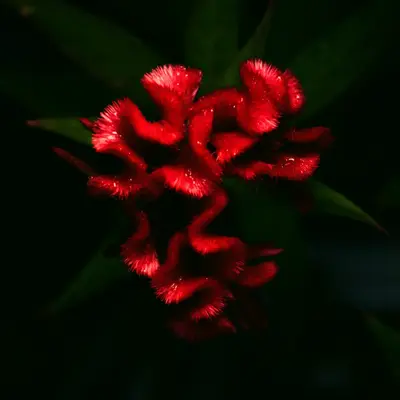
This All-America Selections winner revolutionized zinnias with its exceptional disease resistance and non-stop blooming habit. Compact plants produce hundreds of bright red single flowers that attract butterflies while resisting the powdery mildew that plagues other zinnias. Perfect for borders, containers, and cutting gardens where reliable color and low maintenance are priorities.
Sun
Full sun
Zones
3–10
USDA hardiness
Height
0-4 feet
Planting Timeline
Showing dates for Zinnia Profusion Red in USDA Zone 7
All Zone 7 flower →Zone Map
Click a state to update dates
Zinnia Profusion Red · Zones 3–10
Growing Details
Succession Planting
Zinnia Profusion Red blooms continuously as long as you deadhead spent flowers — it doesn't exhaust itself the way a bolt-prone crop does. That said, a staggered sow extends your season at both ends. In zone 7, start a second batch indoors in late March for transplanting in May, then direct sow a third round in June for late-summer color when your first planting starts looking ragged. Stop direct sowing around mid-June; seedlings that germinate after that won't have enough season before frost to give you a full flush of blooms.
Heat doesn't trigger decline the way it does with cool-season crops — zinnias thrive in it. The real reason to succession sow is appearance: plants started in April will be leggy and tired-looking by August, while a June cohort comes in fresh. Cut the older plants back hard to a lateral bud to squeeze more life out of them while the new batch catches up.
Complete Growing Guide
Light: Full sun (6 or more hours of direct sunlight a day). Soil: Clay, Loam (Silt), Sand. Soil pH: Acid (<6.0), Alkaline (>8.0), Neutral (6.0-8.0). Drainage: Moist, Occasionally Dry. Height: 0 ft. 8 in. - 4 ft. 0 in.. Spread: 0 ft. 6 in. - 1 ft. 6 in.. Spacing: Less than 12 inches, 12 inches-3 feet. Growth rate: Rapid. Maintenance: Low. Propagation: Seed. Regions: Coastal, Mountains, Piedmont.
Harvesting
Peak readiness for Profusion Red zinnias occurs when petals have fully unfurled and display their most vivid crimson hue, typically within two to three days of initial opening. The flower centers should feel firm when gently pinched, indicating maturity without over-ripeness. Unlike single-harvest zinnias, Profusion Red benefits from continuous deadheading or cutting, which actively stimulates more blooms rather than allowing the plant to set seed. For best results, harvest in early morning when stems are fully hydrated, cutting just above a leaf node to encourage branching. Regular removal of spent flowers maintains the plant's prolific blooming cycle throughout the season.
Type: Achene.
Storage & Preservation
Fresh Zinnia Profusion Red cut flowers store best in cool water with floral preservative, lasting 5-7 days at room temperature. Re-cut stems under running water every 2-3 days and change water completely to prevent bacterial buildup.
For dried arrangements, harvest flowers at peak bloom and hang stems upside down in a dark, well-ventilated area. Zinnias dry within 2-3 weeks, retaining good color and form. Alternatively, use silica gel for faster drying while preserving better color intensity. Press individual flowers between weighted paper for craft projects—their single-layer petals press exceptionally well.
Seed saving is not recommended for this hybrid variety, as plants grown from saved seeds won't maintain the parent's disease resistance or compact growth habit.
History & Origin
Origin: Southern North America, South America
Advantages
- +Attracts: Bees, Butterflies, Hummingbirds, Songbirds
- +Fast-growing
- +Low maintenance
Companion Plants
Marigolds and nasturtiums pull their weight here. French marigolds (like 'Petite Yellow') release compounds from their roots that suppress soil nematodes, and nasturtiums double as an aphid trap crop — pests cluster on them instead of spreading across your zinnias, which makes spot-treating much easier. Cosmos are worth planting nearby too: they share similar heat and water tolerances without crowding the root zone, and the mixed planting draws more predatory wasps than a monoblock of either flower alone.
Fennel is the one plant to keep at a distance — it produces anethole, a volatile compound that inhibits growth in many nearby annuals, and zinnias are sensitive enough that you'll notice it in stunted seedlings within a few feet. Black walnut is a harder problem: juglone, the compound in walnut roots and decomposing leaf litter, is phytotoxic to a wide range of plants, and 'Profusion Red' won't reliably establish if it's competing with that chemistry in the soil.
Plant Together
Marigolds
Repel nematodes and aphids while attracting similar beneficial pollinators
Basil
Repels aphids, spider mites, and thrips that commonly attack zinnias
Cosmos
Similar growing conditions and attracts beneficial insects like lacewings
Nasturtiums
Acts as trap crop for aphids and cucumber beetles, drawing pests away from zinnias
Sunflowers
Provide wind protection and attract beneficial predatory insects
Celosia
Similar water and sun requirements, extends bloom season for pollinators
Lavender
Repels spider mites and attracts beneficial pollinators like bees and butterflies
Petunias
Repel aphids, tomato hornworms, and squash bugs while sharing similar care needs
Keep Apart
Black Walnut Trees
Produce juglone toxin that inhibits zinnia growth and can cause wilting
Fennel
Releases allelopathic compounds that stunt growth of nearby flowering plants
Eucalyptus
Produces allelopathic oils that inhibit seed germination and plant growth
Pests & Disease Resistance
Resistance
Excellent powdery mildew resistance, good general disease resistance
Common Pests
Japanese beetles, spider mites, aphids
Diseases
Bacterial wilt, alternaria blight (rare), leaf spot
Troubleshooting Zinnia Profusion Red
What you'll see, why it happens, and what to do about it.
Leaves stippled silver or bronze with fine webbing on the undersides, especially during hot dry stretches
Likely Causes
- Two-spotted spider mite (Tetranychus urticae) — population explosions happen fast when temps exceed 90°F and humidity drops
- Water stress making plants more susceptible
What to Do
- 1.Blast the undersides of leaves hard with water — mites hate that and it knocks populations back immediately
- 2.Apply insecticidal soap or neem oil every 5-7 days until you don't see new stippling
- 3.Keep plants consistently watered; stressed zinnias attract mites faster than healthy ones
Irregular brown or tan spots with darker borders spreading across leaves, sometimes with a papery center
Likely Causes
- Alternaria blight (Alternaria zinniae) — a fungal disease that moves fast in warm, wet weather
- Overhead watering wetting the foliage repeatedly
What to Do
- 1.Remove and trash (don't compost) infected leaves as soon as you spot them
- 2.Switch to drip or base watering — keeping foliage dry slows Alternaria spread considerably
- 3.Give plants more room; 8-10 inches is the minimum, and erring toward 10 inches improves airflow
Ragged holes chewed in petals and leaves, often with shiny metallic beetles visible on the flowers in midsummer
Likely Causes
- Japanese beetles (Popillia japonica) — they zero in on zinnias, especially in July and August
What to Do
- 1.Hand-pick beetles into a bucket of soapy water each morning when they're sluggish — this is the most effective control at small scale
- 2.Avoid Japanese beetle traps near your zinnia patch; research shows they attract more beetles than they catch
- 3.Spinosad spray can reduce feeding damage if hand-picking isn't keeping up
Plants wilt suddenly and completely despite moist soil, with no recovery overnight
Likely Causes
- Bacterial wilt — spread by cucumber beetles (Acalymma vittatum and Diabrotica undecimpunctata) feeding on stems
- Root rot from Pythium or Rhizoctonia if soil drainage is poor and the bed stays waterlogged
What to Do
- 1.Pull and bag the wilted plant immediately — bacterial wilt has no cure and spreads
- 2.Check soil drainage before replanting; if water pools for more than an hour after rain, amend with compost or raise the bed
- 3.Control cucumber beetle populations with row cover early in the season, before plants start blooming and need pollinator access
Frequently Asked Questions
How long does Zinnia Profusion Red take to bloom from seed?▼
Can you grow Zinnia Profusion Red in containers?▼
Is Zinnia Profusion Red good for beginners?▼
When should I plant Zinnia Profusion Red seeds?▼
Do Zinnia Profusion Red plants need deadheading?▼
What's the difference between Zinnia Profusion Red and regular red zinnias?▼
Zone-by-Zone Planting Calendar
| Zone | Indoor Start | Transplant | Direct Sow | Harvest |
|---|---|---|---|---|
| Zone 1 | May – June | July – August | July – September | — |
| Zone 2 | April – May | June – July | June – August | — |
| Zone 11 | January – January | January – February | January – March | — |
| Zone 12 | January – January | January – February | January – March | — |
| Zone 13 | January – January | January – February | January – March | — |
| Zone 3 | April – May | June – July | June – August | — |
| Zone 4 | March – April | June – June | June – July | — |
| Zone 5 | March – April | May – June | May – July | — |
| Zone 6 | March – April | May – June | May – July | — |
| Zone 7 | February – March | April – May | April – June | — |
| Zone 8 | February – March | April – May | April – June | — |
| Zone 9 | January – February | March – April | March – May | — |
| Zone 10 | January – January | February – March | February – April | — |
Growing Guides from Wind River Greens
Sources & References
External authority sources used in compiling this guide.
- ExtensionNC State Extension
See the Methodology page for how this data is sourced, what's AI-assisted, and known limitations.