Vincent®s Choice
Helianthus annuus
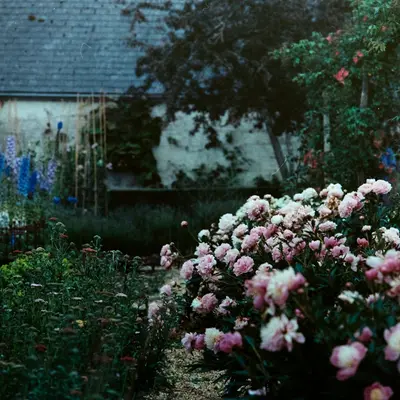
Round overlapping petals form sturdy flower heads that hold up well during transport. Day-length neutral variety, allowing for the season to extend into early spring and late fall. Pollenless. Single stem.
Harvest
50-60d
Days to harvest
Sun
Full sun
Zones
2–11
USDA hardiness
Height
1-10 feet
Planting Timeline
Showing dates for Vincent®s Choice in USDA Zone 7
All Zone 7 flower →Zone Map
Click a state to update dates
Vincent®s Choice · Zones 2–11
Growing Details
Succession Planting
Direct sow every 2-3 weeks from April through June in zone 7, stopping when daytime highs are consistently above 90°F — germination drops off sharply past that threshold and you'll get patchy, uneven stands. Each planting takes 50-60 days to bloom, so four staggered sowings will carry a cut-flower operation well into August. For indoor starts, sow 4-6 weeks before your last frost date and transplant out in April once nights hold above 50°F — sunflowers resent root disturbance, so start them in biodegradable pots you can drop in whole rather than bare-rooting them at transplant time.
Complete Growing Guide
Vincent's Choice sunflowers are best direct sown into the garden after the last frost date, as these plants establish quickly and dislike transplanting. You can sow seeds outdoors approximately two weeks after your region's last spring frost, when soil temperatures reach at least 50°F. For gardeners wanting to extend the season into late fall, the day-length neutral genetics of Vincent's Choice make this variety ideal for succession planting—sow new batches every two weeks through mid-summer to enjoy blooms well into autumn. If you prefer to start indoors, sow seeds 3-4 weeks before your last frost in individual pots, keeping them in a warm location, then harden off seedlings before transplanting outdoors.
Prepare your garden bed with well-draining soil enriched with compost, as sunflowers appreciate fertile ground but struggle in waterlogged conditions. Plant Vincent's Choice seeds one inch deep, spacing them 12-18 inches apart depending on your desired final height—closer spacing produces more compact plants in the 1.5 to 3-foot range, while wider spacing allows them to reach their full 10-foot potential. Single-stem varieties like this one benefit from slightly tighter spacing than branching types since they won't compete for light as intensely.
Water newly sown seeds consistently until germination occurs, then provide approximately one inch of water weekly through the growing season. As Vincent's Choice develops, deep, infrequent watering encourages strong root systems better than frequent shallow watering. Feed with a balanced, all-purpose fertilizer every three weeks once plants reach 12 inches tall, transitioning to lower nitrogen formulas once flowering begins to direct energy toward blooms rather than excessive foliage.
The pollenless characteristic of Vincent's Choice eliminates common issues with pollen-bearing varieties, but watch for downy mildew on leaves during cool, wet springs—this fungal disease can be prevented through proper air circulation and avoiding overhead watering. Sunflower moths occasionally target the developing flower bud, so monitor the center of plants weekly and remove any insects by hand. The sturdy flower heads bred into this variety resist splitting, a common problem in other cultivars, though staking tall specimens in windy locations provides insurance against stem breakage.
Many gardeners mistakenly treat all sunflowers as drought-tolerant plants. While Vincent's Choice survives dry conditions, consistent moisture during the growth phase produces significantly larger, showier blooms—particularly important for a premium variety bred for strong stems and overlapping petals. Under-watered plants produce smaller flowers and may not reach their full height potential. For best results, ensure steady watering from germination through flowering, tapering off only as plants begin senescence.
Harvesting
Vincent®s Choice reaches harvest at 50 - 60 days from sowing per Johnny's Selected Seeds. As an annual, harvest continues until frost ends the season.
Seeds are ovoid and somewhat flattened
Color: Black, Brown/Copper. Type: Achene. Length: < 1 inch. Width: < 1 inch.
Garden value: Edible
Harvest time: Fall
Edibility: Seeds are used for cooking oil, livestock feed, and as a snack food or garnish. Petals are edible and young flower buds can be steamed like artichokes.
Storage & Preservation
Fresh Vincent's Choice flowers last 7-12 days in a vase with proper care. Keep cut flowers in cool conditions (65-70°F ideally) away from direct sun, ripening fruit, and ethylene sources like apples. Change water every 2-3 days and recut stems at a 45-degree angle to maximize water uptake.
For dry preservation, hang bundles upside-down in a warm, dark, well-ventilated space (60-75°F, low humidity) for 2-3 weeks. The pollenless characteristic makes dried Vincent's Choice particularly desirable—no staining or allergen concerns. Once fully dried, store in airtight containers away from light.
Pressing is another excellent option: place individual flowers between absorbent paper under weight for 3-4 weeks, rotating paper every few days. Pressed flowers retain color beautifully and work well for crafts and keepsakes.
For long-term preservation, freeze flowers by first air-drying them completely, then storing in airtight freezer bags at 0°F or below. While frozen flowers lose structural integrity for fresh arrangement, they're excellent for crafting, potpourri, or extraction of color for artistic projects.
History & Origin
Vincent®s Choice is an F1 hybrid developed through controlled cross-pollination. Listed in the Johnny's Selected Seeds catalog.
Origin: Western United States
Advantages
- +Round overlapping petals create visually appealing, structurally sound flower heads
- +Pollenless variety reduces allergen concerns for florists and consumers
- +Day-length neutral trait enables extended harvesting seasons year-round
- +Single stem design simplifies arranging and reduces post-harvest processing time
- +Excellent transport durability means less damage during shipping and handling
Considerations
- -Pollenless characteristic may limit appeal to certain floral design preferences
- -Single stem format reduces versatility compared to multi-stem branching varieties
- -Requires consistent day-length management to fully exploit season-extension benefits
Companion Plants
Marigolds and Nasturtiums pull the most weight here — Marigolds deter aphids and whiteflies through root exudates and foliar compounds, while Nasturtiums draw aphid colonies onto themselves and away from your sunflowers. Sweet Alyssum is worth squeezing in at the edges; its small flowers stay open long enough to feed hoverflies and parasitic wasps through most of the bloom window. Skip Fennel entirely — it releases allelopathic compounds that suppress germination and slow growth in nearby annuals. Black Walnut is a harder problem: its juglone toxin persists in the soil well beyond the drip line and is specifically toxic to Helianthus annuus, not just a general deterrent.
Plant Together
Marigolds
Repel aphids, whiteflies, and nematodes while attracting beneficial insects
Sweet Alyssum
Attracts beneficial insects like lacewings and provides ground cover
Nasturtiums
Act as trap crops for aphids and cucumber beetles
Lavender
Repels moths, fleas, and mosquitoes with its strong fragrance
Petunias
Repel aphids, tomato hornworms, and squash bugs
Cosmos
Attract beneficial pollinators and parasitic wasps
Calendula
Repel aphids and attract beneficial insects like hoverflies
Zinnia
Attract butterflies and beneficial predatory insects
Keep Apart
Black Walnut
Produces juglone which is toxic to many flowering plants
Eucalyptus
Releases allelopathic compounds that inhibit growth of nearby plants
Fennel
Inhibits growth of most garden plants through allelopathy
Pests & Disease Resistance
Common Pests
Spider mites, whitefly
Diseases
Fungal issues if air circulation is poor; susceptible to powdery mildew in humid conditions
Troubleshooting Vincent®s Choice
What you'll see, why it happens, and what to do about it.
Fine webbing on undersides of leaves, foliage looking dusty or stippled — usually in hot, dry spells
Likely Causes
- Two-spotted spider mite (Tetranychus urticae) — thrives when temps climb above 85°F and humidity drops
- Dusty conditions that discourage natural predator mites
What to Do
- 1.Hit the undersides of leaves with a strong spray of water every 2-3 days to knock mites off and raise local humidity
- 2.Apply insecticidal soap or neem oil in the early morning — avoid midday application, which causes leaf scorch
- 3.Interplant Sweet Alyssum nearby to attract hoverflies and predatory insects that keep mite populations in check
White powdery coating on upper leaf surfaces, often spreading from older leaves inward, typically late summer
Likely Causes
- Powdery mildew (Golovinomyces cichoracearum) — a fungal pathogen that spreads by airborne spores and gets worse in humid, still air
- Crowded planting under 12 inches apart that cuts off airflow
What to Do
- 1.Space plants at least 12-18 inches apart and avoid siting them along walls or fences that block air movement
- 2.Remove and bag (don't compost) affected leaves as soon as you spot them
- 3.Spray foliage with a dilute potassium bicarbonate solution or neem oil mix every 7 days until symptoms stop spreading
Small white insects clouding up when you brush the foliage, with sticky residue accumulating on lower leaves
Likely Causes
- Silverleaf whitefly (Bemisia argentifolii) or greenhouse whitefly (Trialeurodes vaporariorum) — both feed on phloem sap and excrete honeydew
- Dense plantings that let colonies move easily from plant to plant
What to Do
- 1.Set out yellow sticky traps at canopy height to monitor and knock back adult populations
- 2.Apply insecticidal soap directly to leaf undersides where nymphs feed — repeat every 5-7 days for at least 3 applications
- 3.Interplant Marigolds or Nasturtiums between rows; the mixed scent profile disrupts whitefly host-finding
Frequently Asked Questions
How long does Vincent's Choice take from seed to harvest?▼
Is Vincent's Choice good for beginners?▼
Can you grow Vincent's Choice in containers or pots?▼
When should I plant Vincent's Choice?▼
Why is Vincent's Choice pollenless, and what does that mean for me?▼
What's the difference between Vincent's Choice and other hybrid cut flowers?▼
Zone-by-Zone Planting Calendar
| Zone | Indoor Start | Transplant | Direct Sow | Harvest |
|---|---|---|---|---|
| Zone 1 | May – June | July – August | July – September | — |
| Zone 2 | April – May | June – July | June – August | — |
| Zone 11 | January – January | January – February | January – March | — |
| Zone 12 | January – January | January – February | January – March | — |
| Zone 13 | January – January | January – February | January – March | — |
| Zone 3 | April – May | June – July | June – August | — |
| Zone 4 | March – April | June – June | June – July | — |
| Zone 5 | March – April | May – June | May – July | — |
| Zone 6 | March – April | May – June | May – July | — |
| Zone 7 | February – March | April – May | April – June | — |
| Zone 8 | February – March | April – May | April – June | — |
| Zone 9 | January – February | March – April | March – May | — |
| Zone 10 | January – January | February – March | February – April | — |
Growing Guides from Wind River Greens
Sources & References
External authority sources used in compiling this guide.
- BreederJohnny's Selected Seeds
See the Methodology page for how this data is sourced, what's AI-assisted, and known limitations.