Sunrich Orange DMR
Helianthus annuus
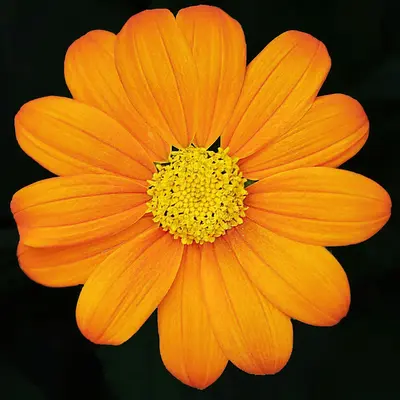
Wikimedia Commons via Common sunflower
4-6" pollenless blooms ideal for cut-flower production. Great for succession planting with the ProCut® series. Flower appearance and quality are nearly identical to Sunrich Orange, which it replaces. Pollenless. Single stem. NOTE: Downy mildew in sunflowers persists in infected soils and is especially problematic in cool, wet soils. Symptoms include damping-off, stunted plants, yellowing leaves, and the presence of downy, white mildew on the undersides of the leaves.
Harvest
60-70d
Days to harvest
Sun
Full sun
Zones
2–11
USDA hardiness
Height
1-10 feet
Planting Timeline
Showing dates for Sunrich Orange DMR in USDA Zone 7
All Zone 7 flower →Zone Map
Click a state to update dates
Sunrich Orange DMR · Zones 2–11
Growing Details
Succession Planting
Direct sow every 14 days from April 1 through mid-June in zone 7. Sunrich Orange runs 60–70 days to harvest, so a June 15 sowing should finish before hard frost arrives around mid-October. Stop succession plantings when daytime highs are consistently above 90°F — germination turns unreliable and plants tend to rush straight to a small, weak-stemmed head rather than the sturdy 18–24 inch stem cut-flower buyers expect.
If you're growing for a CSA or farmers market, stagger at least 3 sowings to avoid a single glut. A mid-April direct sow, a May 1 sow, and a May 15 sow will spread harvest across 3–4 weeks — far easier to move 60 stems three times than 200 stems all at once.
Complete Growing Guide
Sunrich Orange DMR sunflowers are straightforward to grow and ideal for cut-flower production when you follow a few key guidelines. You can start seeds indoors about three to four weeks before your last spring frost date, sowing them in individual pots to minimize root disturbance at transplanting. Alternatively, direct sowing outdoors after the last frost date works equally well and is often preferred since sunflowers don't transplant as vigorously as some plants. Plant seeds about one inch deep in prepared soil, spacing them 12 to 18 inches apart depending on your desired final height and whether you're growing single stems for cutting.
Sunrich Orange DMR performs best in full sun with well-draining soil rich in organic matter. Before planting, work compost or aged manure into your beds to improve soil structure and fertility. These sunflowers appreciate consistent moisture during establishment and early growth, so water deeply one to two times weekly depending on rainfall and heat. Once plants reach approximately 12 inches tall, they become more drought-tolerant, though continued regular watering encourages larger blooms. Feed with a balanced fertilizer every two to three weeks, or use a slow-release formula at planting time. Transition to a lower-nitrogen, phosphorus-rich fertilizer once buds form to encourage flowering rather than excessive leaf growth.
The critical pest and disease concern specific to Sunrich Orange DMR is downy mildew resistance, which is precisely why this variety carries the "DMR" designation in its name. This fungal disease thrives in cool, wet conditions and persists in infected soil from year to year. Symptoms include damping-off in seedlings, stunted growth, yellowing leaves, and a distinctive downy white coating on leaf undersides. To prevent problems, avoid overhead watering, ensure excellent soil drainage, and never plant in areas where downy mildew appeared the previous season. Space plants adequately for air circulation, and remove any affected foliage promptly.
Succession planting is one of Sunrich Orange DMR's greatest strengths for cut-flower growers. Sow seeds every two to three weeks from late spring through mid-summer to ensure a continuous harvest of 4 to 6-inch blooms rather than one overwhelming flush. The variety reaches maturity in approximately 60 days, making multiple plantings highly practical.
One mistake many gardeners make with Sunrich Orange DMR is failing to account for its variable height range of 1.5 to 10 feet. The final height depends heavily on growing conditions—plants grown in cooler weather, with less light, or in nitrogen-rich soil tend toward the taller end. For consistent cut-flower sizing, provide full sun and moderate fertility. Pinch the growing tip when plants are 12 to 18 inches tall to encourage branching and more stems, further maximizing your harvest from each plant.
Harvesting
Sunrich Orange DMR reaches harvest at 60 - 70 days from sowing per Johnny's Selected Seeds. Expect 4-6" at peak. As an annual, harvest continues until frost ends the season.
Seeds are ovoid and somewhat flattened
Color: Black, Brown/Copper. Type: Achene. Length: < 1 inch. Width: < 1 inch.
Garden value: Edible
Harvest time: Fall
Edibility: Seeds are used for cooking oil, livestock feed, and as a snack food or garnish. Petals are edible and young flower buds can be steamed like artichokes.
Storage & Preservation
For cut flowers, immediately place stems in cool water (65-72°F) indoors away from direct sunlight and ethylene sources. Change water every 2-3 days and re-cut stems at an angle. Sunflowers typically last 5-12 days as cut flowers. Preservation methods: (1) Flower food packets formulated for sunflowers extend vase life by providing nutrients and antimicrobial compounds. (2) Glycerin conditioning involves splitting stems and absorbing a glycerin solution to hydrate petals. (3) Air-drying by hanging bundles upside-down in a warm, dark, well-ventilated space preserves blooms for dried arrangements lasting weeks to months.
History & Origin
Sunrich Orange DMR is an F1 hybrid developed through controlled cross-pollination. Listed in the Johnny's Selected Seeds catalog.
Origin: Western United States
Advantages
- +Pollenless blooms reduce allergens and extend vase life significantly
- +4-6" flowers ideal for professional cut-flower production and markets
- +60-70 day maturity enables quick succession planting throughout season
- +Easy cultivation makes it suitable for both commercial and home growers
- +Nearly identical appearance to original Sunrich Orange with improved traits
Considerations
- -Downy mildew susceptibility requires well-draining soil and careful moisture management
- -Cool, wet soil conditions dramatically increase disease pressure and plant loss
- -Infected soils persist with downy mildew spores season after season
Companion Plants
Marigolds — French types especially, like 'Petite Gold' — repel aphids through scent and pull in predatory wasps that knock back soft-bodied pest populations before they get a foothold. Nasturtiums do different work: they act as a trap crop, drawing aphids off the sunflowers onto themselves so you can pinch and discard the infested growth. Bush beans fix nitrogen at the root zone without crowding Sunrich Orange's vertical space, and in our zone 7 Georgia garden, tucking lettuce on the north side of a sunflower row buys it 2–3 extra weeks before heat forces it to bolt. Keep potatoes out of the picture — they share rust and several mildew pathogens with sunflowers, and putting them together just concentrates the inoculum load in one spot.
Plant Together
Marigolds
Repel aphids, whiteflies, and nematodes while attracting beneficial insects
Nasturtiums
Act as trap crops for aphids and cucumber beetles, protecting sunflowers
Zinnias
Attract pollinators and beneficial predatory insects like ladybugs
Cosmos
Attract beneficial insects and provide habitat for natural pest predators
Bush Beans
Fix nitrogen in soil and utilize space efficiently around sunflower base
Lettuce
Benefits from sunflower's shade during hot weather and utilizes different soil depths
Cucumber
Can climb sunflower stalks for support and benefits from partial shade
Corn
Similar growing requirements and can provide mutual wind protection
Keep Apart
Black Walnut Trees
Release juglone toxin that inhibits sunflower growth and development
Potatoes
Compete heavily for nutrients and may increase risk of shared fungal diseases
Pole Beans
Too heavy for sunflower stalks to support and can cause structural damage
Pests & Disease Resistance
Common Pests
Aphids, beetles, seed maggots
Diseases
Downy mildew, powdery mildew, rust
Troubleshooting Sunrich Orange DMR
What you'll see, why it happens, and what to do about it.
Leaves covered in white powdery coating, starting on upper leaf surfaces, usually mid-season when nights cool slightly
Likely Causes
- Powdery mildew (Erysiphe cichoracearum) — spores spread by wind, thrives when humidity is high but leaves stay dry
- Crowded spacing below 12 inches that traps still air around foliage
What to Do
- 1.Remove the worst-affected leaves and dispose of them in the trash, not the compost pile
- 2.Spray with a diluted baking soda solution (1 tablespoon per gallon of water) or a neem oil product every 7 days — coat both leaf surfaces
- 3.Next planting, hold spacing to at least 12 inches and don't overhead-water in the evening
Seeds germinate sporadically then collapse before true leaves form, or seedlings show chewed, sunken stems right at the soil line
Likely Causes
- Seed maggots (Delia platura) — larvae feed on germinating seeds and young roots in cool, wet, freshly worked soil
- Soil kept too wet before seedlings establish
What to Do
- 1.Direct sow only after soil has warmed to at least 60°F — maggot pressure drops sharply above that threshold
- 2.Avoid incorporating large amounts of fresh organic matter right before sowing, which draws adult flies in to lay eggs
- 3.If losses are heavy, delay re-sowing 10–14 days and let the bed surface dry out between waterings
Frequently Asked Questions
How long do Sunrich Orange DMR sunflowers last as cut flowers?▼
Is Sunrich Orange DMR good for beginners?▼
Can you grow Sunrich Orange DMR sunflowers in containers?▼
When should I plant Sunrich Orange DMR sunflowers?▼
What is downy mildew and how do I prevent it in Sunrich Orange DMR?▼
Why are Sunrich Orange DMR sunflowers pollenless?▼
Zone-by-Zone Planting Calendar
| Zone | Indoor Start | Transplant | Direct Sow | Harvest |
|---|---|---|---|---|
| Zone 1 | May – June | July – August | July – September | — |
| Zone 2 | April – May | June – July | June – August | — |
| Zone 11 | January – January | January – February | January – March | — |
| Zone 12 | January – January | January – February | January – March | — |
| Zone 13 | January – January | January – February | January – March | — |
| Zone 3 | April – May | June – July | June – August | — |
| Zone 4 | March – April | June – June | June – July | — |
| Zone 5 | March – April | May – June | May – July | — |
| Zone 6 | March – April | May – June | May – July | — |
| Zone 7 | February – March | April – May | April – June | — |
| Zone 8 | February – March | April – May | April – June | — |
| Zone 9 | January – February | March – April | March – May | — |
| Zone 10 | January – January | February – March | February – April | — |
Growing Guides from Wind River Greens
Sources & References
External authority sources used in compiling this guide.
- BreederJohnny's Selected Seeds
See the Methodology page for how this data is sourced, what's AI-assisted, and known limitations.