Sunrich Orange
Helianthus annuus
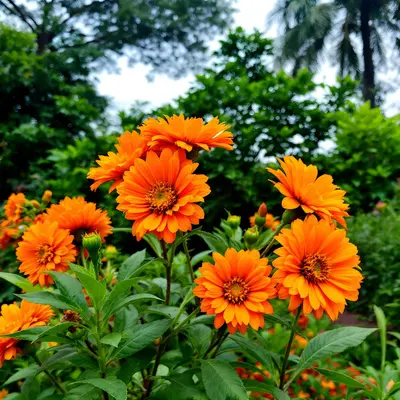
Wikimedia Commons via Common sunflower
Great for succession planting with the ProCut® series. 4-6" bloom size. Ideal for cut flower production. Ready 10-14 days before Sunbright. Pollenless. Single stem.
Harvest
60-70d
Days to harvest
Sun
Full sun
Zones
2–11
USDA hardiness
Height
1-10 feet
Planting Timeline
Showing dates for Sunrich Orange in USDA Zone 7
All Zone 7 flower →Zone Map
Click a state to update dates
Sunrich Orange · Zones 2–11
Growing Details
Succession Planting
Sunrich Orange is a cut-and-done crop — each stem produces one bloom, and the plant doesn't rebound the way a branching sunflower will. For a steady supply of cut flowers, direct sow every 14 days from April 1 through June 15 in zone 7, then stop. Sowings after mid-June will hit peak summer heat during germination (soil temps above 95°F slow germination noticeably) and push bloom right into peak Japanese beetle pressure in late July.
Sow seeds 1 inch deep and thin to 12 inches apart once seedlings hit 4 inches tall. A late sowing around August 1 can work for a fall CSA window — days are shortening, temperatures ease by September, and 60-70 days puts you at bloom right around first frost. Watch your 10-day forecast; if a hard freeze below 28°F is coming before the heads open, cut and bring them inside to finish in a bucket of water.
Complete Growing Guide
Sunrich Orange is best started directly in the garden soil after your last frost date has passed, as these sunflowers prefer not to be transplanted. Sow seeds approximately two weeks before your intended harvest date to achieve blooms around the 60-day mark. If you want to extend your flowering season, plan successive sowings every two to three weeks throughout late spring and early summer, taking advantage of this variety's reliable timing compared to other ProCut® series options. In cooler climates, you can start seeds indoors four to six weeks before the last frost, but handle seedlings gently when transplanting to minimize root disturbance.
Plant seeds one inch deep in well-draining soil that has been loosened to at least twelve inches. While Sunrich Orange tolerates average garden soil, incorporating compost or aged manure improves moisture retention and provides nutrients for robust growth. Space plants twelve to eighteen inches apart in rows, allowing adequate air circulation around the single stems that characterize this variety. Full sun exposure is essential—aim for at least six to eight hours of direct sunlight daily to promote the vibrant orange blooms and strong stem development needed for cut flower production.
Water deeply at planting time and maintain consistent moisture throughout the growing season, providing approximately one inch of water weekly through rainfall or irrigation. Reduce watering slightly once plants establish, as excessive moisture can weaken stems. Feed with a balanced, slow-release fertilizer at planting and again when plants are twelve inches tall. Avoid high-nitrogen formulas, which encourage leafy growth at the expense of flower development.
Sunrich Orange's pollenless nature makes it excellent for indoor arrangements, but watch for spider mites, which favor hot, dry conditions around the plant base. Monitor regularly and increase humidity with occasional overhead watering if infestations begin. Powdery mildew can appear in humid climates; ensure good spacing and air flow to prevent fungal issues. Sunflower moths occasionally damage developing heads, so inspect buds regularly and remove affected portions.
The single-stem structure of Sunrich Orange requires minimal pruning—simply remove any basal shoots that emerge below the primary flower head to direct energy upward. This variety produces harvestable blooms at approximately sixty days, making it ideal for professional cut flower growers who can time multiple plantings. Harvest stems when the outer ring of disk flowers opens, cutting in early morning for maximum vase life.
The most common mistake gardeners make with Sunrich Orange is harvesting too early or too late. Wait until the flower has fully opened and the back of the head shows no green, but before pollen production peaks, which maximizes both visual appeal and stem strength for floral arrangements.
Harvesting
Sunrich Orange reaches harvest at 60 - 70 days from sowing per Johnny's Selected Seeds. Expect 4-6" at peak. As an annual, harvest continues until frost ends the season.
Seeds are ovoid and somewhat flattened
Color: Black, Brown/Copper. Type: Achene. Length: < 1 inch. Width: < 1 inch.
Garden value: Edible
Harvest time: Fall
Edibility: Seeds are used for cooking oil, livestock feed, and as a snack food or garnish. Petals are edible and young flower buds can be steamed like artichokes.
Storage & Preservation
After harvest, place cut stems immediately in a vase or bucket with cool water and floral preservative (or a homemade mix of 1 tablespoon sugar + a few drops of bleach per quart). Store the arrangement in a cool location (60-70°F) away from direct sun and ripening fruit. Change water every 2-3 days and recut stems at an angle before each water change. Properly stored Sunrich Orange cut flowers last 10-14 days.
For longer preservation, hang-dry entire stems upside down in a warm, dark, well-ventilated space (a closet or garage works well). Flowers typically dry completely within 2-3 weeks and hold their orange color beautifully, lasting years as dried arrangements. Alternatively, press individual petals between newspaper weighted with books for 1-2 weeks to create flat botanicals for crafts or pressed-flower art. Dried sunflower heads can also be left on plants to ripen and harvest seeds for birdseed or next season's planting.
History & Origin
Sunrich Orange is an F1 hybrid developed through controlled cross-pollination. Listed in the Johnny's Selected Seeds catalog.
Origin: Western United States
Advantages
- +Pollenless variety eliminates messy pollen for cleaner arrangements
- +Excellent for succession planting within ProCut® series lineup
- +Ready 10-14 days earlier than Sunbright for faster harvests
- +Single stem design simplifies harvesting and bunch creation
- +4-6 inch blooms provide ideal commercial cut flower size
Considerations
- -Early maturity may require more frequent sowings for continuous production
- -Single stem limits yield per plant compared to branching varieties
- -Pollenless trait may appeal less to certain specialty markets
Companion Plants
Marigolds (French types like 'Petite Gold' work well at the front of the row) help deter aphids and whiteflies through root secretions, and nasturtiums pull double duty as a trap crop — aphids pile onto them and leave the sunflower stems alone. Bush beans are worth tucking in at 12-inch spacing too: they fix nitrogen in the top 6-8 inches of soil right where Sunrich Orange's feeder roots sit, and neither plant shades the other out. In our zone 7 Georgia summers, a row of Sunrich Orange casts enough afternoon shade to buy lettuce two or three extra weeks before it bolts.
Black walnut (Juglans nigra) is a hard stop — juglone leaches through the root zone and will stunt sunflowers even 30 feet from the trunk. Fennel causes similar problems through allelopathic compounds in its roots and is a poor neighbor for most of the garden anyway. Stick to bush bean varieties rather than pole beans; the vertical structure competition aside, pole beans specifically show poor compatibility with sunflowers in companion planting trials.
Plant Together
Marigolds
Repel aphids, whiteflies, and nematodes while attracting beneficial insects
Nasturtiums
Act as trap crop for aphids and cucumber beetles, protecting sunflowers
Zinnias
Attract pollinators and beneficial predatory insects like ladybugs
Cosmos
Complement sunflowers aesthetically and attract beneficial insects
Beans
Fix nitrogen in soil, benefiting sunflowers' nutrient needs
Lettuce
Benefits from shade provided by tall sunflowers during hot weather
Cucumbers
Can climb sunflower stalks for support and benefit from partial shade
Corn
Similar growing requirements and can provide wind protection for each other
Keep Apart
Black Walnut
Produces juglone toxin that inhibits sunflower growth and development
Fennel
Releases allelopathic compounds that stunt sunflower growth
Pole Beans
Heavy climbing beans can break sunflower stems and compete for nutrients
Potatoes
Compete for similar soil nutrients and may harbor common pests
Pests & Disease Resistance
Common Pests
Birds, spider mites in hot/dry conditions
Troubleshooting Sunrich Orange
What you'll see, why it happens, and what to do about it.
Seedling stems pinched off at soil level, overnight, shortly after germination
Likely Causes
- Cutworms (Agrotis spp.) — fat gray or brown larvae that feed at night and hide in the soil by day
- Transplanting without a physical collar around the stem
What to Do
- 1.Press a cardboard toilet-paper tube or aluminum foil collar around each transplant stem, pushing it about an inch into the soil
- 2.Scatter Bacillus thuringiensis var. kurstaki (Bt-k) granules on the soil surface around seedlings at planting time
- 3.If you've had cutworm pressure before, direct sow instead of transplanting — smaller stems are less of a target early on
Leaves develop a fine bronze or silver stippling, with tiny moving dots on the undersides during hot, dry stretches
Likely Causes
- Two-spotted spider mites (Tetranychus urticae) — NC State Extension flags these specifically for sunflowers in hot, dry conditions
- Water stress that weakens the plant's natural defenses
What to Do
- 1.Blast the undersides of leaves with a strong stream of water from the hose every 2-3 days — mites hate it and it knocks the population down fast
- 2.Apply insecticidal soap or neem oil to leaf undersides in the early morning before temperatures climb above 85°F
- 3.Keep soil consistently moist; drought-stressed plants draw mite pressure the way standing water draws mosquitoes
Seeds disappearing from the developing head before full maturity, or whole heads being stripped overnight
Likely Causes
- Birds — finches, house sparrows, and blue jays are the main culprits once seeds begin to fill
- Squirrels, which will take the entire head if they can reach it
What to Do
- 1.Loosely tie a paper bag or a piece of floating row cover (like Agribon-19) over each head once the petals drop and seeds begin to swell
- 2.Install reflective flash tape on stakes around the planting — it works for a week or two before birds wise up, so rotate with the bag method
- 3.If you're growing for cut flowers, harvest the heads when the back turns yellow-green; seeds will finish ripening indoors in a dry room
Frequently Asked Questions
How long does Sunrich Orange sunflower take to grow?▼
Is Sunrich Orange good for beginners?▼
What's the difference between Sunrich Orange and Sunbright?▼
Can you grow Sunrich Orange in containers?▼
When should I plant Sunrich Orange sunflower?▼
Why does Sunrich Orange have no pollen?▼
Zone-by-Zone Planting Calendar
| Zone | Indoor Start | Transplant | Direct Sow | Harvest |
|---|---|---|---|---|
| Zone 1 | May – June | July – August | July – September | — |
| Zone 2 | April – May | June – July | June – August | — |
| Zone 11 | January – January | January – February | January – March | — |
| Zone 12 | January – January | January – February | January – March | — |
| Zone 13 | January – January | January – February | January – March | — |
| Zone 3 | April – May | June – July | June – August | — |
| Zone 4 | March – April | June – June | June – July | — |
| Zone 5 | March – April | May – June | May – July | — |
| Zone 6 | March – April | May – June | May – July | — |
| Zone 7 | February – March | April – May | April – June | — |
| Zone 8 | February – March | April – May | April – June | — |
| Zone 9 | January – February | March – April | March – May | — |
| Zone 10 | January – January | February – March | February – April | — |
Growing Guides from Wind River Greens
Sources & References
External authority sources used in compiling this guide.
- BreederJohnny's Selected Seeds
See the Methodology page for how this data is sourced, what's AI-assisted, and known limitations.