Sunrich Lemon
Helianthus annuus
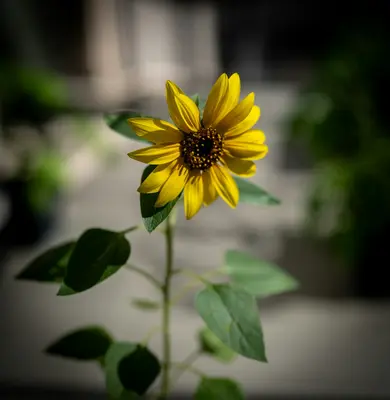
Wikimedia Commons via Common sunflower
Great for succession planting with the ProCut® series. Bright yellow rays, black disk. Ideal for cut flower production. 4-6" bloom size. Ready 10-14 days before Sunbright. Pollenless. Single stem.
Harvest
60-70d
Days to harvest
Sun
Full sun
Zones
2–11
USDA hardiness
Height
1-10 feet
Planting Timeline
Showing dates for Sunrich Lemon in USDA Zone 7
All Zone 7 flower →Zone Map
Click a state to update dates
Sunrich Lemon · Zones 2–11
Growing Details
Succession Planting
Direct sow Sunrich Lemon every 14 days starting April 1 through early June in zone 7. Each sowing gives you a fresh flush of blooms 60–70 days out, which matters a lot if you're cutting for market or CSA bouquets. Stop by June 10 or so — seeds started after that will germinate fine, but the plants will be pushing bloom during the worst of August heat, and cut-flower stem quality drops noticeably above 95°F. A single late-April sowing is plenty if you just want a mass planting for the yard.
Complete Growing Guide
Sunrich Lemon sunflowers are best started by direct sowing seeds into the garden after your last frost date has passed, as they germinate quickly and transplant poorly. Sow seeds approximately one to two weeks after the final frost when soil temperatures reach at least 50°F, though 60°F or warmer produces more vigorous sprouting. In cooler climates, you can start seeds indoors four to six weeks before your last frost date, but handle seedlings carefully since sunflowers resent root disturbance. Plant seeds directly into well-draining soil that has been loosened to a depth of at least 8 inches. Space seeds about 6 inches apart, pressing them one inch deep into the soil. Thin seedlings to 12 to 18 inches apart once they've developed their first true leaves, as proper spacing is crucial for this variety's single-stem growth habit and air circulation.
Sunrich Lemon performs best in full sun with at least six to eight hours of direct light daily. Prepare your soil by mixing in compost or aged manure before planting, as these yellow-rayed pollenless beauties benefit from nutrient-rich conditions that support their 60-day sprint to harvest. Water consistently, providing about one inch per week through rainfall or irrigation. Young seedlings need more frequent moisture, but once established, sunflowers are fairly drought-tolerant. Feed with a balanced fertilizer every two to three weeks, or use a slow-release granular formula applied at planting time. Reduce nitrogen applications once buds form, as excessive nitrogen encourages excessive foliage at the expense of flower quality.
The pollenless characteristic of Sunrich Lemon makes it particularly valuable for cut flower production, but watch for powdery mildew, which can affect sunflowers in humid conditions. Ensure good air circulation through proper spacing and remove any affected leaves promptly. Spider mites occasionally trouble sunflowers during hot, dry weather, so monitor undersides of leaves and increase humidity with regular misting if necessary. Aphids may cluster on new growth; spray with water or use insecticidal soap if populations become problematic.
Succession planting is where Sunrich Lemon truly excels. Because this variety matures ten to fourteen days ahead of Sunbright, stagger plantings every two weeks throughout the growing season to ensure continuous blooms for cutting. The single-stem architecture requires no pruning or pinching, unlike branching varieties. Simply stake plants taller than four feet in windy locations to prevent stem breakage and ensure straight, harvestable stems.
The most common mistake gardeners make with Sunrich Lemon is harvesting too early. Wait until the back of the flower head turns yellowish-brown and petals fully reflex, indicating peak vase life. Cut stems in the morning when hydration is highest, and they'll reward you with weeks of reliable color in arrangements.
Harvesting
Sunrich Lemon reaches harvest at 60 - 70 days from sowing per Johnny's Selected Seeds. Expect 4-6" at peak. As an annual, harvest continues until frost ends the season.
Seeds are ovoid and somewhat flattened
Color: Black, Brown/Copper. Type: Achene. Length: < 1 inch. Width: < 1 inch.
Garden value: Edible
Harvest time: Fall
Edibility: Seeds are used for cooking oil, livestock feed, and as a snack food or garnish. Petals are edible and young flower buds can be steamed like artichokes.
Storage & Preservation
Fresh-cut Sunrich Lemon stems stored in clean water at room temperature (65-72°F) with floral preservative last 10-14 days. Change water every 2-3 days and re-cut stems at a 45-degree angle. For longer-term storage, keep arrangements in a cool room (50-60°F) away from direct sun and ripening fruit, which accelerates senescence.
Dried sunflowers preserve well: hang bundles upside-down in a warm, dry, dark space (attic, shed) for 2-3 weeks until petals are papery and the disk dries completely. Once dry, store in airtight containers with silica gel to maintain color and prevent moisture absorption. Dried Sunrich Lemon blooms retain their yellow and black contrast beautifully for 12+ months and are ideal for dried arrangements and wreaths.
Pressing individual petals between parchment paper under heavy weights preserves them for crafts, herbals, or botanical art for several months if stored in a cool, dry location.
History & Origin
Sunrich Lemon is an F1 hybrid developed through controlled cross-pollination. Listed in the Johnny's Selected Seeds catalog.
Origin: Western United States
Advantages
- +Pollenless variety reduces allergen concerns for indoor cut flower arrangements
- +Early maturity at 60-70 days allows quick succession planting cycles
- +Ideal 4-6 inch bloom size fits standard floral industry vase requirements
- +Single stem habit simplifies harvesting and reduces post-harvest processing labor
- +Matures 10-14 days before Sunbright, extending seasonal production window
Considerations
- -Single stem structure limits yield per plant compared to branching varieties
- -Black disk may appeal less to some floral market segments preferring solid colors
- -Requires consistent moisture and nutrition for optimal cut flower stem quality
Companion Plants
In our zone 7 Georgia gardens, marigolds (Tagetes patula especially) and nasturtiums pull real weight near sunflowers — marigolds deter aphids and whiteflies that cluster on sunflower stems, while nasturtiums act as a trap crop, drawing aphids off the main planting before they build up. Beans and cucumbers benefit from the light shade a tall sunflower row casts on their root zones during July heat. Keep fennel well away — it puts out allelopathic compounds that stunt most nearby annuals — and black walnut roots produce juglone, a toxin that can kill sunflowers planted anywhere within the tree's drip zone.
Plant Together
Marigolds
Repel aphids, whiteflies, and nematodes while attracting beneficial insects
Nasturtiums
Act as trap crops for aphids and cucumber beetles, protecting sunflowers
Zinnias
Attract pollinators and beneficial predatory insects like ladybugs
Cosmos
Attract beneficial insects and provide complementary flowering periods
Basil
Repels aphids and thrips while attracting beneficial pollinators
Beans
Fix nitrogen in soil and benefit from sunflower's tall structure for support
Cucumbers
Benefit from sunflower shade and wind protection while maximizing garden space
Lettuce
Thrives in partial shade provided by tall sunflowers during hot weather
Keep Apart
Black Walnut Trees
Release juglone toxin that severely stunts or kills sunflower growth
Fennel
Produces allelopathic compounds that inhibit sunflower germination and growth
Potatoes
Compete for similar nutrients and may increase risk of shared fungal diseases
Troubleshooting Sunrich Lemon
What you'll see, why it happens, and what to do about it.
Seedling stems pinched off at soil level, entire plant toppled overnight
Likely Causes
- Cutworms (Agrotis spp.) — larvae curl up in the top inch of soil during the day and feed at night
- Transplanting into beds with heavy thatch or unincorporated debris, which harbors larvae
What to Do
- 1.Press a 3-inch cardboard or plastic collar 1 inch into the soil around each stem at transplant time
- 2.Scratch a ring of diatomaceous earth around the base of each seedling and reapply after rain
- 3.If the problem recurs season after season, work the bed deeply in fall to expose pupae to birds
Powdery white coating on upper leaf surfaces, usually after plants hit 18–24 inches tall
Likely Causes
- Powdery mildew (Erysiphe cichoracearum) — common on sunflowers in humid conditions, especially with poor airflow
- Crowded spacing under 12 inches that keeps foliage damp longer
What to Do
- 1.Thin or space plants to at least 12 inches apart so air moves through
- 2.Spray affected leaves with a diluted baking soda solution (1 tablespoon per gallon of water) every 7 days
- 3.Pull and bag badly infected leaves — don't compost them
Flower heads drooping or failing to open, with chewed or missing ray petals on buds
Likely Causes
- Sunflower moth (Homoeosoma electellum) larvae tunneling into developing heads
- Japanese beetles (Popillia japonica) skeletonizing petals on open blooms
What to Do
- 1.For sunflower moth, scout buds starting around day 55 and hand-pick any visible larvae or egg clusters
- 2.Knock Japanese beetles into a bucket of soapy water in the early morning when they're sluggish
- 3.Skip broad-spectrum sprays during bloom — Sunrich Lemon is pollen-type and draws pollinators you don't want to take out
Frequently Asked Questions
How long does Sunrich Lemon sunflower take to grow from seed to harvest?▼
Can you grow Sunrich Lemon sunflowers in containers or pots?▼
What's the difference between Sunrich Lemon and Sunbright sunflower?▼
Is Sunrich Lemon good for beginners?▼
When should I plant Sunrich Lemon seeds?▼
Why does Sunrich Lemon have no pollen, and is it important?▼
Zone-by-Zone Planting Calendar
| Zone | Indoor Start | Transplant | Direct Sow | Harvest |
|---|---|---|---|---|
| Zone 1 | May – June | July – August | July – September | — |
| Zone 2 | April – May | June – July | June – August | — |
| Zone 11 | January – January | January – February | January – March | — |
| Zone 12 | January – January | January – February | January – March | — |
| Zone 13 | January – January | January – February | January – March | — |
| Zone 3 | April – May | June – July | June – August | — |
| Zone 4 | March – April | June – June | June – July | — |
| Zone 5 | March – April | May – June | May – July | — |
| Zone 6 | March – April | May – June | May – July | — |
| Zone 7 | February – March | April – May | April – June | — |
| Zone 8 | February – March | April – May | April – June | — |
| Zone 9 | January – February | March – April | March – May | — |
| Zone 10 | January – January | February – March | February – April | — |
Growing Guides from Wind River Greens
Sources & References
External authority sources used in compiling this guide.
- BreederJohnny's Selected Seeds
See the Methodology page for how this data is sourced, what's AI-assisted, and known limitations.