Sunrich Gold
Helianthus annuus
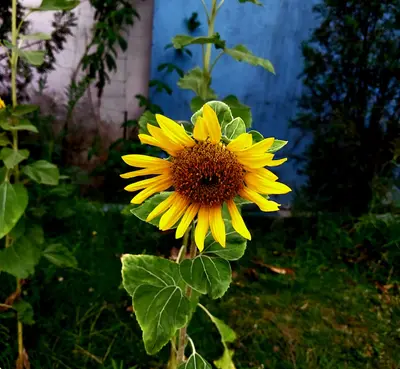
Great for succession planting with the ProCut® series. Golden yellow petals surround a bright green disk. Ideal for cut flower production. 4-6" bloom size. Ready 10-14 days before Sunbright. Pollenless. Single stem.
Harvest
60-70d
Days to harvest
Sun
Full sun
Zones
2–11
USDA hardiness
Height
1-10 feet
Planting Timeline
Showing dates for Sunrich Gold in USDA Zone 7
All Zone 7 flower →Zone Map
Click a state to update dates
Sunrich Gold · Zones 2–11
Growing Details
Succession Planting
Direct sow every 14–21 days from April through mid-June in zone 7, stopping before daytime highs lock in above 90°F — heat pushes the plant to rush toward flowering before it's properly sized, and germination rates drop off sharply above 95°F soil temperature. A sowing in early April and a follow-up in mid-May gets you two harvest windows roughly 3–4 weeks apart, which is enough spread for a cut-flower setup without a glut hitting all at once.
Complete Growing Guide
Sunrich Gold sunflowers thrive when direct sown into the garden after your last spring frost date, once soil temperatures reach at least 50°F. Unlike many ornamental sunflowers, this variety's quick 60-day harvest window makes it ideal for succession planting—sow new seeds every two weeks through early summer for continuous blooms. If you prefer a head start, you can begin seeds indoors four to six weeks before your last frost, though direct sowing typically produces sturdier plants with less transplant shock.
Prepare your planting area by loosening soil to a depth of at least 8-10 inches, incorporating compost or aged manure to improve drainage and fertility. Sunrich Gold seeds should be planted approximately one-half inch deep, spacing plants 12-18 inches apart initially; thin seedlings to these distances once they've developed their first true leaves. The variety's single-stem characteristic means you won't need to manage branching, but adequate spacing ensures good air circulation and minimizes disease pressure from the ground up.
Water deeply but infrequently, providing roughly one inch per week through rainfall or irrigation. This variety benefits from consistent moisture during establishment and flowering, but overwatering—especially in humid climates—can invite fungal problems. Feed your Sunrich Gold plants every three weeks with a balanced fertilizer once they reach 12 inches tall; excessive nitrogen will encourage foliage at the expense of bloom size and pollenfree flower quality.
Because Sunrich Gold produces pollenless flowers specifically bred for cut flower production, you won't face the pollen-related issues that plague some sunflower varieties. However, watch for powdery mildew, which can develop on foliage if air circulation is poor or nights remain cool and damp. The variety's typical height range of 18 inches to 10 feet means some cultivars will need staking in windy locations, particularly the taller selections. Spider mites occasionally trouble sunflowers in hot, dry conditions, so monitor undersides of leaves and increase humidity with overhead irrigation if infestations appear.
The single-stem growth habit of Sunrich Gold makes it perfectly suited for succession planting alongside other ProCut® series varieties. Plan your sowings strategically: since Sunrich Gold matures 10-14 days earlier than Sunbright, staggered plantings create a seamless succession of harvest-ready blooms throughout the season. This is particularly valuable for cut flower growers seeking consistent supply.
One critical mistake gardeners make with Sunrich Gold is harvesting too early, assuming that stage implies readiness. Wait until the back of the flower head turns brown and the petals have fully reflexed backward before cutting. Harvesting at this mature stage ensures maximum vase life and that characteristic golden-yellow color will remain vibrant in arrangements. Cutting early results in premature wilting and disappointing color retention.
Harvesting
Sunrich Gold reaches harvest at 60 - 70 days from sowing per Johnny's Selected Seeds. Expect 4-6" at peak. As an annual, harvest continues until frost ends the season.
Seeds are ovoid and somewhat flattened
Color: Black, Brown/Copper. Type: Achene. Length: < 1 inch. Width: < 1 inch.
Garden value: Edible
Harvest time: Fall
Edibility: Seeds are used for cooking oil, livestock feed, and as a snack food or garnish. Petals are edible and young flower buds can be steamed like artichokes.
Storage & Preservation
Store fresh cut sunflowers at room temperature (65-72°F) in a clean vase with water, or refrigerate at 34-40°F to extend vase life to 8-12 days. Keep away from ripening fruit and direct sunlight. Change water every 2-3 days. For preservation, dry stems upside-down in a warm, dark, well-ventilated space for 2-3 weeks, then store in an airtight container. Alternatively, press flowers between parchment paper under heavy books for 2-4 weeks for floral crafts. Glycerin preservation maintains color and flexibility for arrangements.
History & Origin
Sunrich Gold is an F1 hybrid developed through controlled cross-pollination. Listed in the Johnny's Selected Seeds catalog.
Origin: Western United States
Advantages
- +Pollenless variety ideal for clean indoor cut flower arrangements
- +Ready 10-14 days earlier than Sunbright for succession planting
- +Golden yellow petals with bright green disk create striking visual contrast
- +Single stem design maximizes cut flower production efficiency
- +Easy difficulty level makes it accessible for beginner growers
Considerations
- -4-6 inch blooms may be considered small for premium cut markets
- -Requires careful succession planting timing to avoid market oversupply
- -Green disk can darken or discolor if harvested or stored improperly
Companion Plants
Marigolds (Tagetes patula specifically) deter aphids and whiteflies through root exudates, and nasturtiums act as a trap crop for black aphids, drawing them away from sunflower stems. Beans fix nitrogen at a shallow root depth that doesn't put much pressure on sunflower taproots, so that pairing costs you nothing. Lettuce does well tucked on the north side of a 4–5 foot sunflower in midsummer — it picks up just enough afternoon shade to slow bolting by a week or two. Skip potatoes: both crops are susceptible to Verticillium wilt, and growing them together accelerates pathogen buildup in the soil faster than either one would alone.
Plant Together
Marigolds
Repel aphids, whiteflies, and nematodes while attracting beneficial insects
Nasturtiums
Act as trap crops for aphids and cucumber beetles, protecting sunflowers
Zinnias
Attract pollinators and beneficial predatory insects like ladybugs
Cosmos
Attract beneficial insects and provide complementary height structure
Basil
Repels aphids, thrips, and flies while attracting pollinators
Borage
Attracts pollinators and beneficial insects while improving soil nutrients
Lettuce
Benefits from sunflower's shade and wind protection during hot weather
Beans
Fix nitrogen in soil and can use sunflower stalks for support
Keep Apart
Black Walnut
Releases juglone which is toxic to sunflowers and inhibits growth
Potatoes
Compete for similar nutrients and sunflowers may inhibit potato growth
Fennel
Allelopathic properties inhibit growth of most garden plants including sunflowers
Troubleshooting Sunrich Gold
What you'll see, why it happens, and what to do about it.
Seedling stems pinched off at soil level, often overnight
Likely Causes
- Cutworms (Agrotis spp.) — moth larvae that live in the top inch of soil and sever stems at night
- Recent sod or weedy bed that harbored overwintering larvae
What to Do
- 1.Press a cardboard or plastic collar 2 inches into the soil around each seedling stem
- 2.Scratch Bacillus thuringiensis var. kurstaki (Btk) or beneficial nematodes (Steinernema carpocapsae) into the soil before sowing
- 3.If losses are heavy, direct sow a fresh batch — Sunrich Gold germinates fast enough to catch up
White powdery coating on upper leaf surfaces, starting on older leaves around week 6–8
Likely Causes
- Powdery mildew (Erysiphe cichoracearum) — common in sunflowers, especially when nights cool below 65°F and humidity is high
- Dense planting that restricts airflow
What to Do
- 1.Strip and bag the worst-affected leaves; don't compost them
- 2.Spray with a potassium bicarbonate solution (1 tablespoon per gallon of water) every 7 days until symptoms stop spreading
- 3.Give plants at least 12 inches of clearance — Sunrich Gold is a single-stem variety, so you can pack rows tighter than branching types, but not shoulder-to-shoulder
Flower heads chewed down or seeds stripped before harvest, usually 60–65 days after sowing
Likely Causes
- Goldfinches and house finches — they'll work the head the moment petals start dropping
- Gray squirrels, especially in suburban settings
What to Do
- 1.Slip a mesh produce bag or a section of floating row cover (secured with a twist tie) over each head once petals fall if you're harvesting for seed or cut stems
- 2.For a cut-flower crop, harvest at the 'bud crack' stage — when the outermost petals just begin to pull away from the disk — so birds don't beat you to it
Frequently Asked Questions
How long do Sunrich Gold cut flowers last in a vase?▼
Is Sunrich Gold good for beginners?▼
Can you grow Sunrich Gold sunflowers in containers?▼
When should I plant Sunrich Gold sunflowers?▼
Why does Sunrich Gold mature faster than Sunbright?▼
What does pollenless mean on Sunrich Gold?▼
Zone-by-Zone Planting Calendar
| Zone | Indoor Start | Transplant | Direct Sow | Harvest |
|---|---|---|---|---|
| Zone 3 | April – May | June – July | June – August | — |
| Zone 4 | March – April | June – June | June – July | — |
| Zone 5 | March – April | May – June | May – July | — |
| Zone 6 | March – April | May – June | May – July | — |
| Zone 7 | February – March | April – May | April – June | — |
| Zone 8 | February – March | April – May | April – June | — |
| Zone 9 | January – February | March – April | March – May | — |
| Zone 10 | January – January | February – March | February – April | — |
| Zone 1 | May – June | July – August | July – September | — |
| Zone 2 | April – May | June – July | June – August | — |
| Zone 11 | January – January | January – February | January – March | — |
| Zone 12 | January – January | January – February | January – March | — |
| Zone 13 | January – January | January – February | January – March | — |
Growing Guides from Wind River Greens
Sources & References
External authority sources used in compiling this guide.
- BreederJohnny's Selected Seeds
See the Methodology page for how this data is sourced, what's AI-assisted, and known limitations.