SunFill™ Purple
Helianthus annuus
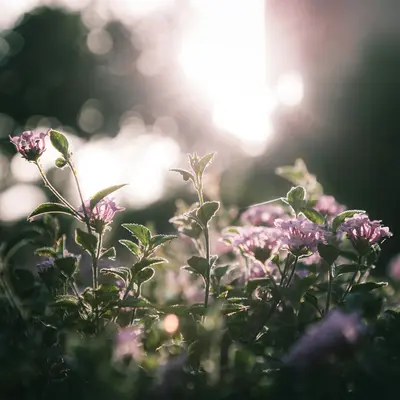
Fast-growing sunflowers produce sturdy, 3-4" geometric flower heads for use as bouquet greenery. Petals are green at the center, fading to purple. Often, sunflower backs can be just as beautiful and interesting as the faces. To bring the "sunflower back" look to the forefront, American sunflower breeder Tom Heaton bred two innovative varieties (SunFill Green and SunFill Purple) with highly ornamental sepals that wrap the flower face, creating that look typically only found on the back of the flower. Sunflower heads produce very small and few petals, allowing for the calyx to cover the face of the bloom at harvest. Pollenless. Single stem. NOTE: Recommended for cutting only. If left in the field, small petals (which were hidden under the calyx) and large seedhead develop, altering the look of the flower.
Harvest
50-55d
Days to harvest
Sun
Full sun
Zones
2–11
USDA hardiness
Height
1-10 feet
Planting Timeline
Showing dates for SunFill™ Purple in USDA Zone 7
All Zone 7 flower →Zone Map
Click a state to update dates
SunFill™ Purple · Zones 2–11
Growing Details
Succession Planting
Direct sow every 2 to 3 weeks from April through early June in zone 7, stopping once daytime highs are consistently above 90°F — germination drops sharply in hot, dry soil. Each sowing takes 50–55 days to bloom, so a late-May direct sow puts flowers in mid-to-late July before the worst of summer heat sets in. If you're starting indoors, sow into peat or paper pots 4 to 6 weeks before your last frost date and transplant out in April once nights stay above 50°F; sunflowers sulk when their roots are disturbed, so anything you can drop in whole saves you trouble.
Complete Growing Guide
SunFill™ Purple sunflowers can be started either indoors or direct sown into the garden, depending on your growing season length. For indoor sowing, start seeds 4-6 weeks before your last spring frost date, planting them about half an inch deep in seed-starting mix. Direct sowing is equally effective and often preferred for sunflowers since they transplant easily but don't require it; simply sow seeds directly into the garden after all frost danger has passed and soil has warmed. These fast-growing varieties reach harvest in just 50 days, making them ideal for succession planting if you want continuous blooms throughout the season.
Prepare your soil by loosening it to a depth of 8-10 inches and working in compost or well-rotted manure to improve drainage and fertility. Space seeds about 6-12 inches apart depending on your desired final plant height, since SunFill™ Purple can range from 18 inches to 10 feet tall. Thin seedlings to the wider spacing if plants appear crowded, as good air circulation is important for maintaining the ornamental calyx appearance that makes this variety special. Plant in full sun, as these sunflowers need 6-8 hours of direct sunlight daily to develop their characteristic purple-toned sepals and sturdy stems.
Water consistently throughout the growing season, providing about one inch of water per week through rainfall or irrigation. Keep soil evenly moist but not waterlogged, as soggy conditions can lead to root rot. Feed with a balanced, all-purpose fertilizer every 3-4 weeks once plants are 12 inches tall, or use a slow-release fertilizer at planting time. As the flowers develop, reduce nitrogen feeding to encourage blooming rather than excessive foliage.
Watch carefully for sunflower rust and powdery mildew, particularly in humid conditions, as these fungal diseases can develop on the ornamental sepals and diminish the visual appeal. Aphids may also congregate on developing flower buds. Monitor regularly and address infestations early with appropriate organic or conventional controls. The pollenless nature of SunFill™ Purple makes it excellent for cutting, and you should harvest blooms when the calyx is fully developed but before small petals begin emerging from underneath.
One critical mistake gardeners make with SunFill™ Purple is leaving plants in the field too long. Unlike traditional sunflowers bred for seed production, this cultivar will develop a large seedhead and expose small petals if allowed to mature beyond the cutting stage, completely altering its distinctive geometric appearance. For maximum ornamental value, cut flowers at the 50-day mark when the calyx is prominent and fully wrapped around the face of the bloom, creating that coveted reverse-flower aesthetic that makes this variety unique.
Harvesting
SunFill™ Purple reaches harvest at 50 - 55 days from sowing per Johnny's Selected Seeds. Expect 3-4" at peak. As an annual, harvest continues until frost ends the season.
Seeds are ovoid and somewhat flattened
Color: Black, Brown/Copper. Type: Achene. Length: < 1 inch. Width: < 1 inch.
Garden value: Edible
Harvest time: Fall
Edibility: Seeds are used for cooking oil, livestock feed, and as a snack food or garnish. Petals are edible and young flower buds can be steamed like artichokes.
Storage & Preservation
For fresh storage, keep SunFill Purple stems in a cool location, ideally in a vase with fresh water at room temperature (65-72°F) away from direct heat and ripening fruit. Change water every 2-3 days and re-cut stems at an angle. Shelf life is typically 7-10 days as a cut flower. For preservation: (1) Air drying—hang bundles upside down in a warm, dark, well-ventilated space for 2-3 weeks; (2) Pressing—place blooms between parchment paper under heavy weight for 4-6 weeks for flat, decorative specimens; (3) Glycerin preservation—submerge stems in a glycerin-water solution (1:1) for 2-3 weeks to maintain flexibility and create dried arrangements.
History & Origin
This ornamental sunflower was bred by American sunflower breeder Tom Heaton as part of an innovative two-variety program that includes SunFill Green. Heaton deliberately developed these cultivars to showcase the typically hidden beauty of sunflower backs by breeding plants with highly ornamental sepals and minimal petals, allowing the decorative calyx to dominate the flower face at harvest. The purple-petaled selection produces 3-4" geometric blooms with green centers fading to purple, specifically engineered for the cut flower market. While documentation on the exact year of introduction remains limited, this variety represents a modern breeding achievement focused on transforming conventional aesthetic expectations of sunflowers in floral design.
Origin: Western United States
Advantages
- +Fast-growing variety ready for harvest in just 50-55 days
- +Unique purple-fading petals create distinctive geometric flower heads
- +Ornamental sepals showcase the beautiful sunflower back aesthetic
- +Pollenless design keeps arrangements cleaner without pollen staining
- +Single stem format simplifies bunch preparation for florists
Considerations
- -Requires immediate cutting at peak bloom or appearance deteriorates
- -Small hidden petals and seedhead development ruin look if unharvested
- -Specialized breeding makes seeds potentially more expensive than standard sunflowers
- -Limited to cut flower use only, unsuitable for garden display
Companion Plants
Marigolds and nasturtiums pull the most weight here — marigolds deter aphids and whiteflies that colonize sunflower stems, while nasturtiums act as a trap crop, drawing aphids away onto themselves. Zinnias, cosmos, and celosia fit naturally in the same bed because their root systems run shallower than sunflowers' taproots, so they're not fighting for the same water. Keep SunFill Purple at least 50 feet from any black walnut, whose roots release juglone — a compound that stunts or kills a wide range of plants — and pull fennel entirely out of the picture, since it chemically suppresses germination in most species planted within a few feet of it.
Plant Together
Marigolds
Repel nematodes and aphids while attracting beneficial insects
Nasturtiums
Act as trap crops for aphids and cucumber beetles
Zinnias
Attract pollinators and beneficial predatory insects
Cosmos
Provide complementary colors and attract butterflies and bees
Sweet Alyssum
Low-growing ground cover that attracts beneficial wasps and hoverflies
Celosia
Similar growing requirements and attracts beneficial insects
Salvia
Repels harmful insects and attracts pollinators with complementary purple tones
Dusty Miller
Silver foliage provides excellent contrast to purple flowers
Keep Apart
Black Walnut Trees
Produce juglone toxin that inhibits growth of many flowering plants
Eucalyptus
Allelopathic properties suppress growth of nearby plants
Fennel
Inhibits growth of most garden plants through allelopathy
Troubleshooting SunFill™ Purple
What you'll see, why it happens, and what to do about it.
Seedling stems pinch off at soil level overnight, plants topple over
Likely Causes
- Damping off (Pythium or Rhizoctonia spp.) — fungal rot triggered by soggy, poorly drained soil
- Overwatering combined with low airflow around seedlings
What to Do
- 1.Don't water again until the top inch of soil is dry; seedlings need less water than you think
- 2.If starting indoors, run a small fan nearby for 30 minutes a day to improve airflow
- 3.Drench surviving seedlings once with a dilute hydrogen peroxide solution (1 part 3% H₂O₂ to 9 parts water) to knock back fungal activity in the mix
Leaves covered in white powdery coating, starting on upper leaf surfaces around midsummer
Likely Causes
- Powdery mildew (Erysiphe cichoracearum) — thrives in warm days with cool nights and stagnant air
- Plants spaced too close together, cutting off air circulation
What to Do
- 1.Space plants at least 18 inches apart at planting — crowding is the main setup for this disease
- 2.Spray affected foliage with a dilute baking soda solution (1 tablespoon per gallon of water) or a neem oil product; repeat every 7 days
- 3.Remove and bag the worst-affected leaves; don't compost them
Flower heads or upper stems chewed down, often overnight, no insects visible at the damage site
Likely Causes
- Deer browsing — sunflowers are a preferred target, especially before the stems lignify
- Rabbits on younger plants under 12 inches tall
What to Do
- 1.Install a physical barrier — chicken wire or deer netting staked at least 6 feet high for deer, 2 feet for rabbits
- 2.Apply a repellent spray containing putrescent egg solids (e.g. Liquid Fence) around the planting perimeter and reapply after rain
- 3.Once plants reach 3 feet and stems are thick, deer pressure usually drops off on its own
Tiny orange pustules on the undersides of leaves, with yellow patches showing on the upper surface
Likely Causes
- Sunflower rust (Puccinia helianthi) — spreads via windborne spores and accelerates in humid, wet conditions
- Overhead irrigation or dense plantings that keep foliage wet for hours at a time
What to Do
- 1.Strip and dispose of infected leaves in the trash — not the compost pile
- 2.Apply a sulfur-based or copper fungicide labeled for rust, coating both leaf surfaces; repeat every 10–14 days
- 3.Switch to drip or base watering so leaves dry out between cycles
Frequently Asked Questions
How long do SunFill Purple flowers last in a vase?▼
Can I grow SunFill Purple in containers?▼
When should I plant SunFill Purple sunflowers?▼
Is SunFill Purple good for beginners?▼
What makes SunFill Purple different from regular sunflowers?▼
How should I harvest SunFill Purple for the best appearance?▼
Zone-by-Zone Planting Calendar
| Zone | Indoor Start | Transplant | Direct Sow | Harvest |
|---|---|---|---|---|
| Zone 3 | April – May | June – July | June – August | — |
| Zone 4 | March – April | June – June | June – July | — |
| Zone 5 | March – April | May – June | May – July | — |
| Zone 6 | March – April | May – June | May – July | — |
| Zone 7 | February – March | April – May | April – June | — |
| Zone 8 | February – March | April – May | April – June | — |
| Zone 9 | January – February | March – April | March – May | — |
| Zone 10 | January – January | February – March | February – April | — |
| Zone 1 | May – June | July – August | July – September | — |
| Zone 2 | April – May | June – July | June – August | — |
| Zone 11 | January – January | January – February | January – March | — |
| Zone 12 | January – January | January – February | January – March | — |
| Zone 13 | January – January | January – February | January – March | — |
Growing Guides from Wind River Greens
Sources & References
External authority sources used in compiling this guide.
- BreederJohnny's Selected Seeds
See the Methodology page for how this data is sourced, what's AI-assisted, and known limitations.