SunFill™ Green
Helianthus annuus
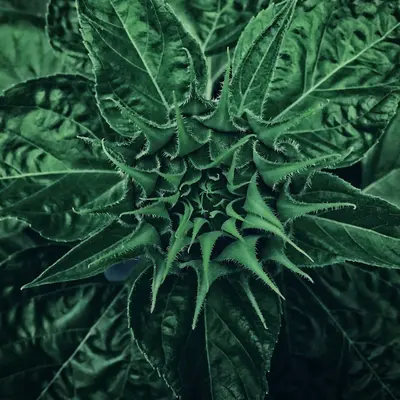
Fast-growing sunflowers produce sturdy, 3-4" bright green, geometric flower heads for use as bouquet greenery. Often, sunflower backs can be just as beautiful and interesting as the faces. To bring the "sunflower back" look to the forefront, American sunflower breeder Tom Heaton bred two innovative varieties (SunFill Green and SunFill Purple) with highly ornamental sepals that wrap the flower face, creating that look typically only found on the back of the flower. Sunflower heads produce very small and few petals, allowing for the calyx to cover the face of the bloom at harvest. Pollenless. Single stem. NOTE: Recommended for cutting only. If left in the field, small petals (which were hidden under the calyx) and large seedhead develop, altering the look of the flower.
Harvest
50-55d
Days to harvest
Sun
Full sun
Zones
2–11
USDA hardiness
Height
1-10 feet
Planting Timeline
Showing dates for SunFill™ Green in USDA Zone 7
All Zone 7 flower →Zone Map
Click a state to update dates
SunFill™ Green · Zones 2–11
Growing Details
Succession Planting
SunFill Green runs 50–55 days to bloom, which makes staggered sowings practical for a steady cut-flower supply. Direct sow every 14–21 days from April 1 through June 15 in zone 7; push past that window and bloom lands in the worst of the summer heat, which shortens vase life and coincides with peak sunflower moth flight. If you're starting indoors, sow in February or March and transplant out in April after last frost clears.
Because most sunflower varieties — this one included — throw a single primary stem rather than branching freely, succession planting is the only reliable way to keep heads coming in. Stop your last sowing by late June in zone 7 so the final flush finishes before fall nights drop below 50°F and growth stalls out.
Complete Growing Guide
SunFill™ Green sunflowers can be started either indoors four to six weeks before your last spring frost or direct sown directly into the garden after all danger of frost has passed and soil temperatures reach at least 50°F. Direct sowing is often preferred for sunflowers since they develop deep taproots and transplant better when started in place. If you choose indoor starting, use individual peat pots to minimize root disturbance when planting out. Time your seeding so that seedlings are ready to transplant when outdoor conditions are reliably warm, typically within two weeks after your last frost date.
Prepare soil by working in compost or well-rotted organic matter to improve drainage and fertility. Sunflowers prefer slightly acidic to neutral soil with a pH between 6.0 and 7.5. Space plants 12 to 18 inches apart in rows or clusters, planting seeds about one inch deep. SunFill™ Green's variable mature height—ranging from 18 inches to 10 feet depending on growing conditions—means proper spacing becomes increasingly important for taller specimens to prevent crowding and ensure good air circulation around the dense flower heads.
Water deeply and consistently throughout the growing season, providing approximately one inch per week through rainfall or irrigation. Young seedlings need more frequent watering to establish strong root systems, but mature plants become more drought-tolerant. Feed with a balanced, slow-release fertilizer at planting time, then transition to a lower-nitrogen formula once flowering begins to encourage bloom development rather than excessive foliage. Avoid high-nitrogen feeds, which promote leafy growth at the expense of the ornamental green heads you're cultivating.
Watch carefully for spider mites, which can cause stippling on foliage and reduce plant vigor, particularly during hot, dry spells. Powdery mildew may develop if air circulation is poor, so ensure adequate spacing and avoid overhead watering late in the day. Because SunFill™ Green is bred specifically for cutting with minimal petals hidden beneath the calyx, monitor plants for any sign of petal emergence or seedhead development—both indicate the flower is past peak harvest stage.
The critical technique gardeners often overlook with SunFill™ Green is harvest timing. These flowers must be cut at precisely the right moment when the geometric green sepals fully cover the flower face but before hidden petals begin pushing through. Harvest too early and the bloom hasn't fully formed; harvest too late and the small petals emerge, dramatically altering the intended look. Check plants daily once they reach maturity around day 50, and cut stems in early morning when stems are fully hydrated.
Harvesting
SunFill™ Green reaches harvest at 50 - 55 days from sowing per Johnny's Selected Seeds. Expect 3-4" at peak. As an annual, harvest continues until frost ends the season.
Seeds are ovoid and somewhat flattened
Color: Black, Brown/Copper. Type: Achene. Length: < 1 inch. Width: < 1 inch.
Garden value: Edible
Harvest time: Fall
Edibility: Seeds are used for cooking oil, livestock feed, and as a snack food or garnish. Petals are edible and young flower buds can be steamed like artichokes.
Storage & Preservation
Fresh SunFill® Green stems hold well when properly hydrated immediately after harvest. Place cut stems in room-temperature water with floral preservative for 2-4 hours of conditioning before arranging; this firms the stems and maximizes vase life. Store arranged bouquets in a cool location (65-70°F) away from ripening fruit and direct sunlight; cut flowers typically last 7-10 days in a vase with fresh water changed every 2-3 days.
For longer preservation, stand stems upright in deep water in a cool room (50-55°F) for up to 2 weeks, changing water every 3-4 days. Removing lower foliage below the waterline prevents bacterial growth.
Drying is ideal for preserving SunFill® Green's distinctive aesthetic: hang-dry stems in a warm, dark, well-ventilated space (60-75°F, low humidity) for 2-3 weeks until stems are completely papery and brittle. Dried specimens retain their geometric green character beautifully and remain ornamentally valuable for 6-12 months in dry storage. Alternatively, air-dry individual heads horizontally on screens for a more compact dried arrangement option.
History & Origin
SunFill Green was developed by American sunflower breeder Tom Heaton as part of an innovative pair of ornamental varieties designed to showcase the decorative backs of sunflower blooms. Heaton bred SunFill Green alongside its purple counterpart, SunFill Purple, with the specific goal of creating sunflowers with highly ornamental sepals that prominently display the calyx rather than traditional petals. By selecting for varieties that produce minimal petals, Heaton engineered flowers where the decorative green calyx naturally wraps around and dominates the flower face at harvest, reversing the typical aesthetic by bringing the "sunflower back" look to the forefront. The variety represents a deliberate departure from conventional sunflower breeding focused on large, showy petals.
Origin: Western United States
Advantages
- +Unique bright green geometric flower heads ideal for distinctive bouquet greenery.
- +Fast-growing variety reaches maturity in just 50-55 days for quick harvests.
- +Pollenless blooms eliminate mess and allergen concerns in floral arrangements.
- +Ornamental sepals create striking textured appearance typically only found on flower backs.
- +Single stem structure simplifies handling and processing for professional florists.
Considerations
- -Must be harvested at precise bloom stage or appearance degrades significantly.
- -Small hidden petals and seedhead develop if flowers left unharvested in field.
- -Limited market demand compared to traditional colorful sunflower varieties reduces buyer interest.
- -Recommended for cutting use only, restricting landscape and garden display applications.
Companion Plants
Marigolds (Tagetes patula specifically) and nasturtiums are the most useful neighbors here — marigolds push back whiteflies and aphids through root exudates, while nasturtiums act as a trap crop that pulls aphids off your sunflowers and onto themselves. Zinnias and cosmos are worth planting nearby too; they draw parasitic wasps and predatory beetles that put real pressure on caterpillar populations, including Homoeosoma electellum larvae. Fennel, eucalyptus, and black walnut all release allelopathic compounds that suppress nearby annuals — black walnut's juglone is the most aggressive of the three and will stunt Helianthus annuus within its root spread.
Plant Together
Marigolds
Repel aphids, whiteflies, and nematodes while attracting beneficial insects
Nasturtiums
Act as trap crops for aphids and cucumber beetles, protecting nearby plants
Zinnias
Attract pollinators and beneficial predatory insects like ladybugs and lacewings
Cosmos
Attract beneficial insects and provide habitat for pest predators
Sweet Alyssum
Attracts hover flies and parasitic wasps that control aphids and other pests
Petunias
Repel aphids, tomato hornworms, and squash bugs naturally
Lavender
Deters moths, fleas, and mosquitoes while attracting pollinators
Sunflowers
Provide structural support and attract beneficial birds that eat pest insects
Keep Apart
Black Walnut Trees
Produce juglone toxin that inhibits growth and can kill sensitive flowering plants
Eucalyptus
Releases allelopathic compounds that suppress growth of nearby flowering plants
Fennel
Inhibits growth of most garden plants through allelopathic root secretions
Pests & Disease Resistance
Common Pests
Sunflower moths, beetles, grasshoppers
Diseases
Powdery mildew, rust (under high humidity)
Troubleshooting SunFill™ Green
What you'll see, why it happens, and what to do about it.
Webbed or chewed seed heads with small caterpillars tunneling into the developing seeds, typically from midsummer onward
Likely Causes
- Sunflower moth (Homoeosoma electellum) — adult moths lay eggs on flower heads at bloom; larvae bore straight into the seeds
- Late-season planting that puts bloom time during peak moth flight
What to Do
- 1.Pick off visible caterpillars by hand on small plantings and drop them in soapy water
- 2.Apply Bacillus thuringiensis (Bt) to the flower head at first bloom and again 5–7 days later if moths are still active
- 3.Plant earlier so bloom finishes before peak moth pressure in your area
White powdery coating on upper leaf surfaces, usually appearing after the plant has been in the ground 30+ days
Likely Causes
- Powdery mildew (Golovinomyces cichoracearum) — airborne spores thrive in warm days and cool nights with low rainfall
- Crowded spacing under 12 inches that cuts airflow between plants
What to Do
- 1.Space plants at least 12–18 inches apart and water at the base, not overhead, especially in the evening
- 2.Spray affected leaves with a diluted baking soda solution (1 tablespoon per gallon of water) or a potassium bicarbonate product
- 3.Pull and trash heavily infected leaves — don't compost them
Small orange or rust-brown pustules on the undersides of leaves, with corresponding yellow spots on top
Likely Causes
- Sunflower rust (Puccinia helianthi) — windborne spores that flare up in humid conditions above 70% relative humidity
- Overhead irrigation that keeps foliage wet for extended periods
What to Do
- 1.Switch to drip or base watering so leaves stay dry
- 2.Remove and bag infected leaves immediately — Puccinia helianthi spreads fast once it's moving
- 3.Apply a sulfur-based fungicide at the first sign of pustules, following label rates; repeat every 7–10 days if humidity stays high
Ragged, chewed leaf edges or whole leaves stripped, often overnight, with no caterpillars visible on the plant
Likely Causes
- Grasshoppers (Melanoplus spp.) — heavy feeders that move in from dry field edges in summer
- Blister beetles or cucumber beetles feeding during the day and dropping off when disturbed
What to Do
- 1.Scout in the morning when beetles are slow — hand-pick and drop them in soapy water (wear gloves with blister beetles; they secrete cantharidin, which irritates skin)
- 2.Apply kaolin clay as a physical deterrent on foliage during heavy grasshopper pressure
- 3.For severe infestations, spinosad-based sprays are effective on both groups and break down within a few days
Frequently Asked Questions
How long does SunFill® Green take to grow from seed to harvest?▼
Why do SunFill® Green flowers look different than regular sunflowers?▼
When is the right time to harvest SunFill® Green flowers?▼
Can you grow SunFill® Green in containers or is it only for field production?▼
Is SunFill® Green a good choice for beginning cut-flower growers?▼
How long do SunFill® Green cut flowers last in a vase?▼
Zone-by-Zone Planting Calendar
| Zone | Indoor Start | Transplant | Direct Sow | Harvest |
|---|---|---|---|---|
| Zone 1 | May – June | July – August | July – September | — |
| Zone 2 | April – May | June – July | June – August | — |
| Zone 11 | January – January | January – February | January – March | — |
| Zone 12 | January – January | January – February | January – March | — |
| Zone 13 | January – January | January – February | January – March | — |
| Zone 3 | April – May | June – July | June – August | — |
| Zone 4 | March – April | June – June | June – July | — |
| Zone 5 | March – April | May – June | May – July | — |
| Zone 6 | March – April | May – June | May – July | — |
| Zone 7 | February – March | April – May | April – June | — |
| Zone 8 | February – March | April – May | April – June | — |
| Zone 9 | January – February | March – April | March – May | — |
| Zone 10 | January – January | February – March | February – April | — |
Growing Guides from Wind River Greens
Sources & References
External authority sources used in compiling this guide.
- BreederJohnny's Selected Seeds
See the Methodology page for how this data is sourced, what's AI-assisted, and known limitations.