Summer Lovin
Helianthus annuus
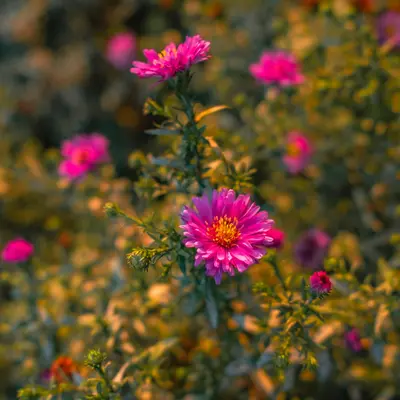
Nicely sized 4-5" blooms in hues of creamy yellow, lemon yellow, red, pink, and bicolor combinations. Dense, well-branched plants produce thin, stiff, 18-24" long stems. While not technically a mixture, Summer Lovin presents a varied range of bloom colors within the lemon/red color palette. Overall, it has a very similar plant type and performance to its sister variety, Daydream Mixture, but offers a different (lemon/red) color range. Good choice for garden beds, farm beautification, mass plantings, and casual bouquets. Branching. Pollenless. Edible Flowers: Flower buds can be fried, and the petals used as a garnish in salads and desserts; the flavor is bittersweet.
Harvest
60-70d
Days to harvest
Sun
Full sun
Zones
2–11
USDA hardiness
Height
1-10 feet
Planting Timeline
Showing dates for Summer Lovin in USDA Zone 7
All Zone 7 flower →Zone Map
Click a state to update dates
Summer Lovin · Zones 2–11
Growing Details
Succession Planting
Summer Lovin blooms in 60-70 days and doesn't rebloom once the head is cut, so a continuous supply of flowers through summer means staggered sowings. In zone 7, direct sow every 3 weeks from April through the end of June — that cadence gets you flushes of bloom into late September. Don't push past a late-June sowing; plants started in peak July heat tend to come in stunted and bloom poorly.
If you're starting indoors, sow in February or March and transplant out in April after your last frost date. Sunflowers don't transplant especially well — tap roots resent disturbance — so use biodegradable pots you can set straight in the ground, and get them out before they go root-bound.
Complete Growing Guide
Summer Lovin sunflowers thrive when direct sown into garden soil after your last frost date, as these annuals dislike root disturbance and germinate quickly in warm soil. You can start seeds indoors in peat pots four to six weeks before your last frost if you prefer an early start, but direct sowing two to three weeks after frost danger passes gives equally impressive results with less transplant shock. Push seeds about three-quarters of an inch deep into warm, well-draining soil, spacing them approximately 12 to 18 inches apart to accommodate the branching habit that makes Summer Lovin special. These sunflowers perform best in loose, fertile soil amended with compost; while they're forgiving plants, rich soil encourages the dense branching and abundant thin stems this variety is known for producing.
Water deeply and consistently during establishment, providing about one inch per week through rainfall or irrigation. Once plants reach 12 inches tall, they become quite drought-tolerant, though regular watering produces bushier plants with more numerous stems. Feed every three to four weeks with a balanced fertilizer once plants are actively growing; avoid excessive nitrogen, which can promote foliage at the expense of blooms. Summer Lovin's pollenless characteristic makes it particularly valuable for cut flowers and arrangements, but this also means they won't attract pollinators as readily as seeded varieties, so don't expect significant bee activity.
Watch for spider mites during hot, dry spells, as Summer Lovin's thin stems and dense branching create humid microclimates that sometimes harbor these pests. Powdery mildew can appear on lower leaves in humid conditions; improve air circulation and remove affected foliage promptly. Head rot occasionally affects tall sunflower varieties in very wet seasons, though Summer Lovin's 18- to 24-inch stems are less prone to this than giant types.
The key technique gardeners miss with Summer Lovin is that light pinching when plants reach 12 inches tall dramatically increases branching and flower production. Pinch out just the top growing tip, and you'll be rewarded with multiple side shoots bearing flowers rather than a single tall stem. This transforms already well-branched plants into even more floriferous specimens perfect for mass plantings and casual bouquets.
Succession planting every two weeks from late spring through mid-summer ensures continuous blooms through fall. At just 60 days to maturity, staggered sowings provide reliable color throughout the season, and the edible flower buds and peppery-sweet petals make successive harvests rewarding both visually and culinarily.
Harvesting
Summer Lovin reaches harvest at 60 - 70 days from sowing per Johnny's Selected Seeds. Expect 4-5" at peak. As an annual, harvest continues until frost ends the season.
Seeds are ovoid and somewhat flattened
Color: Black, Brown/Copper. Type: Achene. Length: < 1 inch. Width: < 1 inch.
Garden value: Edible
Harvest time: Fall
Edibility: Seeds are used for cooking oil, livestock feed, and as a snack food or garnish. Petals are edible and young flower buds can be steamed like artichokes.
Storage & Preservation
For fresh cuts, store Summer Lovin blooms upright in a clean vase with cool, fresh water in a cool room (65-72°F) away from direct sunlight and ripening fruit. Change water every 2-3 days for optimal longevity; blooms typically last 7-10 days. To preserve dried flowers, hang bundles upside down in a warm, dark, well-ventilated space for 2-3 weeks until completely dry, then store in airtight containers. Alternatively, press flowers between heavy books with wax paper for 2-4 weeks to preserve for crafts and arrangements. For edible petals, refrigerate in a paper towel-lined container for 2-3 days.
History & Origin
Summer Lovin is an F1 hybrid developed through controlled cross-pollination. Listed in the Johnny's Selected Seeds catalog.
Origin: Western United States
Advantages
- +Abundant 4-5" blooms in appealing lemon and red color combinations
- +Vigorous branching habit produces many thin, sturdy 18-24" stems
- +Pollenless flowers ideal for households with pollen allergies
- +Edible petals and buds offer culinary and garnish versatility
- +Easy 60-70 day growth cycle suitable for novice gardeners
Considerations
- -Limited color palette compared to true multi-color mixture varieties
- -Tall 18-24" stems may require staking in windy locations
- -Pollenless characteristic eliminates bee pollination and seed production
Companion Plants
Marigolds, Nasturtiums, and Zinnias are the companions worth actually planting near Summer Lovin. French marigold varieties like 'Petite Gold' deter aphids and whiteflies through scent, and their root exudates suppress certain nematode populations below ground. Nasturtiums act as a trap crop — Aphis helianthi goes for them first, pulling pressure off the sunflower buds before they form. Zinnias and Cosmos pull in a different direction: they attract parasitic wasps and hoverflies that prey on soft-bodied insects, and neither competes aggressively for soil moisture at 18-24 inch spacing.
Black Walnut trees and Fennel are the two to keep well away — but for different reasons. Juglone, the compound Black Walnuts release through their roots and decomposing leaf litter, is documented by NC State Extension as toxic to sunflowers; plants growing within 50-60 feet of a walnut can wilt and stall with no other obvious cause. Fennel is a simpler problem: it exudes allelopathic compounds from its roots that suppress germination and slow growth in most neighboring annuals, and sunflowers are not an exception.
Plant Together
Marigolds
Repel nematodes, aphids, and other pests while attracting beneficial insects
Sweet Alyssum
Attracts beneficial insects like hoverflies and parasitic wasps that control pests
Nasturtiums
Act as trap crops for aphids and cucumber beetles while repelling squash bugs
Lavender
Repels moths, fleas, and mosquitoes while attracting pollinators
Petunias
Repel aphids, tomato hornworms, and asparagus beetles
Zinnia
Attract beneficial predatory insects and provide habitat for pest controllers
Cosmos
Attract beneficial insects and provide natural pest control through companion diversity
Sunflowers
Attract beneficial birds and insects while providing natural support structure
Keep Apart
Black Walnut Trees
Release juglone toxin that inhibits growth and can kill sensitive flowering plants
Eucalyptus
Releases allelopathic compounds that suppress growth of nearby flowering plants
Fennel
Produces allelopathic chemicals that inhibit germination and growth of most garden flowers
Troubleshooting Summer Lovin
What you'll see, why it happens, and what to do about it.
Seedling stems pinched off at soil level, entire plant toppled overnight
Likely Causes
- Cutworms (Agrotis spp.) — larvae hide in soil during the day and feed at night
- Damping off (Pythium or Rhizoctonia spp.) if stems are also mushy or water-soaked at the base
What to Do
- 1.Press a cardboard or aluminum foil collar 2 inches into the soil around each seedling stem at transplant time
- 2.If you're seeing this indoors before transplant, improve airflow and back off watering — damping off thrives in wet, stagnant conditions
- 3.For cutworms outdoors, scratch a ring of diatomaceous earth around the base of each plant and reapply after rain
Leaves covered in white or gray powdery coating, usually appearing mid-summer
Likely Causes
- Powdery mildew (Erysiphe cichoracearum) — common on sunflowers in warm, humid weather with poor airflow
- Crowded spacing that traps moisture against the foliage
What to Do
- 1.Space plants at least 18 inches apart — 24 inches is better if you've had mildew problems before
- 2.Strip badly affected leaves and dispose of them in the trash, not the compost pile
- 3.Spray with a diluted potassium bicarbonate solution (1 tablespoon per gallon of water) every 7 days until symptoms stop spreading
Flower heads drooping or failing to open, with small gray-brown insects clustered on buds
Likely Causes
- Sunflower headclipping weevil (Haplorhynchites aeneus) — adults sever the peduncle just below the bud
- Heavy aphid (Aphis helianthi) infestation drawing down the plant's energy before bloom
What to Do
- 1.Knock aphids off with a firm stream of water; repeat every 2-3 days until populations drop
- 2.For weevils, handpick adults from buds in the early morning when they're sluggish and drop them in soapy water
- 3.Rotate Summer Lovin to a new bed location each year — both pests overwinter in soil near previous plantings
Frequently Asked Questions
How long do Summer Lovin cut flowers last in a vase?▼
Can you grow Summer Lovin in containers?▼
Is Summer Lovin a good choice for beginners?▼
What do Summer Lovin petals taste like?▼
When should I plant Summer Lovin seeds?▼
How does Summer Lovin compare to Daydream Mixture?▼
Zone-by-Zone Planting Calendar
| Zone | Indoor Start | Transplant | Direct Sow | Harvest |
|---|---|---|---|---|
| Zone 1 | May – June | July – August | July – September | — |
| Zone 2 | April – May | June – July | June – August | — |
| Zone 11 | January – January | January – February | January – March | — |
| Zone 12 | January – January | January – February | January – March | — |
| Zone 13 | January – January | January – February | January – March | — |
| Zone 3 | April – May | June – July | June – August | — |
| Zone 4 | March – April | June – June | June – July | — |
| Zone 5 | March – April | May – June | May – July | — |
| Zone 6 | March – April | May – June | May – July | — |
| Zone 7 | February – March | April – May | April – June | — |
| Zone 8 | February – March | April – May | April – June | — |
| Zone 9 | January – February | March – April | March – May | — |
| Zone 10 | January – January | February – March | February – April | — |
Growing Guides from Wind River Greens
Sources & References
External authority sources used in compiling this guide.
- BreederJohnny's Selected Seeds
See the Methodology page for how this data is sourced, what's AI-assisted, and known limitations.