Starburst™ Greenburst DMR
Helianthus annuus
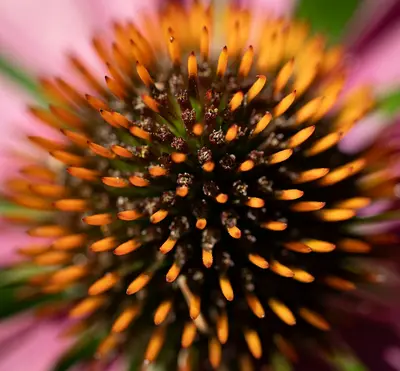
Wikimedia Commons via Common sunflower
Golden-yellow petals surround green centers. 4-6" blooms on 12-24" stems. Downy mildew-resistant plants have a sturdy, branching habit. Pollenless. NOTE: Downy mildew in sunflowers persists in infected soils and is especially problematic in cool, wet soils. Symptoms include damping-off, stunted plants, yellowing leaves, and the presence of downy, white mildew on the undersides of the leaves.
Harvest
60-65d
Days to harvest
Sun
Full sun
Zones
2–11
USDA hardiness
Height
1-10 feet
Planting Timeline
Showing dates for Starburst™ Greenburst DMR in USDA Zone 7
All Zone 7 flower →Zone Map
Click a state to update dates
Starburst™ Greenburst DMR · Zones 2–11
Growing Details
Succession Planting
Starburst Greenburst puts out one main flush per stem — it's not a cut-and-come-again type. To keep flowers coming from late spring through early fall, direct sow a fresh row every 14–21 days starting April 1 through June 15 in zone 7. At 60–65 days to bloom, a mid-June sowing finishes in late August before heat starts degrading flower quality.
Once daytime highs hold consistently above 90°F, germination gets erratic and young seedlings struggle to size up before stress sets in. A final sowing around June 10–15 is the practical cutoff — you'll still get blooms into September without fighting the worst of summer.
Complete Growing Guide
Starburst™ Greenburst DMR sunflowers are best started through direct sowing after your last frost date, as they prefer to avoid transplant shock. Plant seeds directly into the garden once soil temperatures reach at least 50°F and all danger of frost has passed. If you prefer an early start, you can sow seeds indoors 3-4 weeks before your last frost date in peat pots, planting them outdoors once conditions warm. Sow seeds about ¾ inch deep in loose, well-draining soil enriched with compost.
Space seeds 6-12 inches apart for the branching habit this variety is known for, allowing adequate air circulation around each plant. Thinning seedlings to the wider spacing will produce fuller, more robust plants with better stem strength. Sunflowers tolerate average soil but perform best in neutral to slightly alkaline conditions. Prepare beds by removing rocks and breaking up compacted soil; avoid overly rich nitrogen-heavy amendments, which encourage excessive vegetative growth at the expense of blooms.
Water deeply and consistently, providing about 1-1.5 inches weekly through rainfall or irrigation. Keep the soil evenly moist but not waterlogged, especially during the first three weeks of growth. Once established, this variety becomes fairly drought-tolerant, though regular watering produces superior flowering. Feed with a balanced, slow-release fertilizer at planting, and provide a light liquid feeding every 3-4 weeks during the growing season, or scratch in compost around the base mid-season.
The defining feature of Starburst™ Greenburst DMR is its downy mildew resistance, which is critical since downy mildew presents a serious problem in sunflowers, particularly in cool, wet conditions. Even with resistance genes, watch for early warning signs including damping-off in seedlings, stunted growth, yellowing leaves, and white, downy patches on leaf undersides. The resistance is most effective when combined with good cultural practices: ensure excellent drainage, avoid overhead watering, and provide strong air circulation. Rotate planting locations yearly, as downy mildew spores can persist in infected soil. Monitor regularly and remove any affected leaves promptly.
Pinching the main stem when plants reach 12-15 inches tall encourages the branching characteristic this variety is bred to display, resulting in more flowering stems and a bushier plant. This technique is especially worthwhile for Starburst™ Greenburst DMR since branching is one of its defining traits. No staking is typically needed given the sturdy growth habit, though windy locations may benefit from light support.
Many gardeners struggle with overwatering sunflowers in cool weather, which creates the exact conditions downy mildew thrives in. Resist the urge to water frequently if your region experiences spring rain or cool temperatures. The resistance in this variety is valuable only when paired with restraint in irrigation—allow the soil surface to dry slightly between waterings, especially early in the season.
Harvesting
Starburst™ Greenburst DMR reaches harvest at 60 - 65 days from sowing per Johnny's Selected Seeds. Expect 4-6" at peak. As an annual, harvest continues until frost ends the season.
Seeds are ovoid and somewhat flattened
Color: Black, Brown/Copper. Type: Achene. Length: < 1 inch. Width: < 1 inch.
Garden value: Edible
Harvest time: Fall
Edibility: Seeds are used for cooking oil, livestock feed, and as a snack food or garnish. Petals are edible and young flower buds can be steamed like artichokes.
Storage & Preservation
Fresh cut sunflowers should be displayed in clean vases filled with cool water at room temperature (65-72°F). Keep out of direct sunlight and away from ripening fruit. Change water every 2-3 days and recut stems at an angle. Blooms typically last 7-12 days as cut flowers. For preservation, air-dry by hanging upside down in a warm, dark, well-ventilated space for 2-3 weeks. Alternatively, press flowers between heavy books or in a flower press for 2-4 weeks to preserve for crafts and arrangements. Silica gel drying offers faster results (3-7 days) while maintaining color vibrancy.
History & Origin
Starburst™ Greenburst DMR is an F1 hybrid developed through controlled cross-pollination. Listed in the Johnny's Selected Seeds catalog.
Origin: Western United States
Advantages
- +Golden-yellow petals with striking green centers create unique visual appeal.
- +Compact 12-24" stems ideal for containers and smaller garden spaces.
- +Downy mildew resistance reduces disease pressure in susceptible growing conditions.
- +Pollenless variety makes it safer for allergy-sensitive gardeners and households.
- +Quick 60-65 day maturity enables succession planting for continuous blooms.
Considerations
- -Downy mildew resistance requires well-draining soil to prevent persistence issues.
- -Cool, wet conditions still pose damping-off risks despite mildew resistance.
- -Shorter stems limit cut flower arrangements compared to standard sunflower varieties.
Companion Plants
Marigolds (Tagetes spp.) are the most practical companion here — they deter aphids and whiteflies without competing hard at the 6–8 inch root depth where sunflowers do most of their early feeding. Nasturtiums pull double duty as a trap crop for aphids and black bean beetles, drawing them away from the sunflower stems. Sweet alyssum brings in parasitic wasps that prey on painted lady caterpillars, which NC State Extension flags as a genuine sunflower pest. Skip fennel entirely: its root exudates stunt most nearby plants, and in our zone 7 Georgia garden it self-seeds so aggressively that one overlooked plant turns into twelve by August.
Plant Together
Marigolds
Repel nematodes, aphids, and whiteflies while attracting beneficial insects
Nasturtiums
Act as trap crops for aphids and cucumber beetles, plus attract pollinators
Sweet Alyssum
Attracts beneficial insects like hoverflies and parasitic wasps for pest control
Petunias
Repel aphids, tomato hornworms, and other garden pests naturally
Lavender
Deters moths, fleas, and mosquitoes while attracting pollinators
Zinnia
Attracts butterflies and beneficial insects, creates pollinator-friendly garden
Catnip
Repels mosquitoes, ants, and aphids more effectively than many commercial repellents
Cosmos
Attracts beneficial insects and provides complementary colors and textures
Keep Apart
Black Walnut
Produces juglone toxin that inhibits growth and can kill sensitive flowering plants
Eucalyptus
Releases allelopathic compounds that suppress growth of nearby plants
Fennel
Inhibits growth of most garden plants through allelopathic root secretions
Pests & Disease Resistance
Common Pests
Sunflower beetles, painted lady caterpillars, sunflower maggots, spider mites
Diseases
Downy mildew (resistant), rust, Sclerotinia rot, Alternaria leaf spot
Troubleshooting Starburst™ Greenburst DMR
What you'll see, why it happens, and what to do about it.
Leaves show pale yellow patches on top surface with grayish-purple fuzzy growth underneath, usually in cool, wet spring weather
Likely Causes
- Downy mildew (Plasmopara halstedii) — the DMR trait in Starburst Greenburst reduces susceptibility but doesn't eliminate it; a wet April with sustained humidity can still push through partial infection
- Poor airflow from spacing tighter than 18 inches
What to Do
- 1.Space plants at least 18 inches apart — crowding is the fastest way to override the DMR trait
- 2.Strip affected leaves and dispose of them in the trash, not the compost pile
- 3.If symptoms spread despite spacing corrections, apply a copper-based fungicide and stop overhead watering; switch to drip or base watering
Stem near the soil line turns brown and mushy, sometimes with white cottony growth visible, and the plant collapses — usually mid-season
Likely Causes
- Sclerotinia rot (Sclerotinia sclerotiorum) — a soil-borne fungus that persists for years in the form of hard black sclerotia and flares up in cool, moist conditions
- Beds staying consistently wet from overwatering or poor drainage
What to Do
- 1.Pull and trash the entire affected plant immediately — Sclerotinia moves through soil contact fast
- 2.Let the bed dry out between waterings; sunflowers want moderate moisture, not wet feet day after day
- 3.Rotate that bed away from sunflowers, beans, and other Sclerotinia hosts for at least 2 seasons
Frequently Asked Questions
How long do Starburst Greenburst DMR sunflowers last as cut flowers?▼
Is Starburst Greenburst DMR good for beginning gardeners?▼
Can you grow Starburst Greenburst DMR sunflowers in containers?▼
When should I plant Starburst Greenburst DMR sunflower seeds?▼
What does the Starburst Greenburst DMR sunflower look like?▼
What is downy mildew and how does the DMR resistance help?▼
Zone-by-Zone Planting Calendar
| Zone | Indoor Start | Transplant | Direct Sow | Harvest |
|---|---|---|---|---|
| Zone 3 | April – May | June – July | June – August | — |
| Zone 4 | March – April | June – June | June – July | — |
| Zone 5 | March – April | May – June | May – July | — |
| Zone 6 | March – April | May – June | May – July | — |
| Zone 7 | February – March | April – May | April – June | — |
| Zone 8 | February – March | April – May | April – June | — |
| Zone 9 | January – February | March – April | March – May | — |
| Zone 10 | January – January | February – March | February – April | — |
| Zone 1 | May – June | July – August | July – September | — |
| Zone 2 | April – May | June – July | June – August | — |
| Zone 11 | January – January | January – February | January – March | — |
| Zone 12 | January – January | January – February | January – March | — |
| Zone 13 | January – January | January – February | January – March | — |
Growing Guides from Wind River Greens
Sources & References
External authority sources used in compiling this guide.
- BreederJohnny's Selected Seeds
See the Methodology page for how this data is sourced, what's AI-assisted, and known limitations.