Solano® Double
Helianthus annuus
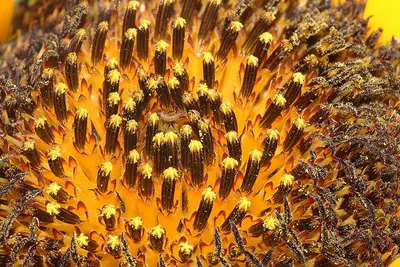
Wikimedia Commons via Common sunflower
4-7" wide, Teddy Bear-type, bright gold blooms with green centers. Compared to Double Quick Orange, Solano Double is earlier to flower, more uniform, and a bit shorter. Pollenless. Single stem.
Harvest
60-65d
Days to harvest
Sun
Full sun
Zones
2–11
USDA hardiness
Height
1-10 feet
Planting Timeline
Showing dates for Solano® Double in USDA Zone 7
All Zone 7 flower →Zone Map
Click a state to update dates
Solano® Double · Zones 2–11
Growing Details
Succession Planting
Solano Double is a cut-and-come-again type, but each stem still terminates in one primary head — so staggered sowings matter if you want continuous blooms rather than a single big flush. Direct sow every 14–21 days from April through mid-June (zone 7). That cadence gives you overlapping harvests from roughly late June through September. Don't push past late June for your final sowing; plants started in July will hit their bloom window in September when day length is already shortening, and you'll get smaller heads on weaker stems.
Germination is quick — typically 7–10 days in soil above 60°F — so there's little advantage to starting indoors unless you're chasing a very early season. A February or March indoor sow for April transplant works, but sunflowers are tap-rooted and don't handle root disturbance well. Use biodegradable pots you can plant directly and skip bare-root transplanting altogether.
Complete Growing Guide
Solano® Double sunflowers are best started by direct sowing seeds into the garden after your last frost date has passed, as they germinate quickly and resent transplanting. Sow seeds about one inch deep directly into prepared soil when soil temperatures reach at least 50°F, though they prefer warmer conditions around 70°F for optimal germination. If you prefer to get a head start in cooler climates, sow indoors three to four weeks before your last frost date in biodegradable pots that can go directly into the ground, minimizing root disturbance. Since Solano® Double reaches only 18 inches tall on average, timing isn't as critical as with taller varieties—you have more flexibility in sowing dates without sacrificing the full-season bloom window.
Prepare your planting area by mixing in compost or well-draining potting soil to a depth of at least eight inches. Space seeds or seedlings 12 to 18 inches apart; while Solano® Double is compact compared to other double sunflowers, proper spacing ensures good air circulation and prevents the dense, double blooms from creating humidity pockets that encourage fungal issues. Direct sowing at a depth of one inch works best—too shallow and seeds may dry out, too deep and germination suffers. These sunflowers prefer full sun with at least six to eight hours of direct light daily, which intensifies the bright gold color of their Teddy Bear-type petals.
Water consistently throughout the growing season, providing about one inch per week through rainfall or irrigation. Solano® Double is relatively drought-tolerant once established, but consistent moisture produces more robust stems and fuller double blooms. During the hottest weeks, you may need to water twice weekly. Feed with a balanced, slow-release fertilizer at planting time; additional feeding isn't usually necessary unless your soil is particularly poor. Avoid high-nitrogen fertilizers, which promote foliage at the expense of flowering.
Watch closely for spider mites, which particularly favor the dense foliage of double-flowered types and can stipple the leaves badly by mid-season. Regular misting and adequate spacing help prevent infestations. Powdery mildew can also affect the pollenless blooms more readily since the flowers stay open longer without natural drying from pollen. Remove any affected lower leaves promptly and ensure good air circulation.
Since Solano® Double produces a single, strong main stem rather than branching plants, succession planting every two weeks allows continuous blooms throughout the season. Deadheading spent flowers encourages the plant to produce larger subsequent blooms, extending the flowering window beyond the standard 60 days to first bloom.
The one thing gardeners most often overlook is giving Solano® Double adequate support early on. Despite their modest height, the heavy double blooms create top-heavy plants that benefit from staking or gentle support once buds form, preventing stem bending during wind or heavy rain.
Harvesting
Solano® Double reaches harvest at 60 - 65 days from sowing per Johnny's Selected Seeds. Expect 4-7" at peak. As an annual, harvest continues until frost ends the season.
Seeds are ovoid and somewhat flattened
Color: Black, Brown/Copper. Type: Achene. Length: < 1 inch. Width: < 1 inch.
Garden value: Edible
Harvest time: Fall
Edibility: Seeds are used for cooking oil, livestock feed, and as a snack food or garnish. Petals are edible and young flower buds can be steamed like artichokes.
Storage & Preservation
For fresh Solano Double cut flowers, store upright in a clean vase with cool water (65-72°F) in a cool location away from direct sunlight and ripening fruit. Change water every 2-3 days and recut stems at an angle. Vase life typically lasts 7-10 days. For preservation: air-dry by hanging stems upside-down in a dark, well-ventilated area (2-3 weeks) to maintain color and form; press individual petals between parchment paper under weight for 1-2 weeks for botanical crafts; or silica gel dry flowers in an airtight container for 7-10 days to preserve shape and vibrant gold color.
History & Origin
Solano® Double is an F1 hybrid developed through controlled cross-pollination. Listed in the Johnny's Selected Seeds catalog.
Origin: Western United States
Advantages
- +Bright gold teddy bear blooms create cheerful, long-lasting arrangements and displays.
- +Early 60-65 day maturity allows multiple successions or fall harvest windows.
- +Pollenless flowers reduce mess indoors and suit allergy-sensitive environments well.
- +Uniform height and timing simplify garden planning and commercial production scheduling.
- +Single stems eliminate branching work, streamlining cutting and arrangement preparation.
Considerations
- -Limited stem length may require support stakes in windy garden locations.
- -Teddy bear doubles susceptible to botrytis in humid or wet conditions.
- -Smaller 4-7" blooms suit arrangements less than giant varieties for impact.
Companion Plants
Marigolds (Tagetes spp.) are probably the most useful thing you can tuck around Solano Double. They emit thiophenes from their roots, which suppress soil nematodes, and their scent disrupts aphids scouting for a host plant. Nasturtiums pull double duty — they draw aphids away from your sunflowers as a trap crop while also attracting hoverflies, whose larvae eat those same aphid colonies. Alyssum works differently: its small, densely packed flowers are a reliable nectar source for parasitic wasps, which parasitize caterpillars and aphid populations. None of this eliminates pest pressure, but planting all three within a few feet of your sunflowers means beneficial insects have a reason to stick around.
Zinnias and cosmos are worth including less for pest management and more for practical fit — they share Solano Double's preference for full sun and moderate water, so there's no competition for resources, and they extend pollinator traffic across a cutting bed without any of the cultural conflicts you'd get from mixing in heavier feeders or shade-tolerant plants.
The harmful companions are straightforward chemistry. Black walnut (Juglans nigra) produces juglone — a compound that leaches from roots and leaf litter and is broadly toxic to sunflowers; 50 feet of separation is the minimum NC State Extension recommends. Eucalyptus releases allelopathic compounds through decomposing leaf litter that suppress seed germination. Fennel (Foeniculum vulgare) is broadly allelopathic and does poorly next to almost everything; it's best grown in its own isolated container or bed corner, nowhere near a cutting patch.
Plant Together
Marigolds
Repel nematodes, aphids, and whiteflies while attracting beneficial insects
Nasturtiums
Act as trap crops for aphids and cucumber beetles, also repel squash bugs
Alyssum
Attracts beneficial insects like lacewings and hoverflies that prey on pests
Zinnias
Attract pollinators and beneficial predatory insects while providing color contrast
Cosmos
Draw beneficial insects and provide structural diversity without competing for nutrients
Lavender
Repels moths, fleas, and mosquitoes while attracting pollinators
Petunias
Natural pest deterrent against aphids, tomato hornworms, and squash bugs
Catnip
Repels mosquitoes, ants, and rodents more effectively than DEET
Keep Apart
Black Walnut
Produces juglone toxin that inhibits growth and can kill sensitive flowering plants
Eucalyptus
Releases allelopathic compounds that suppress growth of nearby plants
Fennel
Inhibits growth of most garden plants through allelopathy and attracts pests
Troubleshooting Solano® Double
What you'll see, why it happens, and what to do about it.
Seedling stems pinched off at soil level, whole plant toppled over
Likely Causes
- Damping off (Pythium or Rhizoctonia spp.) — fungal rot triggered by overwatering or poor drainage
- Cutworms (Agrotis spp.) — moth larvae that cut stems at night, just below the soil surface
What to Do
- 1.Check the base of the stem: if it's mushy and discolored, it's damping off — don't replant in the same spot without amending drainage first
- 2.If the stem is cleanly cut and the soil is dry, dig around the base and look for a gray-brown caterpillar; drop it in soapy water
- 3.Wrap a cardboard collar around future seedlings at transplant, pushed 1 inch into the soil, to block cutworm access
Leaves covered in white powdery coating, starting on upper leaf surfaces in mid to late summer
Likely Causes
- Powdery mildew (Erysiphe cichoracearum) — a fungal pathogen that thrives in warm days and cool nights, common on Helianthus annuus
- Overcrowded planting that restricts airflow
What to Do
- 1.Remove the worst-affected leaves and dispose of them — not in the compost
- 2.Apply a diluted neem oil spray (2 tsp neem per quart of water with a drop of dish soap) every 7 days until symptoms stop spreading
- 3.Space plants at least 12–18 inches apart next time; crowding makes this almost inevitable by August
Sunflower heads bent or drooping before full bloom, with small holes or dark frass visible on the stem
Likely Causes
- Sunflower stem weevil (Cylindrocopturus adspersus) — larvae bore into the stalk, weakening it structurally
- Sunflower moth (Homoeosoma electellum) larvae feeding inside the developing head
What to Do
- 1.Cut the bent stem a few inches below the damage and inspect the cross-section for tunneling or larvae
- 2.For stem weevil, there's no effective mid-season chemical fix — remove and bag affected stems to reduce next year's population
- 3.Row cover over young plants before adults lay eggs (around the time flower buds first form) is the most reliable preventive measure
Leaves stippled with tiny pale dots, undersides look dusty or have fine webbing, plants look dull and stressed in hot dry spells
Likely Causes
- Two-spotted spider mite (Tetranychus urticae) — population explosions happen fast when temperatures stay above 85°F and rainfall is low
- Water stress, which makes plants more susceptible to mite colonization
What to Do
- 1.Spray the undersides of leaves forcefully with water — a strong jet from a hose knocks mites off and disrupts reproduction
- 2.If infestation is heavy, apply insecticidal soap every 5–7 days; cover the leaf undersides, which is where the mites actually live
- 3.Keep plants consistently watered during hot stretches; drought-stressed sunflowers attract mites faster than healthy ones
Frequently Asked Questions
How long do Solano Double flowers last in a vase?▼
Is Solano Double a good choice for beginner growers?▼
Can you grow Solano Double flowers in containers?▼
How many days until Solano Double flowers bloom?▼
What makes Solano Double different from Double Quick Orange?▼
Are Solano Double flowers suitable for cutting?▼
Zone-by-Zone Planting Calendar
| Zone | Indoor Start | Transplant | Direct Sow | Harvest |
|---|---|---|---|---|
| Zone 1 | May – June | July – August | July – September | — |
| Zone 2 | April – May | June – July | June – August | — |
| Zone 11 | January – January | January – February | January – March | — |
| Zone 12 | January – January | January – February | January – March | — |
| Zone 13 | January – January | January – February | January – March | — |
| Zone 3 | April – May | June – July | June – August | — |
| Zone 4 | March – April | June – June | June – July | — |
| Zone 5 | March – April | May – June | May – July | — |
| Zone 6 | March – April | May – June | May – July | — |
| Zone 7 | February – March | April – May | April – June | — |
| Zone 8 | February – March | April – May | April – June | — |
| Zone 9 | January – February | March – April | March – May | — |
| Zone 10 | January – January | February – March | February – April | — |
Growing Guides from Wind River Greens
Sources & References
External authority sources used in compiling this guide.
- BreederJohnny's Selected Seeds
See the Methodology page for how this data is sourced, what's AI-assisted, and known limitations.