Rudbeckia Goldstrum
Rudbeckia fulgida var. sullivantii 'Goldsturm'
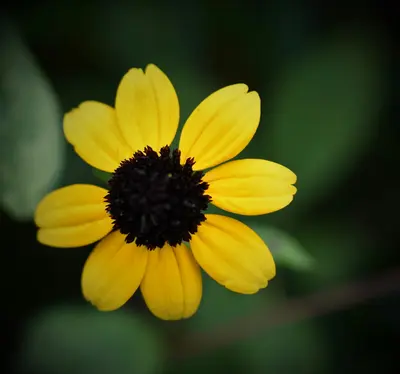
This Perennial Plant Association Hall of Fame winner delivers an incredible show of bright golden-yellow daisy-like flowers with prominent dark centers from summer through fall. Goldsturm is virtually maintenance-free, drought tolerant once established, and attracts beneficial pollinators while providing seeds for birds in winter. It's the perfect choice for naturalizing and creates stunning mass plantings in sunny borders.
Sun
Full sun
Zones
3–9
USDA hardiness
Height
2-3 feet
Planting Timeline
Showing dates for Rudbeckia Goldstrum in USDA Zone 7
All Zone 7 flower →Zone Map
Click a state to update dates
Rudbeckia Goldstrum · Zones 3–9
Growing Details
Complete Growing Guide
Light: Full sun (6 or more hours of direct sunlight a day). Soil: Clay, Shallow Rocky. Drainage: Good Drainage, Moist, Occasionally Dry. Height: 2 ft. 0 in. - 3 ft. 0 in.. Spread: 1 ft. 0 in. - 2 ft. 0 in.. Spacing: 12 inches-3 feet. Growth rate: Rapid. Maintenance: Low. Propagation: Division, Seed. Regions: Coastal, Mountains, Piedmont.
Harvesting
Rudbeckia Goldsturm flowers reach peak readiness when the golden-yellow petals have fully unfurled and the dark cone center becomes prominent and slightly raised, typically 7-10 days after the flower opens. Gently squeeze the stem near the bloom; if it feels firm rather than soft, the flower is ready for cutting. This cultivar exhibits a continuous-harvest pattern, meaning you can cut flowers throughout summer and fall as they bloom in succession rather than all at once. For extended vase life and maximum garden display, harvest flowers in early morning when stems are fully hydrated, cutting just above a set of healthy leaves to encourage branching and subsequent blooms from lateral buds.
Harvest time: Fall
History & Origin
Goldsturm emerged in the 1980s as a selection of Rudbeckia fulgida var. sullivantii, though precise breeder attribution remains elusive in readily available horticultural records. The variety likely arose from German nursery breeding programs, as similar golden-yellow cultivars were being developed and refined in European gardens during this period. It represents a continuation of the Rudbeckia fulgida breeding line, which had been cultivated for ornamental purposes throughout the twentieth century. The cultivar's exceptional vigor and prolific flowering made it an ideal candidate for commercial introduction, leading to its rapid adoption by the nursery trade and subsequent recognition as a Perennial Plant Association Hall of Fame selection, cementing its status as a reliable garden standard.
Origin: Eastern United States
Advantages
- +Attracts: Butterflies, Pollinators, Songbirds
- +Fast-growing
- +Low maintenance
Companion Plants
Purple Coneflower (Echinacea) and Asters are the most practical pairings — they share the same full-sun, low-water needs and bloom in overlapping windows, so you get a longer pollinator season without any competition for root space. Ornamental grasses and Sedum round out a low-maintenance bed for the same reason: compatible water requirements, no allelopathic chemistry. Black Walnut is a genuine problem; juglone toxicity from its roots has been documented to stunt or kill Rudbeckia within the tree's drip zone, so don't plant Goldsturm anywhere near one. Mint is a different issue — it's not toxic, it just spreads fast enough to physically swamp a clump within a single season.
Plant Together
Purple Coneflower (Echinacea)
Similar growing conditions, attracts beneficial pollinators, creates striking color contrast
Black-Eyed Susan (Rudbeckia fulgida)
Extended bloom season together, shared pollinators, similar maintenance needs
Bee Balm (Monarda)
Attracts beneficial insects and hummingbirds, helps deter harmful pests
Sedum
Complementary late-season blooms, attracts butterflies, provides structural contrast
Ornamental Grasses
Provides textural contrast, supports beneficial insects, creates natural windbreak
Asters
Extends pollinator season into fall, similar soil preferences, natural prairie companions
Catmint (Nepeta)
Repels aphids and ants, long blooming period complements Rudbeckia
Yarrow (Achillea)
Attracts beneficial predatory insects, drought tolerant with similar needs
Keep Apart
Black Walnut Tree
Produces juglone which is toxic to many plants including Rudbeckia
Fennel
Allelopathic properties inhibit growth of nearby flowering plants
Mint
Aggressive spreader that competes for resources and can overwhelm Rudbeckia
Pests & Disease Resistance
Resistance
Excellent disease resistance, very robust and healthy
Common Pests
Aphids, leaf miners, slugs (rarely problematic)
Diseases
Powdery mildew in humid conditions, crown rot in wet soils
Troubleshooting Rudbeckia Goldstrum
What you'll see, why it happens, and what to do about it.
White powdery coating on upper leaf surfaces, usually appearing mid-summer when nights cool down and humidity climbs
Likely Causes
- Powdery mildew (Erysiphe cichoracearum) — fungal, spreads by airborne spores, worsened by poor airflow
- Plants crowded closer than 12 inches, or sited against a wall that traps humidity
What to Do
- 1.Thin or divide clumps so each plant has at least 12-18 inches of breathing room
- 2.Spray affected foliage with a diluted neem oil solution (2 tsp per quart of water) every 7-10 days until symptoms stop spreading
- 3.Cut the whole clump back hard after bloom — late-season mildew on Rudbeckia rarely kills the plant, and fresh basal growth will come in clean
Plants wilting and collapsing at the crown despite adequate soil moisture, with dark, mushy stem tissue at the soil line
Likely Causes
- Crown rot (Phytophthora or Pythium spp.) — almost always triggered by poorly drained soil or overwatering in clay
- Planting too deep, burying the crown below grade
What to Do
- 1.Dig and discard infected plants — don't compost them
- 2.Amend the bed with coarse grit or perlite before replanting; Goldsturm wants 0.5-1 inch of water per week, not more, and it wants to drain fast
- 3.In heavy clay, plant on a slight raised mound so the crown sits just above the surrounding soil level
Frequently Asked Questions
How long does Rudbeckia Goldstrum take to bloom from seed?▼
Can you grow Rudbeckia Goldstrum in containers?▼
When should I divide Rudbeckia Goldstrum?▼
Is Rudbeckia Goldstrum good for beginners?▼
Does Rudbeckia Goldstrum spread aggressively?▼
What's the difference between Goldstrum and other black-eyed Susans?▼
Zone-by-Zone Planting Calendar
| Zone | Indoor Start | Transplant | Direct Sow | Harvest |
|---|---|---|---|---|
| Zone 1 | May – June | July – August | July – September | — |
| Zone 2 | April – May | June – July | June – August | — |
| Zone 11 | January – January | January – February | January – March | — |
| Zone 12 | January – January | January – February | January – March | — |
| Zone 13 | January – January | January – February | January – March | — |
| Zone 3 | April – May | June – July | June – August | — |
| Zone 4 | March – April | June – June | June – July | — |
| Zone 5 | March – April | May – June | May – July | — |
| Zone 6 | March – April | May – June | May – July | — |
| Zone 7 | February – March | April – May | April – June | — |
| Zone 8 | February – March | April – May | April – June | — |
| Zone 9 | January – February | March – April | March – May | — |
| Zone 10 | January – January | February – March | February – April | — |
Growing Guides from Wind River Greens
Sources & References
External authority sources used in compiling this guide.
- ExtensionNC State Extension
See the Methodology page for how this data is sourced, what's AI-assisted, and known limitations.