Rouge Royale
Helianthus annuus
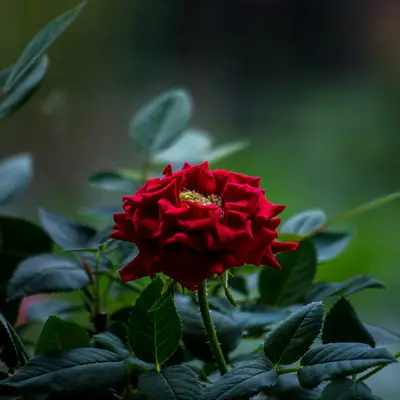
A pollenless branching variety with 3-6" blooms that are a hit with everyone. Use in bouquets mixed with contrasting colors. Side stems are thinner, yet stronger than most other branching varieties, averaging 30". Formerly known as Moulin R. Pollenless.
Harvest
55-65d
Days to harvest
Sun
Full sun
Zones
2–11
USDA hardiness
Height
1-10 feet
Planting Timeline
Showing dates for Rouge Royale in USDA Zone 7
All Zone 7 flower →Zone Map
Click a state to update dates
Rouge Royale · Zones 2–11
Growing Details
Succession Planting
Rouge Royale is a single-stem hybrid — one plant, one bloom. To keep a steady supply of cut flowers rather than one big flush, direct sow every 14-21 days from your last frost date through mid-summer. In zone 7, that window runs roughly April through late June. Stop sowing once daytime highs are consistently above 90°F; germination gets spotty and plants rush to bloom before putting on much height.
In cooler zones (5-6), you can push the final sowing into early July. In warmer zones (8-9), pull your cutoff back to late May or early June so the last round matures before heat drags on into fall. Each succession takes 55-65 days to bloom — work backward from your first expected frost to find your hard stop date.
Complete Growing Guide
Rouge Royale sunflowers thrive when direct sown into the garden after all danger of frost has passed and soil temperatures reach at least 50°F. Since this variety has a 55-day harvest window, count backward from your desired bloom time to determine your sowing date. You can also start seeds indoors 3-4 weeks before your last frost date, though direct sowing is generally preferred for sunflowers as they dislike transplanting. Plant seeds one inch deep in warm soil, spacing them 12-18 inches apart depending on whether you want a single stem or multiple branching stems. Rouge Royale's branching habit rewards closer spacing, as the thinner side stems will develop more readily with adequate air circulation and less competition for root space.
Prepare your planting bed with well-draining soil amended with compost, as Rouge Royale doesn't demand rich fertility but benefits from loose, friable earth that won't compact around developing roots. Full sun exposure is essential—aim for at least eight hours daily, though ten or more is ideal for this prolific bloomer. Water deeply but infrequently, allowing the top inch of soil to dry between waterings. Once established, Rouge Royale is remarkably drought-tolerant, though consistent moisture during flowering encourages larger blooms and stronger side stems. Feed monthly with a balanced fertilizer once plants reach 12 inches tall, switching to lower nitrogen formulas as flowering approaches to emphasize blooms over foliage.
The pollenless characteristic of Rouge Royale brings a major advantage for cut flower use and indoor arrangements, but it also means you must remain vigilant against aphids and spider mites, which find the pollen-free blooms irresistibly attractive for shelter. Scout plants weekly and spray insecticidal soap at the first sign of infestation. Powdery mildew can develop on dense branching plants with poor air circulation, so space adequately and avoid overhead watering. Rust occasionally appears on older foliage but rarely threatens overall plant health in this variety.
Pruning the main central stem when plants reach 12-18 inches tall will encourage vigorous branching and maximize the 3-6 inch bloom production that makes Rouge Royale so popular for bouquets. Remove only the growing tip rather than stripping lower leaves, which support the plant's vigor. Succession plant every two weeks for continuous blooms throughout the season. The substantial 30-inch side stems rarely require staking despite their thinner appearance, but supporting them loosely with twine can prevent damage in windy locations.
The single most common mistake gardeners make with Rouge Royale is overwatering, particularly during the establishment phase. Unlike many vegetables, these branching sunflowers actually produce stronger stems and more prolific flowering under slightly drier conditions. Trust the plant's resilience and water only when soil moisture is genuinely depleted. This restraint rewards you with exceptional quality blooms perfect for cutting.
Harvesting
Rouge Royale reaches harvest at 55 - 65 days from sowing per Johnny's Selected Seeds. Expect 3-6" at peak. As an annual, harvest continues until frost ends the season.
Seeds are ovoid and somewhat flattened
Color: Black, Brown/Copper. Type: Achene. Length: < 1 inch. Width: < 1 inch.
Garden value: Edible
Harvest time: Fall
Edibility: Seeds are used for cooking oil, livestock feed, and as a snack food or garnish. Petals are edible and young flower buds can be steamed like artichokes.
Storage & Preservation
Store fresh cut blooms in a cool location (50-55°F) away from direct sunlight and ripening fruit, which emit ethylene gas. Keep stems in fresh, clean water and change water every 2-3 days for optimal vase life of 7-10 days. For preservation, air-dry stems by hanging upside-down in a cool, dark, well-ventilated space for 1-2 weeks to create dried arrangements. Press individual petals between absorbent paper under books for 2-3 weeks for crafting or potpourri. Glycerin preservation works well—submerge stem ends in a 1:1 solution of glycerin and water for 2-3 weeks to maintain supple texture and subtle color changes.
History & Origin
Rouge Royale is an F1 hybrid developed through controlled cross-pollination. Listed in the Johnny's Selected Seeds catalog.
Origin: Western United States
Advantages
- +Pollenless blooms make them ideal for allergy-sensitive floral arrangements
- +Excellent branching habit produces multiple 30-inch stems per plant
- +Compact 3-6 inch flowers fit perfectly in mixed bouquets
- +Strong, thin side stems resist breaking despite their delicate appearance
- +Easy 55-65 day growth cycle suits most growing seasons
Considerations
- -Smaller bloom size may disappoint growers seeking giant sunflower impact
- -Thinner stems require careful handling during harvest and transport
- -Limited color range restricts creative pairing possibilities in arrangements
Companion Plants
Marigolds and nasturtiums carry most of the weight. Tagetes patula deters whiteflies and aphids through root secretions and scent, and its blooms draw parasitic wasps that keep caterpillar pressure down. Nasturtiums act as a trap crop for aphids — the insects pile onto them instead of your sunflowers — and their low sprawling habit doesn't shade out Rouge Royale stems. Chives and garlic at the border add a second line of aphid deterrence through volatile sulfur compounds; neither competes seriously for root space at the 6-12 inch depth where sunflower roots are most active.
Skip planting brassicas — cabbage, kale, broccoli — right next to Rouge Royale. They draw the same aphid species, so you'd be stacking pest pressure on one patch rather than spreading it out. Black walnut is a flat no: juglone, the allelopathic compound its roots release, is toxic to sunflowers, and the affected zone around a mature tree can stretch well beyond what most gardeners expect.
Plant Together
Marigolds
Repel nematodes and aphids while attracting beneficial insects
Nasturtiums
Act as trap crops for aphids and cucumber beetles, protect roses from pests
Lavender
Repels moths, fleas, and mosquitoes while attracting pollinators
Chives
Deter aphids and Japanese beetles, may improve rose health and fragrance
Garlic
Natural fungicide properties help prevent black spot and powdery mildew
Catmint
Repels ants, aphids, and rodents while attracting beneficial predatory insects
Alyssum
Attracts hoverflies and parasitic wasps that control aphids and thrips
Parsley
Attracts beneficial insects and may help deter rose chafers
Keep Apart
Black Walnut
Produces juglone toxin that inhibits rose growth and can cause yellowing and death
Large Trees
Compete for nutrients and water, create excessive shade that weakens rose growth
Brassicas
May stunt rose growth and compete heavily for soil nutrients
Troubleshooting Rouge Royale
What you'll see, why it happens, and what to do about it.
Seedling stems pinch thin and topple at soil level, 7-14 days after germination
Likely Causes
- Damping off (Pythium or Rhizoctonia fungi) — triggered by overwatering and poor airflow around seedlings
- Sowing too deep in cold, slow-draining soil
What to Do
- 1.Water only when the top inch of soil is dry; never let trays sit in standing water
- 2.Run a small fan near seedlings for 30-60 minutes a day to improve airflow
- 3.Start fresh in a sterile seed-starting mix — garden soil in trays is asking for trouble
Leaves streaked or mottled yellow-green, plant stunted, blooms fail to open fully
Likely Causes
- Sunflower mosaic virus — spread by aphids (Aphis helianthi) feeding on new growth
- Cucumber mosaic virus (CMV), which aphids carry from nearby cucurbits or weeds
What to Do
- 1.Pull and bag any severely stunted plants immediately — there's no cure once a plant is infected
- 2.Knock aphid colonies off healthy plants with a firm spray of water, or apply insecticidal soap every 5-7 days
- 3.Remove broadleaf weeds within 10-15 feet; they're common virus reservoirs
Flower heads drooping or rotting before petals open, especially after wet weather
Likely Causes
- Botrytis blight (Botrytis cinerea) — gray mold that thrives when humidity is high and air can't move through the canopy
- Sclerotinia head rot — a white cottony mold that follows extended overcast periods
What to Do
- 1.Space plants at least 12-18 inches apart — crowding is the single biggest contributor to both diseases
- 2.Cut off and dispose of affected heads in the trash, not the compost pile
- 3.Avoid wetting the flower heads when irrigating; drip or soaker hose at the base is better than overhead sprinklers
Frequently Asked Questions
How long do Rouge Royale cut flowers last in a vase?▼
Is Rouge Royale a good variety for beginners?▼
Can you grow Rouge Royale in containers?▼
When should I plant Rouge Royale seeds?▼
What makes the pollenless trait desirable?▼
How does Rouge Royale compare to other branching varieties?▼
Zone-by-Zone Planting Calendar
| Zone | Indoor Start | Transplant | Direct Sow | Harvest |
|---|---|---|---|---|
| Zone 1 | May – June | July – August | July – September | — |
| Zone 2 | April – May | June – July | June – August | — |
| Zone 11 | January – January | January – February | January – March | — |
| Zone 12 | January – January | January – February | January – March | — |
| Zone 13 | January – January | January – February | January – March | — |
| Zone 3 | April – May | June – July | June – August | — |
| Zone 4 | March – April | June – June | June – July | — |
| Zone 5 | March – April | May – June | May – July | — |
| Zone 6 | March – April | May – June | May – July | — |
| Zone 7 | February – March | April – May | April – June | — |
| Zone 8 | February – March | April – May | April – June | — |
| Zone 9 | January – February | March – April | March – May | — |
| Zone 10 | January – January | February – March | February – April | — |
Growing Guides from Wind River Greens
Sources & References
External authority sources used in compiling this guide.
- BreederJohnny's Selected Seeds
See the Methodology page for how this data is sourced, what's AI-assisted, and known limitations.