Rose Knockout Pink
Rosa 'Knockout Pink'
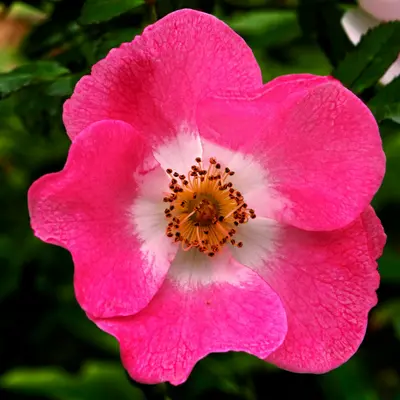
America's most popular landscape rose, revolutionizing rose growing with its exceptional disease resistance and continuous blooming from spring until frost without deadheading. This low-maintenance shrub rose produces clusters of vibrant pink flowers that attract butterflies while requiring minimal care compared to traditional roses. Perfect for beginning rose growers who want maximum beauty with minimal fuss.
Harvest
60-80d
Days to harvest
Sun
Full sun
Zones
5–11
USDA hardiness
Height
1-8 feet
Planting Timeline
Showing dates for Rose Knockout Pink in USDA Zone 7
All Zone 7 flower →Zone Map
Click a state to update dates
Rose Knockout Pink · Zones 5–11
Growing Details
Complete Growing Guide
Light: Full sun (6 or more hours of direct sunlight a day). Soil: Clay, Loam (Silt). Soil pH: Acid (<6.0), Neutral (6.0-8.0). Height: 1 ft. 0 in. - 8 ft. 0 in.. Spread: 1 ft. 0 in. - 6 ft. 0 in.. Spacing: Less than 12 inches, 12 inches-3 feet, 3 feet-6 feet, 6-feet-12 feet. Growth rate: Medium. Maintenance: High. Propagation: Grafting.
Harvesting
The accessory fruit is called a hip and forms after the flowers finish blooming. The hip will appear under the sepals of where the flower was after the flower dies. They will turn from green to red. They are filled with many achenes surrounded by irritating hairs.
Color: Green, Red/Burgundy. Type: Achene. Length: < 1 inch. Width: < 1 inch.
Garden value: Showy
Harvest time: Fall
Edibility: The fruit (called the hip) is edible.
Storage & Preservation
Fresh cut Knockout Pink roses last 5-7 days in arrangements when properly conditioned. Immediately after cutting, recut stems under running water and place in lukewarm water with flower preservative. Store in a cool location away from direct sunlight and heat sources.
For drying, hang small bundles of freshly cut flowers upside down in a warm, dry, dark location with good air circulation. Petals will be papery-dry in 1-2 weeks and retain good color for potpourri or craft projects. Alternatively, remove petals from fresh flowers and dry on screens for faster processing.
Rose petals can be frozen in ice cube trays with water for decorative drinks, though Knockout varieties are primarily ornamental rather than culinary. For longer preservation, create rose water by simmering fresh petals in distilled water, then straining and storing in sterilized bottles in the refrigerator for up to one month. The vibrant pink color makes these roses particularly attractive for decorative uses.
History & Origin
Origin: Temp. & Subtropical Northern Hemisphere (such as Europe & Asia)
Advantages
- +Edible: The fruit (called the hip) is edible.
Considerations
- -High maintenance
Companion Plants
Lavender, catmint, and salvia are the strongest companions here, and the reason is straightforward: all three draw in beneficial insects — parasitic wasps, lacewings, hoverflies — that keep aphid and thrips populations in check without you doing anything. They also bloom at overlapping times with the Knockout's long season, so there's a practical pollinator payoff too. Marigolds (specifically Tagetes patula, the French type) are worth planting at the base of the shrub; they've been shown to deter thrips and their scent is thought to confuse some pests by smell. Garlic and chives pull similar duty — both carry sulfur compounds that repel aphids, and they tuck neatly around the drip line without competing seriously for water or sun.
Keep this rose well away from black walnut (Juglans nigra). The roots and decomposing leaves release juglone, and roses are notably sensitive — you'll see slow decline, wilting, and dieback that's easy to misread as a disease problem rather than a soil chemistry one. Large trees are a different issue entirely: it's not chemistry, it's resources. Knockout Pink needs 6 or more hours of direct sun and consistent moisture, and a mature canopy overhead will cut both. Brassicas aren't toxic to roses, but they're heavy feeders with wide, shallow root mats that muscle in directly on the same soil zone — just not worth the competition when better neighbors are available.
Plant Together
Lavender
Repels aphids, spider mites, and other rose pests while attracting beneficial pollinators
Marigolds
Deters nematodes, aphids, and whiteflies while adding vibrant color contrast
Garlic
Natural fungicide properties help prevent black spot and powdery mildew on roses
Chives
Repels aphids and Japanese beetles while improving soil health
Catmint
Deters ants, aphids, and rodents while attracting beneficial insects
Alliums
Strong scent repels aphids, thrips, and other common rose pests
Clematis
Complementary blooming periods and root zones, shares similar care requirements
Salvia
Attracts beneficial insects and hummingbirds while deterring harmful pests
Keep Apart
Black Walnut
Produces juglone toxin that causes stunted growth and yellowing in roses
Large Trees
Compete for nutrients and water while creating excessive shade that reduces blooming
Brassicas
Heavy feeders that deplete soil nutrients needed for optimal rose growth and flowering
Pests & Disease Resistance
Resistance
Excellent resistance to black spot, powdery mildew, and rust
Common Pests
Aphids, thrips, Japanese beetles, spider mites
Diseases
Generally disease resistant, occasional downy mildew in humid conditions
Troubleshooting Rose Knockout Pink
What you'll see, why it happens, and what to do about it.
New growth covered in sticky, soft-bodied clusters — usually green or black — with curled or puckered young leaves
Likely Causes
- Aphid infestation (Macrosiphum rosae, the rose aphid) — they congregate on tender new shoots and buds
- Ant activity nearby, which means ants are actively farming the aphids and running off predators
What to Do
- 1.Knock aphids off with a firm spray of water from a hose — do this in the morning so foliage dries before evening
- 2.If the infestation is heavy, apply insecticidal soap directly to the colonies, making sure to coat the undersides of leaves
- 3.Check for ant trails up the canes; banding the base of the plant with a sticky barrier like Tanglefoot can break that cycle
Leaf edges and petals ragged or skeletonized, often with shiny green-bronze beetles present in midsummer
Likely Causes
- Japanese beetle (Popillia japonica) feeding — they're drawn hard to roses and tend to pile on in groups
- Damage is worst in June through August when adult populations peak
What to Do
- 1.Hand-pick beetles into a bucket of soapy water in the early morning when they're sluggish — it works better than it sounds
- 2.Skip Japanese beetle pheromone traps near your roses; University of Kentucky research shows those traps pull in more beetles than they catch
- 3.Apply beneficial nematodes (Heterorhabditis bacteriophora) to the surrounding soil in late summer to target grubs before next season
Gray-white powdery or faintly fuzzy coating on the undersides of leaves, with leaves eventually yellowing and dropping — more common in stretches of humid weather
Likely Causes
- Downy mildew (Peronospora sparsa) — distinct from powdery mildew; it thrives when nights stay above 60°F and humidity stays high through the day
- Poor airflow from overcrowding or planting flush against a wall or fence with no circulation
What to Do
- 1.Remove and bag (don't compost) all affected leaves immediately — the spores spread fast
- 2.Water at the base only, and water in the morning; wet foliage overnight is what this pathogen is waiting for
- 3.Give the plant more room — Knockout Pinks want 3 to 4 feet of clearance on all sides, and that spacing matters more than most people think
Frequently Asked Questions
How long does Knockout Pink rose take to bloom after planting?▼
Can you grow Knockout Pink roses in containers?▼
Do Knockout Pink roses need full sun?▼
When should I prune my Knockout Pink roses?▼
Are Knockout Pink roses good for beginners?▼
What's the difference between Knockout Pink and Double Knockout Pink?▼
Zone-by-Zone Planting Calendar
| Zone | Indoor Start | Transplant | Direct Sow | Harvest |
|---|---|---|---|---|
| Zone 1 | May – June | July – August | July – September | — |
| Zone 2 | April – May | June – July | June – August | — |
| Zone 11 | January – January | January – February | January – March | — |
| Zone 12 | January – January | January – February | January – March | — |
| Zone 13 | January – January | January – February | January – March | — |
| Zone 3 | April – May | June – July | June – August | — |
| Zone 4 | March – April | June – June | June – July | — |
| Zone 5 | March – April | May – June | May – July | — |
| Zone 6 | March – April | May – June | May – July | — |
| Zone 7 | February – March | April – May | April – June | — |
| Zone 8 | February – March | April – May | April – June | — |
| Zone 9 | January – February | March – April | March – May | — |
| Zone 10 | January – January | February – March | February – April | — |