ProCut® Red/Lemon Bicolor
Helianthus annuus
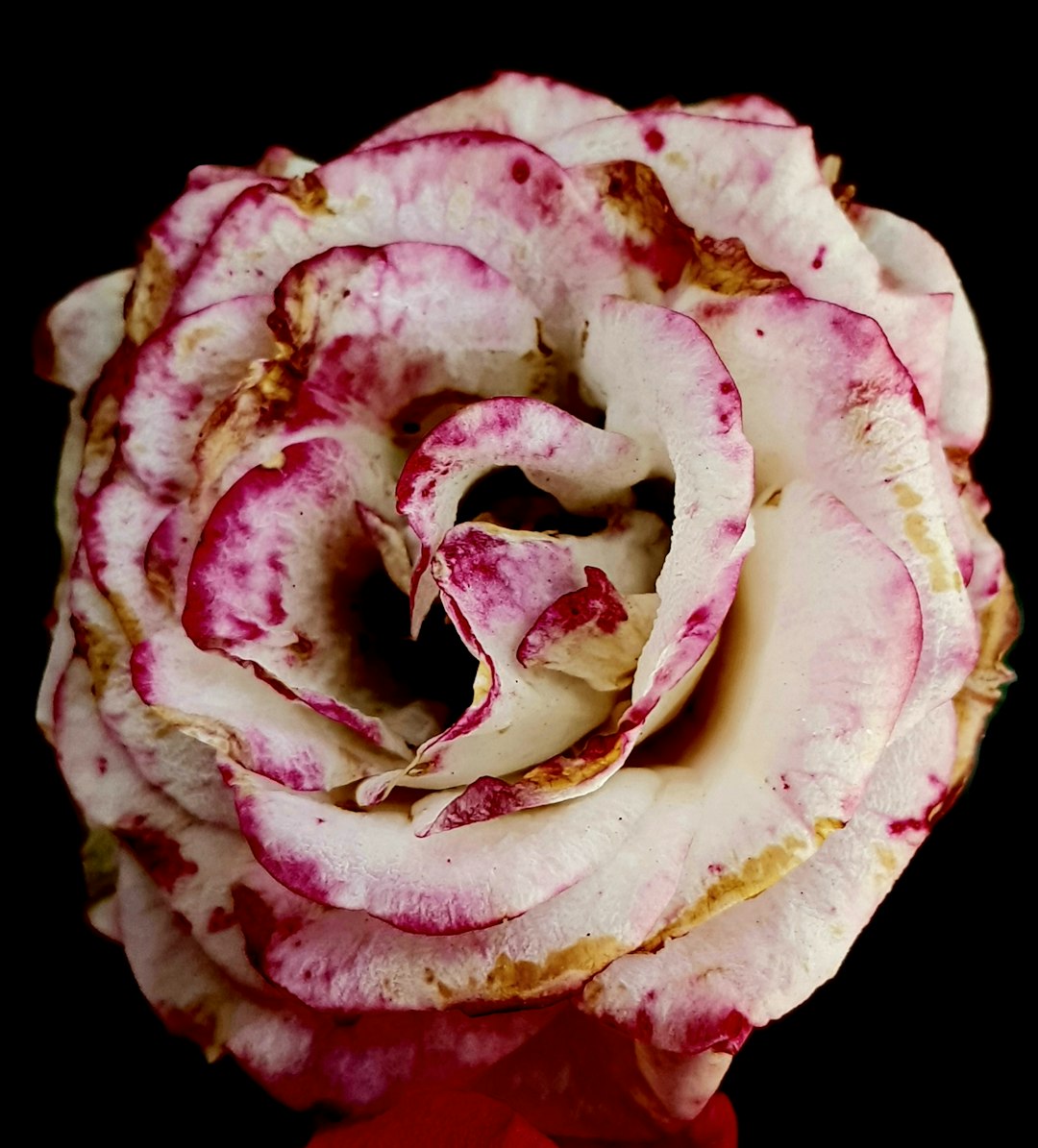
ProCut® Red/Lemon Bicolor is a hybrid cut flower variety prized for its striking two-tone blooms featuring vibrant red and bright lemon-yellow petals. Reaching maturity in 50-60 days, this easy-to-grow variety thrives in full sun with well-drained, amended soil. Its bicolor coloring makes it a distinctive choice for fresh floral arrangements and garden displays, offering exceptional visual appeal and long vase life.
Harvest
50-60d
Days to harvest
Sun
Full sun
Zones
2–11
USDA hardiness
Height
1-10 feet
Planting Timeline
Showing dates for ProCut® Red/Lemon Bicolor in USDA Zone 7
All Zone 7 flower →Zone Map
Click a state to update dates
ProCut® Red/Lemon Bicolor · Zones 2–11
Growing Details
Succession Planting
ProCut Red/Lemon Bicolor is a single-stem cut-flower sunflower — each plant gives you one head and it's done, which makes succession planting the whole game here. In zone 7, direct sow every 14 days from April 1 through mid-June; that cadence will keep stems coming from roughly late June through early September. Stop sowing once daytime highs are consistently above 90°F — germination drops off and young plants struggle to establish in that kind of heat.
If you're starting indoors, sow in 2- or 3-inch cells no more than 2 weeks before your transplant date — sunflowers resent being root-bound, and a pot-bound start will lag behind a direct-sown one. At 50–60 days to harvest, back-calculate from your target cut dates and plan accordingly. A late-June event means a mid-April direct sow; an early-September market push means a late-June sowing is your last realistic window.
Complete Growing Guide
ProCut® Red/Lemon Bicolor sunflowers thrive when started from seed directly sown into the garden after your last frost date has passed. Since these plants reach impressive heights of up to ten feet, waiting until soil has warmed and frost danger has completely passed ensures stronger, faster establishment. You can also start seeds indoors four to six weeks before your last frost, sowing them in individual pots to minimize root disturbance at transplant time. Either method works well for this variety, though direct sowing often produces sturdier plants with less transplant shock.
Space plants twelve to eighteen inches apart in rich, well-draining soil amended with compost or aged manure. Sow seeds one inch deep, pressing soil firmly over the seeds to ensure good contact. ProCut® Red/Lemon Bicolor performs best in full sun—aim for at least eight hours daily—as this encourages the vibrant bicolor blooms and sturdy stem development necessary for cut flower production.
Water regularly, providing roughly one inch per week through consistent moisture rather than occasional heavy watering. These sunflowers need steady hydration, especially during the critical growth phase from emergence through flowering. Reduce watering slightly once plants are established and approaching bloom time, as overly wet soil can encourage stem rot. Feed every two to three weeks with a balanced fertilizer once plants are one foot tall, then switch to a lower-nitrogen formula once flower buds appear to promote blooming rather than excessive foliage.
The pollenless characteristic of this cultivar means you'll enjoy cut flowers without pollen mess, but watch for powdery mildew in humid conditions—improve air circulation between plants and avoid overhead watering if possible. Spider mites occasionally trouble sunflowers in hot, dry weather, so inspect leaf undersides regularly. This particular variety's strong stems make it less susceptible to disease than weaker-stemmed types, but remove any yellowing lower leaves promptly to prevent fungal issues.
For maximum cut flower production, pinch out the central growing tip when plants reach two feet tall. This technique—often overlooked by gardeners—encourages the development of multiple lateral flower stems rather than a single massive bloom. The resulting bouquet of slightly smaller flowers lasts longer in the vase and provides superior commercial-quality cuts. Succession plant seeds every two weeks through midsummer for continuous harvests rather than one concentrated bloom period.
Stake or trellis taller plants in windy locations to prevent stem breakage, particularly important given the size and weight of these flowers. Harvest blooms in early morning once the back of the flower shows solid color, cutting stems at least eighteen inches long for arranging. With proper care, you'll enjoy fifty days from sowing to first harvest and weeks of beautiful, long-lasting bicolor flowers.
Harvesting
ProCut® Red/Lemon Bicolor reaches harvest at 50 - 60 days from sowing per Johnny's Selected Seeds. Expect 4-6" at peak. As an annual, harvest continues until frost ends the season.
Seeds are ovoid and somewhat flattened
Color: Black, Brown/Copper. Type: Achene. Length: < 1 inch. Width: < 1 inch.
Garden value: Edible
Harvest time: Fall
Edibility: Seeds are used for cooking oil, livestock feed, and as a snack food or garnish. Petals are edible and young flower buds can be steamed like artichokes.
Storage & Preservation
Fresh ProCut Red/Lemon Bicolor blooms last 7-10 days in a clean vase with flower food and cool room temperature (65-70°F). Keep out of direct sunlight and away from ripening fruit, which releases ethylene gas and shortens bloom life. Change water every 2-3 days and re-cut stems at a 45-degree angle.
For extended enjoyment, dry flowers by hanging bunches upside-down in a warm, dark, well-ventilated space (65-75°F, low humidity) for 2-3 weeks; dried blooms retain their bicolor pattern beautifully. Alternatively, press individual petals between parchment paper under heavy books for 1-2 weeks to create keepsakes. The pollenless trait makes ProCut varieties especially suitable for pressing without staining concerns. Store dried flowers in airtight containers with silica gel in a cool, dry location for 6-12 months.
History & Origin
ProCut® Red/Lemon Bicolor is an F1 hybrid developed through controlled cross-pollination. Listed in the Johnny's Selected Seeds catalog.
Origin: Western United States
Advantages
- +Striking red and lemon bicolor petals make stunning, eye-catching cut flower arrangements.
- +Pollenless blooms keep arrangements clean without messy pollen staining.
- +Strong stems support 4-6 inch flowers without drooping or breaking.
- +Ready to harvest in just 50-60 days from planting to bloom.
- +Easy to grow variety suitable for both beginner and experienced gardeners.
Considerations
- -Tall plants require staking or support structures in windy conditions.
- -Single stem production limits yield compared to branching sunflower varieties.
- -Bicolor varieties may show color variation between individual plants grown.
Companion Plants
Marigolds and nasturtiums are worth the real estate near sunflowers. French marigolds (Tagetes patula) produce thiophene compounds that suppress root-knot nematodes — plant them in the same bed and let the roots do the work across the season. Nasturtiums act as a trap crop for aphids, drawing colonies onto themselves before those aphids reach your sunflower stems. Zinnias and cosmos fit naturally at 12–18 inch spacing because they share the same cultural needs — full sun, moderate water — without crowding root zones or competing for the same nutrients. Borage pulls in predatory insects, and cucumbers benefit from the pollinator traffic that a block of sunflowers generates.
Black walnut trees are the hard stop. Juglans nigra releases juglone through its root system continuously, and most annuals planted within the canopy's drip line will yellow, stall, and decline without any obvious above-ground cause — move the sunflower bed well clear rather than troubleshoot mystery wilting all season. Fennel is allelopathic broadly and doesn't belong mixed into any annual bed regardless of what's in it. Pole beans are subtler: they fix nitrogen aggressively and can push sunflowers toward soft, leafy growth that produces stems too weak to hold a cut flower head upright.
Plant Together
Marigolds
Repel aphids, whiteflies, and nematodes while attracting beneficial insects
Nasturtiums
Act as trap crops for aphids and cucumber beetles, protecting sunflowers
Zinnias
Attract pollinators and beneficial predatory insects like ladybugs and lacewings
Cosmos
Attract beneficial insects and create complementary color combinations in garden beds
Basil
Repels thrips, flies, and mosquitoes while attracting pollinators
Borage
Attracts bees and other pollinators, may improve soil nutrients
Lettuce
Benefits from shade provided by taller sunflowers during hot weather
Cucumber
Sunflowers provide natural support structure and wind protection
Keep Apart
Black Walnut Trees
Produce juglone toxin that inhibits sunflower growth and causes wilting
Fennel
Releases allelopathic compounds that stunt growth of most companion plants
Pole Beans
Heavy vines can damage sunflower stems and compete aggressively for nutrients
Troubleshooting ProCut® Red/Lemon Bicolor
What you'll see, why it happens, and what to do about it.
Seedling stem pinched off or toppled at soil level, 5–10 days after germination
Likely Causes
- Damping off (Pythium or Rhizoctonia spp.) — soil-borne fungi that thrive in cool, wet, poorly drained conditions
- Overwatering combined with low airflow around seedlings
What to Do
- 1.Pull and discard affected seedlings — they won't recover
- 2.Let the top inch of soil dry out between waterings, and run a small fan near indoor starts
- 3.Next sowing, use a sterile seed-starting mix rather than garden soil, and don't reuse last season's trays without washing them with a 10% bleach solution
Leaves stippled silver or bronze, with fine webbing on the undersides of foliage during hot, dry stretches
Likely Causes
- Two-spotted spider mite (Tetranychus urticae) — population explosions happen fast once temps push past 85°F and humidity drops
What to Do
- 1.Knock mites off with a hard spray of water, hitting the leaf undersides directly
- 2.Apply insecticidal soap or neem oil in the evening — 2 to 3 applications, 5–7 days apart
- 3.Keep plants consistently watered; drought-stressed sunflowers are more susceptible
Disk center of mature flower head partially eaten out, seeds missing, or head drooping and shredded before full open
Likely Causes
- Sunflower headclipping weevil (Haplorhynchites aeneus) — adult cuts stems just below the head
- Birds (finches, sparrows) feeding on seeds before harvest
What to Do
- 1.For weevils: check stems just below heads daily starting around day 45 and hand-pick adults in early morning when they're slow
- 2.For birds: loosely bag developing heads with mesh produce bags or row cover secured with a twist tie once petals start dropping
- 3.Harvest ProCut Red/Lemon Bicolor heads promptly — this is a pollenless variety bred for cut-flower speed, so don't let heads linger past peak
Frequently Asked Questions
How long does ProCut Red/Lemon Bicolor take to grow from seed to harvest?▼
Is ProCut Red/Lemon Bicolor a good cut flower for beginners?▼
Can I grow ProCut Red/Lemon Bicolor in containers?▼
What's the difference between ProCut Red/Lemon Bicolor and other cut-flower varieties?▼
When should I pinch ProCut Red/Lemon Bicolor plants?▼
How do I keep ProCut Red/Lemon Bicolor stems strong and prevent flopping?▼
Zone-by-Zone Planting Calendar
| Zone | Indoor Start | Transplant | Direct Sow | Harvest |
|---|---|---|---|---|
| Zone 1 | May – June | July – August | July – September | — |
| Zone 2 | April – May | June – July | June – August | — |
| Zone 11 | January – January | January – February | January – March | — |
| Zone 12 | January – January | January – February | January – March | — |
| Zone 13 | January – January | January – February | January – March | — |
| Zone 3 | April – May | June – July | June – August | — |
| Zone 4 | March – April | June – June | June – July | — |
| Zone 5 | March – April | May – June | May – July | — |
| Zone 6 | March – April | May – June | May – July | — |
| Zone 7 | February – March | April – May | April – June | — |
| Zone 8 | February – March | April – May | April – June | — |
| Zone 9 | January – February | March – April | March – May | — |
| Zone 10 | January – January | February – March | February – April | — |
Growing Guides from Wind River Greens
Sources & References
External authority sources used in compiling this guide.
- BreederJohnny's Selected Seeds
See the Methodology page for how this data is sourced, what's AI-assisted, and known limitations.