ProCut® Red
Helianthus annuus
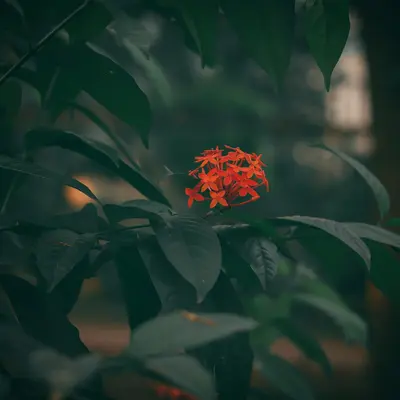
It took years of breeding efforts to produce this impressive red ProCut sunflower. Early blooms are produced on long, strong, single stems. Pollenless. Single stem.
Harvest
50-60d
Days to harvest
Sun
Full sun
Zones
2–11
USDA hardiness
Height
1-10 feet
Planting Timeline
Showing dates for ProCut® Red in USDA Zone 7
All Zone 7 flower →Zone Map
Click a state to update dates
ProCut® Red · Zones 2–11
Growing Details
Succession Planting
ProCut Red is a cut-and-done crop — each stem produces one bloom, so succession sowing is the only way to keep a steady supply. Direct sow every 14 days from your last frost date through early July in zone 7; at 50–60 days to harvest, a late-June sowing will finish before fall frost in most years. Don't push past mid-July — plants started after that tend to race to flower at reduced height as day length shortens.
If you're starting indoors, sow in 2- or 3-inch cells 7–10 days before your transplant date and move them out at 10–14 days old. Sunflowers don't love root disturbance, so transplant before the taproot hits the bottom of the cell. Direct sowing is simpler and works just as well once soil temps are reliably above 55°F.
Complete Growing Guide
ProCut® Red sunflowers should be direct sown into the garden after all danger of frost has passed and soil temperatures have warmed to at least 50°F. Unlike many ornamental varieties, these early-blooming cultivars benefit from early planting, so sow seeds as soon as soil is workable in spring. You can also start seeds indoors three to four weeks before your last frost date if you prefer transplants, though direct sowing often produces sturdier plants. Plant seeds approximately one inch deep, spacing them 12 to 18 inches apart in rows. ProCut® Red varieties are vigorous growers that develop strong, single stems, so adequate spacing ensures each plant receives sufficient light and air circulation to support those impressive tall stems without crowding.
Prepare your planting bed by working the soil to a depth of 12 inches and incorporating compost or aged manure to improve drainage and fertility. While sunflowers are generally adaptable, ProCut® Red performs best in loose, well-draining soil with a pH between 6.0 and 7.5. Choose a location receiving at least six to eight hours of direct sunlight daily; these plants need full sun to develop their intense red coloring and reach their maximum height potential.
Water newly sown seeds regularly to keep soil consistently moist until seedlings emerge, typically within seven to ten days. Once established, water deeply once or twice weekly depending on rainfall and temperature, aiming for about one inch of water per week. As the plants mature and develop their characteristic strong stems, they become more drought-tolerant, though consistent moisture during the growing season supports larger blooms and longer stem production—critical for the cut-flower quality these plants are bred for.
Feed your ProCut® Red sunflowers every two to three weeks with a balanced fertilizer once plants reach six inches tall. However, avoid over-fertilizing with nitrogen, which can produce excessive foliage at the expense of flowering. A diluted liquid fertilizer or slow-release granular product works well for cut-flower production varieties like these.
ProCut® Red sunflowers are notably resistant to mildew and many common sunflower diseases, but watch for downy mildew in overly humid conditions or spider mites during hot, dry weather. The pollenless nature of this variety eliminates concerns about pollen staining arrangements, making it prized for florists.
One critical mistake gardeners make with ProCut® Red is attempting succession planting without proper spacing or staggering. While you can plant in stages every two weeks for continuous blooms, ensure each planting receives adequate light and resources. Additionally, many growers expect the full ten-foot maximum height but fail to provide the sturdy support and consistent care these taller stems demand, resulting in disappointing growth. Start with reasonable expectations and build your technique as you gain experience with this rewarding variety.
Harvesting
ProCut® Red reaches harvest at 50 - 60 days from sowing per Johnny's Selected Seeds. As an annual, harvest continues until frost ends the season.
Seeds are ovoid and somewhat flattened
Color: Black, Brown/Copper. Type: Achene. Length: < 1 inch. Width: < 1 inch.
Garden value: Edible
Harvest time: Fall
Edibility: Seeds are used for cooking oil, livestock feed, and as a snack food or garnish. Petals are edible and young flower buds can be steamed like artichokes.
Storage & Preservation
ProCut Red sunflowers should be stored in a cool location away from direct sunlight and ethylene-producing fruits. Keep stems in fresh, clean water at room temperature (65-72°F) or refrigerate at 34-40°F for extended vase life of 10-14 days. Maintain 65-75% humidity to prevent petal wilting. Preservation methods include: (1) air-drying by hanging upside-down in a dark, well-ventilated space for 2-3 weeks to create long-lasting dried arrangements; (2) pressing flowers between wax paper under heavy books for 2-4 weeks for scrapbooking and crafts; (3) glycerin treatment by placing cut stems in a 1:1 mixture of glycerin and water for 7-10 days to preserve flexibility and create decorative dried specimens.
History & Origin
ProCut® Red is an F1 hybrid developed through controlled cross-pollination. Listed in the Johnny's Selected Seeds catalog.
Origin: Western United States
Advantages
- +Stunning red blooms result from years of specialized breeding efforts
- +Pollenless flowers last longer in arrangements without messy pollen
- +Long, strong single stems ideal for professional cut flower production
- +Early blooms at 50-60 days enable quick harvest cycles
- +Easy to grow variety suitable for beginners and commercial growers
Considerations
- -Single stem structure limits yield compared to branching sunflower varieties
- -Red color may fade or shift in intense direct sunlight exposure
- -Pollenless trait requires hand pollination if seed production desired
Companion Plants
Marigolds (especially Tagetes patula) are worth planting along the border of your sunflower patch — they deter aphids through scent and attract parasitic wasps that keep pest populations in check. Nasturtiums pull double duty as a trap crop, drawing aphids away from your ProCut stems and onto themselves where you can deal with them in one spot. Low-growing lettuce is a practical fit directly under the canopy — it tolerates the partial shade cast by sunflower stems and doesn't compete much at root depth.
Black walnut (Juglans nigra) is the one to plant nowhere near your cutting bed. Its roots release juglone, a compound that interferes with cell respiration in sensitive plants — sunflowers are on that list, and you'll see wilting and stunting before you figure out why. Fennel is similarly antagonistic through allelopathic root exudates and tends to suppress most annuals around it. Pole beans are a subtler problem: they race for vertical space and can shade out sunflower seedlings in the first 3–4 weeks before the sunflowers get tall enough to fight back.
Plant Together
Marigolds
Repel aphids, whiteflies, and nematodes while attracting beneficial insects
Nasturtiums
Act as trap crops for aphids and cucumber beetles, protecting sunflowers
Zinnias
Attract pollinators and beneficial predatory insects like ladybugs
Cosmos
Provide habitat for beneficial insects and complement sunflower blooming period
Beans
Fix nitrogen in soil, benefiting heavy-feeding sunflowers
Cucumber
Benefit from sunflower's tall structure for partial shade and wind protection
Lettuce
Thrives in partial shade provided by sunflower stalks
Borage
Attracts pollinators and may improve soil nutrients through deep taproot
Keep Apart
Black Walnut
Produces juglone toxin that inhibits sunflower growth and development
Fennel
Allelopathic compounds inhibit growth of most garden plants including sunflowers
Pole Beans
May climb sunflower stalks, adding weight and potentially causing breakage
Pests & Disease Resistance
Common Pests
Sunflower beetles, aphids, spider mites, birds
Diseases
Powdery mildew, rust, downy mildew
Troubleshooting ProCut® Red
What you'll see, why it happens, and what to do about it.
White powdery coating on upper leaf surfaces, usually appearing mid-season once plants are 2–3 feet tall
Likely Causes
- Powdery mildew (Erysiphe cichoracearum) — a fungal disease that spreads in warm days and cool nights with low air circulation
- Crowded spacing below 12 inches that traps humidity around foliage
What to Do
- 1.Remove and trash the worst-affected leaves — don't compost them
- 2.Spray remaining foliage with a diluted potassium bicarbonate solution (follow label rates); repeat every 7 days
- 3.Next planting, hold to at least 12-inch spacing and site the bed where morning sun dries dew off quickly
Leaves stippled yellow or bronze, with fine webbing on the undersides of foliage during hot, dry stretches
Likely Causes
- Two-spotted spider mite (Tetranychus urticae) — populations explode when temperatures stay above 85°F and humidity is low
- Dusty conditions on unirrigated foliage that stress the plant and accelerate mite reproduction
What to Do
- 1.Blast the undersides of leaves hard with water from a hose — knocks mites off and they rarely climb back
- 2.Apply insecticidal soap or neem oil to the undersides of leaves in the evening to avoid leaf scorch; repeat every 5–7 days
- 3.Keep soil consistently moist — water-stressed sunflowers are dramatically more susceptible
Frequently Asked Questions
How long do ProCut Red sunflowers last in a vase?▼
Is ProCut Red sunflower good for beginner flower gardeners?▼
When should I plant ProCut Red sunflower seeds?▼
Can I grow ProCut Red sunflowers in containers?▼
What makes ProCut Red different from other red sunflowers?▼
How much sunlight does ProCut Red sunflower need?▼
Zone-by-Zone Planting Calendar
| Zone | Indoor Start | Transplant | Direct Sow | Harvest |
|---|---|---|---|---|
| Zone 1 | May – June | July – August | July – September | — |
| Zone 2 | April – May | June – July | June – August | — |
| Zone 11 | January – January | January – February | January – March | — |
| Zone 12 | January – January | January – February | January – March | — |
| Zone 13 | January – January | January – February | January – March | — |
| Zone 3 | April – May | June – July | June – August | — |
| Zone 4 | March – April | June – June | June – July | — |
| Zone 5 | March – April | May – June | May – July | — |
| Zone 6 | March – April | May – June | May – July | — |
| Zone 7 | February – March | April – May | April – June | — |
| Zone 8 | February – March | April – May | April – June | — |
| Zone 9 | January – February | March – April | March – May | — |
| Zone 10 | January – January | February – March | February – April | — |
Growing Guides from Wind River Greens
Sources & References
External authority sources used in compiling this guide.
- BreederJohnny's Selected Seeds
See the Methodology page for how this data is sourced, what's AI-assisted, and known limitations.