ProCut® Peach
Helianthus annuus
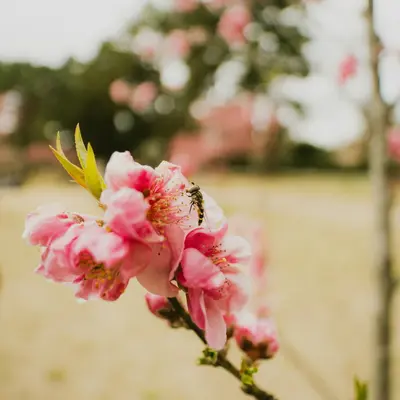
Peach-colored blooms combine well with soft or vivid colors and are every bit as early and reliable as the other well-known ProCut colors. Single-stem plants have tall, strong stems and 4-6", pollenless blooms. Another exciting introduction from US plant breeder Dr. Tom Heaton and company. Pollenless. Single stem.
Harvest
50-60d
Days to harvest
Sun
Full sun
Zones
2–11
USDA hardiness
Height
1-10 feet
Planting Timeline
Showing dates for ProCut® Peach in USDA Zone 7
All Zone 7 flower →Zone Map
Click a state to update dates
ProCut® Peach · Zones 2–11
Growing Details
Succession Planting
Direct sow every 14–21 days from April through June in zone 7, stopping once daytime highs hold consistently above 90°F — that kind of heat rushes the bloom and cuts vase life noticeably short. With a 50–60 day window to harvest, a mid-June sowing still delivers cuts by mid-August. If you're growing for a specific event, count back 60 days from the date you need flowers and sow then; ProCut Peach is consistent enough that the math holds up.
Complete Growing Guide
ProCut® Peach sunflowers thrive when started indoors four to six weeks before your last spring frost, allowing you to transplant seedlings into the garden once soil temperatures reach 50°F and frost danger has passed. Alternatively, you can direct sow seeds into prepared garden beds after all frost risk has ended, pushing soil to a depth of one inch. This variety germinates quickly and reliably, making both methods equally successful for most gardeners.
Prepare your planting area with well-draining soil enriched with compost or aged manure, as ProCut® Peach performs best in fertile conditions that support vigorous stem development. Space plants 12 to 18 inches apart to allow adequate air circulation and room for the tall, strong stems characteristic of this cultivar. Full sun exposure is non-negotiable; these plants require a minimum of six to eight hours of direct sunlight daily to develop robust stems and reach their impressive height potential. While ProCut® Peach can grow anywhere from 18 inches to 10 feet depending on growing conditions, consistent sunlight ensures the tall, single stems that make this variety prized for cut flowers.
Water deeply and consistently throughout the growing season, providing about one inch per week through rainfall or irrigation. Young seedlings need more frequent watering to establish strong root systems, but mature plants are quite drought-tolerant once established. Feed with a balanced, all-purpose fertilizer every three weeks, or use a slow-release granular product at planting time. Avoid excessive nitrogen, which can encourage weak, overly tall growth at the expense of flower production.
The pollenless characteristic of ProCut® Peach makes it exceptionally low-maintenance regarding common sunflower pests. Unlike seeded varieties that attract birds and squirrels, this cultivar won't suffer rodent damage to developing flower heads. However, watch for spider mites during hot, dry spells, as the variety's tall stems and thin foliage can stress under drought conditions, making plants more susceptible to infestations. Powdery mildew occasionally appears in humid climates; ensure good air circulation and avoid wetting foliage during watering.
For maximum stem quality and multiple harvests, practice succession planting by sowing seeds every two weeks from spring through midsummer. Pinch out the growing tip when plants reach 12 inches tall to encourage branching and additional flowering stems, though single-stem plants can also be left unpinched for premium-quality cut flowers. Harvest blooms when petals begin to unfurl and sepals start to curl backward, typically 50 days after planting.
The most common mistake gardeners make with ProCut® Peach is overcrowding plants, which reduces air circulation and increases disease pressure while compromising the sturdy stem development this variety is bred to deliver. Proper spacing is essential to realize the full potential of these exceptional peach-colored performers.
Harvesting
ProCut® Peach reaches harvest at 50 - 60 days from sowing per Johnny's Selected Seeds. Expect 4-6" at peak. As an annual, harvest continues until frost ends the season.
Seeds are ovoid and somewhat flattened
Color: Black, Brown/Copper. Type: Achene. Length: < 1 inch. Width: < 1 inch.
Garden value: Edible
Harvest time: Fall
Edibility: Seeds are used for cooking oil, livestock feed, and as a snack food or garnish. Petals are edible and young flower buds can be steamed like artichokes.
Storage & Preservation
For fresh storage, keep ProCut® Peach stems in a cool location or refrigerator at 33-35°F with high humidity (75-80%). Remove leaves below the waterline and change water every 2-3 days for optimal vase life of 10-14 days. For preservation, air-drying is ideal—bundle stems and hang upside down in a cool, dark, well-ventilated space for 1-2 weeks to retain color. Silica gel drying works well for individual blooms, producing vibrant results in 3-5 days. Pressing between heavy books creates flat specimens suitable for crafts and arrangements.
History & Origin
ProCut® Peach is an F1 hybrid developed through controlled cross-pollination. Listed in the Johnny's Selected Seeds catalog.
Origin: Western United States
Advantages
- +Peach blooms pair beautifully with both soft and vivid color palettes
- +Pollenless flowers reduce allergies and keep arrangements cleaner longer
- +Early 50-60 day maturity allows multiple harvests per growing season
- +Tall strong stems ideal for professional cut flower arrangements
- +Reliable performance matches other established ProCut color varieties
Considerations
- -Limited color versatility compared to red or yellow sunflower varieties
- -Peach coloring may fade or shift in intense direct sunlight
- -Requires consistent moisture and well-draining soil to prevent root rot
Companion Plants
Marigolds — French types like 'Petite Gold' in particular — planted at the border do real work against aphids and thrips that will otherwise find your sunflowers. Nasturtiums pull double duty as a trap crop for aphids, drawing pressure away from the main planting. Zinnias and Cosmos are solid neighbors because their root systems run shallow and don't fight ProCut Peach for water. Two plants to keep at a hard distance: Black Walnut, whose roots release juglone — a compound toxic enough to stunt or kill sunflowers within the drip line — and Fennel, which suppresses germination of most nearby annuals through root exudates.
Plant Together
Marigolds
Repel aphids, whiteflies, and nematodes while attracting beneficial insects
Nasturtiums
Act as trap crops for aphids and cucumber beetles, edible flowers complement cutting garden
Zinnias
Attract beneficial predatory insects and pollinators, similar growing requirements
Sweet Alyssum
Attracts beneficial wasps and hoverflies that control aphids and thrips
Cosmos
Attract beneficial insects and provide structure support, compatible sun/water needs
Calendula
Repel aphids and whiteflies, attract beneficial insects, similar care requirements
Borage
Attracts pollinators and beneficial insects, may improve disease resistance
Lavender
Repels pests with aromatic oils, attracts beneficial insects, drought tolerance complements sunflowers
Keep Apart
Black Walnut
Produces juglone toxin that inhibits sunflower growth and causes wilting
Fennel
Allelopathic properties inhibit growth of most garden plants including sunflowers
Tree of Heaven
Highly allelopathic, releases chemicals that suppress sunflower germination and growth
Troubleshooting ProCut® Peach
What you'll see, why it happens, and what to do about it.
Seedling stems pinched off at soil level, plants toppling over shortly after germination
Likely Causes
- Damping off (Pythium or Rhizoctonia spp.) — fungal rot triggered by overwatering and poor drainage
- Sowing too deep in cool, wet soil
What to Do
- 1.Don't water again until the top inch of soil is dry; standing moisture is what kills them
- 2.Improve drainage by mixing perlite into your seed-starting mix at roughly 20–25% by volume
- 3.Start seeds in a warm spot — soil temps below 60°F dramatically slow germination and invite rot
Leaves covered in white powdery coating, starting on upper surfaces in mid to late summer
Likely Causes
- Powdery mildew (Erysiphe cichoracearum) — airborne fungal spores that thrive when days are warm and nights are cool
- Crowded planting that traps humidity around the foliage
What to Do
- 1.Space plants at least 12 inches apart — ProCut Peach is a branching type and needs the airflow
- 2.Apply a dilute baking soda spray (1 tablespoon per gallon of water) at first sign; won't cure it but slows spread
- 3.Late-season mildew on lower leaves rarely affects bloom quality — strip those leaves and move on
Flower heads drooping or petals browning at the edges before the bloom fully opens
Likely Causes
- Botrytis gray mold (Botrytis cinerea) — sets in during wet, humid stretches when buds stay damp overnight
- Cutting stems too early, while the bud is still tightly closed and hasn't begun to open
What to Do
- 1.Cut ProCut Peach when petals have just started to unfurl — 1–2 inches showing — not while the bud is fully sealed
- 2.Harvest in the morning after dew has dried, not straight after rain
- 3.If Botrytis appears in the field, widen row spacing and switch from overhead irrigation to drip
Frequently Asked Questions
How long do ProCut® Peach cut flowers last in a vase?▼
Are ProCut® Peach flowers good for beginners?▼
Can you grow ProCut® Peach in containers?▼
How many days until ProCut® Peach flowers are ready to harvest?▼
What makes ProCut® Peach different from other cut flower varieties?▼
When should I plant ProCut® Peach for spring blooms?▼
Zone-by-Zone Planting Calendar
| Zone | Indoor Start | Transplant | Direct Sow | Harvest |
|---|---|---|---|---|
| Zone 1 | May – June | July – August | July – September | — |
| Zone 2 | April – May | June – July | June – August | — |
| Zone 11 | January – January | January – February | January – March | — |
| Zone 12 | January – January | January – February | January – March | — |
| Zone 13 | January – January | January – February | January – March | — |
| Zone 3 | April – May | June – July | June – August | — |
| Zone 4 | March – April | June – June | June – July | — |
| Zone 5 | March – April | May – June | May – July | — |
| Zone 6 | March – April | May – June | May – July | — |
| Zone 7 | February – March | April – May | April – June | — |
| Zone 8 | February – March | April – May | April – June | — |
| Zone 9 | January – February | March – April | March – May | — |
| Zone 10 | January – January | February – March | February – April | — |
Growing Guides from Wind River Greens
Sources & References
External authority sources used in compiling this guide.
- BreederJohnny's Selected Seeds
See the Methodology page for how this data is sourced, what's AI-assisted, and known limitations.