ProCut® Orange
Helianthus annuus
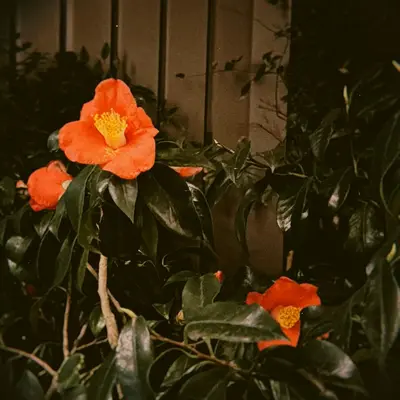
ProCut® Orange is a hybrid cut flower variety prized for its vibrant orange blooms and exceptional vase life. Reaching maturity in 50-60 days, this cultivar produces long stems ideal for floral arrangements and commercial cutting. Known for its reliability and ease of cultivation, ProCut® Orange delivers consistent, high-quality flowers with striking color that resists fading, making it a favorite for florists and garden enthusiasts seeking dependable, cut-and-come-again performance in full-sun conditions.
Harvest
50-60d
Days to harvest
Sun
Full sun
Zones
2–11
USDA hardiness
Height
1-10 feet
Planting Timeline
Showing dates for ProCut® Orange in USDA Zone 7
All Zone 7 flower →Zone Map
Click a state to update dates
ProCut® Orange · Zones 2–11
Growing Details
Succession Planting
ProCut Orange throws a single stem per plant — no useful side shoots. That means succession sowing is the only way to keep a steady supply of cut stems through the season. In zone 7, direct sow every 14 days starting April 1 and continue through June 15. Each planting delivers harvestable stems around 55 days out, so an April 1 sowing hits roughly May 25, a May 1 sowing hits early June, and so on. Sow seeds 12 inches apart; tighter spacing forces the plants to compete for light, which channels energy into stem length rather than branching.
Stop sowing by late June. Plants started after that will germinate without trouble, but they'll be pushing bloom development into peak September heat. The heads tend to come in smaller, and the orange petals bleach noticeably faster in that late-season sun. One June 15 direct sow is usually the last planting worth making if you want a decent stem for the vase.
Complete Growing Guide
ProCut® Orange sunflowers are remarkably easy to grow and perfect for gardeners seeking reliable cut flowers with vibrant orange blooms. You can start seeds indoors about four to six weeks before your last spring frost date, sowing them ¼ inch deep in seed-starting mix, or direct sow them outdoors after all frost danger has passed and soil temperatures reach at least 50°F. Direct sowing is often preferred for sunflowers since they don't transplant as well as other flowers, though indoor starts work fine if you handle seedlings carefully. Time your planting so flowers reach peak bloom around 50 days after germination, allowing you to plan succession plantings every two weeks for continuous harvest throughout the season.
Space seeds or transplants 12 to 18 inches apart in full sun, as ProCut® Orange demands at least six to eight hours of direct sunlight daily to achieve maximum stem strength and flower size. These tall varieties benefit from rich, well-draining soil amended with compost or aged manure before planting. Avoid overly wet soil, which can lead to root rot. ProCut® Orange grows vigorously and develops strong stems specifically bred for the cut flower market, so proper spacing prevents overcrowding and competition for nutrients.
Water consistently throughout the growing season, providing about one inch of water per week through rainfall or irrigation. Young seedlings need more frequent moisture, but established plants tolerate some dryness once roots deepen. Fertilize monthly with a balanced flower fertilizer once plants reach about two feet tall, or use a lower-nitrogen formula to encourage blooming over excessive foliage. The pollenless characteristic of this variety means no messy pollen shedding in the house, but plants still need adequate nutrients to produce those substantial four to six inch blooms.
Watch specifically for fungal issues like powdery mildew in humid climates, particularly as plants mature and leaves overlap. Ensure good air circulation and avoid wetting foliage when watering. Spider mites occasionally trouble these sunflowers during hot, dry spells, so monitor leaf undersides for fine webbing. Aphids may cluster on young growth; address infestations early with neem oil or insecticidal soap. Because ProCut® Orange is bred for single-stem production, remove any side shoots that develop to direct all energy into one magnificent central flower stem.
Many gardeners overwater sunflowers or plant them in partial shade, expecting them to succeed. ProCut® Orange demands full sun and well-drained soil—these aren't shade-tolerant plants, and soggy conditions will undermine even this easy variety's natural vigor. With proper sun exposure and appropriate moisture, your plants will reward you with weeks of stunning, long-stemmed orange flowers perfect for cutting.
Harvesting
ProCut® Orange reaches harvest at 50 - 60 days from sowing per Johnny's Selected Seeds. Expect 4-6" at peak. As an annual, harvest continues until frost ends the season.
Seeds are ovoid and somewhat flattened
Color: Black, Brown/Copper. Type: Achene. Length: < 1 inch. Width: < 1 inch.
Garden value: Edible
Harvest time: Fall
Edibility: Seeds are used for cooking oil, livestock feed, and as a snack food or garnish. Petals are edible and young flower buds can be steamed like artichokes.
Storage & Preservation
Freshly harvested ProCut® Orange blooms last 7-14 days in a vase with fresh, clean water and floral preservative. Keep arrangements in a cool location (65-72°F) away from direct sun and ripening fruit, which produces ethylene gas that shortens bloom life. Change water every 2-3 days and re-cut stems at a 45-degree angle.
For short-term storage (2-3 days), keep cut stems upright in water in a cool room or refrigerator. Prolong life by misting blooms daily and ensuring stems remain hydrated.
Long-term preservation options are limited for cut flowers, but you can: (1) dry blooms by hanging them upside-down in a warm, dark, well-ventilated space for 2-3 weeks—they'll retain form and color for decorative use; (2) press individual petals between newspaper weights for floral crafts; or (3) harvest at peak bloom and freeze on a tray, then transfer to freezer bags for seed collection purposes, though frozen blooms lose ornamental quality.
History & Origin
ProCut® Orange is an F1 hybrid developed through controlled cross-pollination. Listed in the Johnny's Selected Seeds catalog.
Origin: Western United States
Advantages
- +Pollenless blooms reduce allergens and keep arrangements clean longer
- +Strong stems support 4-6" flowers without staking or support
- +Tall plant habit maximizes vertical space in cutting gardens
- +Ready to harvest in just 50-60 days from planting
- +Easy to grow makes it ideal for beginner gardeners
Considerations
- -Single stem per plant limits yield compared to branching varieties
- -Tall growth requires adequate spacing to prevent wind damage
- -Orange color has limited market demand versus yellow sunflowers
- -May require deadheading to encourage continued bloom production
Companion Plants
Marigolds (especially Tagetes patula) and nasturtiums are the most practical companions near ProCut Orange. Marigolds produce alpha-terthienyl in their roots, which suppresses root-knot nematodes — a real benefit given how nematode pressure accumulates in zone 7 Georgia garden soil after a few warm seasons. Nasturtiums pull double duty as a trap crop for aphids, drawing them away from sunflower stems where they'd otherwise cluster on tender new growth. Alyssum and cosmos bring in parasitic wasps and hoverflies that prey on those same aphid populations, so the three together give you reasonable pest suppression without much added labor.
On the harmful side, black walnut trees (Juglans nigra) are the one to plan around before you even lay out the bed — the roots and decomposing hulls leach juglone into the surrounding soil, and sunflowers are notably sensitive to it. Fennel is allelopathic to most garden plants, sunflowers included; keep it isolated in its own corner. The "sunflowers" entry in the harmful list refers to planting ProCut Orange directly beside other Helianthus annuus — decomposing sunflower tissue releases compounds that inhibit seed germination nearby, including the next succession sowing you're counting on.
Plant Together
Marigolds
Repel nematodes and aphids while attracting beneficial insects
Nasturtiums
Act as trap crops for aphids and cucumber beetles
Alyssum
Attracts beneficial insects like lacewings and parasitic wasps
Basil
Repels thrips, aphids, and whiteflies with aromatic oils
Cosmos
Attracts pollinators and beneficial predatory insects
Zinnias
Attract butterflies and beneficial insects while providing color contrast
Lavender
Repels moths, fleas, and mosquitoes while attracting pollinators
Petunias
Repel aphids, tomato hornworms, and squash bugs
Keep Apart
Black Walnut Trees
Release juglone toxin that inhibits growth of sensitive plants
Fennel
Produces allelopathic compounds that inhibit growth of nearby plants
Sunflowers
Release growth-inhibiting chemicals and compete aggressively for nutrients
Troubleshooting ProCut® Orange
What you'll see, why it happens, and what to do about it.
Seedling stem pinched or collapsed at soil level, plant topples over
Likely Causes
- Damping off (Pythium or Rhizoctonia spp.) — fungal rot triggered by overwatering and poor airflow around seedlings
- Starting seeds in trays with no drainage or reusing unsterilized potting mix
What to Do
- 1.Water only when the top half-inch of mix is dry; bottom-water trays rather than overhead watering
- 2.Start fresh trays with sterile seed-starting mix each season — don't reuse last year's
- 3.Run a small fan near indoor starts for 1-2 hours a day to improve airflow
Leaves stippled silver or bronze, with fine webbing on the undersides in hot, dry stretches
Likely Causes
- Two-spotted spider mite (Tetranychus urticae) — populations explode when temperatures stay above 85°F and humidity is low
- Water stress, which weakens the plant's natural defenses
What to Do
- 1.Hit the undersides of leaves with a strong spray of water from a hose — knocks mites off and they rarely climb back
- 2.Apply insecticidal soap (follow label dilution, usually 2 tablespoons per gallon) every 5-7 days until population drops
- 3.Keep plants consistently watered; drought-stressed sunflowers are far more susceptible
Developing flower head shows ragged holes or chewed petals before it fully opens
Likely Causes
- Sunflower moth larvae (Homoeosoma electellum) — the adult moth lays eggs on the flower head right as it opens
- Japanese beetle (Popillia japonica) feeding, especially mid-summer in Georgia
What to Do
- 1.Scout heads daily once buds show color — pick off visible caterpillars by hand and drop in soapy water
- 2.For Japanese beetles, knock adults into a bucket of soapy water early in the morning when they're sluggish
- 3.Harvest ProCut Orange at the 'lollipop' stage (petals just starting to lift) to get the stem before pest damage peaks on the fully open head
Frequently Asked Questions
How long does ProCut® Orange take to grow from seed to harvest?▼
Is ProCut® Orange good for beginners?▼
Can you grow ProCut® Orange in containers?▼
Why does ProCut® Orange have no pollen?▼
When is the best time to plant ProCut® Orange seeds?▼
How much water does ProCut® Orange need?▼
Zone-by-Zone Planting Calendar
| Zone | Indoor Start | Transplant | Direct Sow | Harvest |
|---|---|---|---|---|
| Zone 1 | May – June | July – August | July – September | — |
| Zone 2 | April – May | June – July | June – August | — |
| Zone 11 | January – January | January – February | January – March | — |
| Zone 12 | January – January | January – February | January – March | — |
| Zone 13 | January – January | January – February | January – March | — |
| Zone 3 | April – May | June – July | June – August | — |
| Zone 4 | March – April | June – June | June – July | — |
| Zone 5 | March – April | May – June | May – July | — |
| Zone 6 | March – April | May – June | May – July | — |
| Zone 7 | February – March | April – May | April – June | — |
| Zone 8 | February – March | April – May | April – June | — |
| Zone 9 | January – February | March – April | March – May | — |
| Zone 10 | January – January | February – March | February – April | — |
Growing Guides from Wind River Greens
Sources & References
External authority sources used in compiling this guide.
- BreederJohnny's Selected Seeds
See the Methodology page for how this data is sourced, what's AI-assisted, and known limitations.