ProCut® Gold Lite DMR
Helianthus annuus
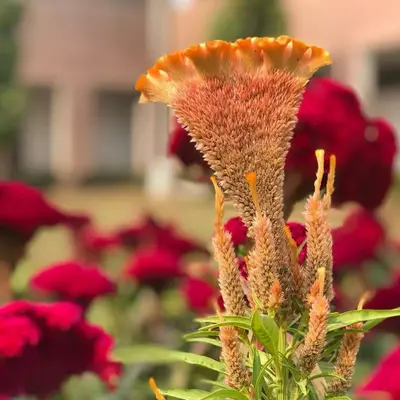
Wikimedia Commons via Common sunflower
Compared to standard ProCut® Gold, ProCut® Gold Lite DMR is taller, slightly later to bloom, and has wider, more rounded petals for a refined appearance. 4-6" blooms. Pollenless. Single stem. NOTE: Downy mildew in sunflowers persists in infected soils and is especially problematic in cool, wet soils. Symptoms include damping-off, stunted plants, yellowing leaves, and the presence of downy, white mildew on the undersides of the leaves.
Harvest
55-65d
Days to harvest
Sun
Full sun
Zones
2–11
USDA hardiness
Height
1-10 feet
Planting Timeline
Showing dates for ProCut® Gold Lite DMR in USDA Zone 7
All Zone 7 flower →Zone Map
Click a state to update dates
ProCut® Gold Lite DMR · Zones 2–11
Growing Details
Succession Planting
Direct sow ProCut Gold Lite every 14–18 days from April 1 through June 15 in zone 7 for a continuous cut-flower supply. Each succession takes 55–65 days to bloom, so a June 15 sowing peaks in mid-to-late August — still manageable heat, and the DMR trait holds up reasonably well through that window. Don't push later than that; germination stays reliable, but stem quality and vase life drop off as September's combination of heat, humidity, and shortening days catches up with you.
Each sowing needs 7–14 days to germinate at soil temps above 60°F, so prep and seed each bed on schedule rather than waiting until the prior succession is blooming. A side-dress of balanced fertilizer — 10-10-10 at roughly 1 lb per 50 row feet — at the 3-week mark keeps each planting moving at the same pace and prevents an earlier, hungrier planting from pulling nitrogen away from a freshly germinated one next door.
Complete Growing Guide
ProCut® Gold Lite DMR sunflowers are best started directly in the garden after your last frost date, as they develop strong taproots that resent transplanting. Wait until soil temperatures reach at least 50°F and preferably 60°F before sowing, typically two to three weeks after your region's last spring frost. Plant seeds one inch deep in prepared soil, spacing them eight to twelve inches apart in rows that are at least eighteen inches wide. This variety will eventually reach heights between 1.5 and 10 feet depending on growing conditions, so ensure adequate room for air circulation around each plant from the start.
Prepare your soil before planting by working in compost or well-rotted organic matter to improve drainage and fertility. ProCut® Gold Lite DMR prefers full sun—at least six to eight hours daily—and well-draining soil. Avoid replanting sunflowers in the same location year after year, as this increases disease pressure. Most importantly, be vigilant about downy mildew management, which poses a serious threat to this variety. This fungal disease thrives in cool, wet conditions and persists in infected soil. Early symptoms include damping-off in seedlings, stunted growth, yellowing leaves, and a distinctive white, downy coating on leaf undersides. Water consistently but never overhead; always irrigate at soil level to keep foliage dry. Allow soil to dry slightly between waterings rather than maintaining constant moisture.
Feed ProCut® Gold Lite DMR moderately throughout the season. A balanced fertilizer applied at bloom time supports the development of those characteristic 4–6 inch flowers with their refined, wide, rounded petals. Excessive nitrogen promotes vegetative growth at the expense of blooms, so avoid over-fertilizing.
Since this cultivar produces sturdy single stems and reaches significant heights, no special pruning is necessary, though you may remove lower side shoots if desired for cut flower quality. Succession planting every two to three weeks from late spring through early summer extends your harvest window throughout the growing season, with each planting reaching maturity roughly 55 days after sowing.
The most common mistake gardeners make with ProCut® Gold Lite DMR is overlooking downy mildew prevention in favor of monitoring for typical sunflower pests. While spider mites and birds present minor concerns, downy mildew can devastate entire plantings. Ensure excellent soil drainage, practice crop rotation rigorously, and maintain dry foliage at all times. If you suspect downy mildew, remove affected plants immediately to prevent spread to healthy specimens.
Harvesting
ProCut® Gold Lite DMR reaches harvest at 55 - 65 days from sowing per Johnny's Selected Seeds. Expect 4-6" at peak. As an annual, harvest continues until frost ends the season.
Seeds are ovoid and somewhat flattened
Color: Black, Brown/Copper. Type: Achene. Length: < 1 inch. Width: < 1 inch.
Garden value: Edible
Harvest time: Fall
Edibility: Seeds are used for cooking oil, livestock feed, and as a snack food or garnish. Petals are edible and young flower buds can be steamed like artichokes.
Storage & Preservation
ProCut® Gold Lite DMR sunflowers are cut flowers best displayed in a clean vase with fresh water and floral preservative. Keep stems in cool conditions (65-72°F) away from direct sunlight and ripening fruit. Change water every 2-3 days and recut stems at a 45-degree angle for optimal water absorption. Shelf life typically ranges from 7-12 days. Preservation methods include air-drying bunches upside-down in a warm, well-ventilated space for dried arrangements, pressing individual petals between paper for crafts, or silica gel drying to retain color and shape for long-term decorative use.
History & Origin
ProCut® Gold Lite DMR is an F1 hybrid developed through controlled cross-pollination. Listed in the Johnny's Selected Seeds catalog.
Origin: Western United States
Advantages
- +Taller plant habit provides excellent cut flower stem length.
- +Pollenless blooms reduce mess and allergen concerns indoors.
- +Wider, rounded petals offer refined, professional appearance for arrangements.
- +55-65 day maturity allows multiple succession plantings per season.
- +Easy to grow with minimal care requirements for most gardeners.
Considerations
- -Downy mildew vulnerability requires careful soil management and drainage.
- -Cool, wet conditions significantly increase disease pressure and crop loss.
- -Later bloom timing than standard ProCut Gold may delay harvests.
- -Infected soils necessitate crop rotation or fungicide applications.
Companion Plants
Marigolds (French types work best here — 'Bonanza' or similar) planted 12 inches out from your sunflower rows deter aphids through scent and pull in parasitic wasps that hit the same aphid colonies that colonize sunflower stems. Zinnias and Cosmos add generalist pollinators and hoverflies, which do real pest-suppression work on soft-bodied insects. Nasturtiums are worth tucking in at row ends as a trap crop: aphids load onto them first, giving you a clear target to pull and discard before the population moves to your sunflowers.
Black Walnut is the one to plant nowhere near your cutting beds. The tree produces juglone, an allelopathic compound that persists in the root zone — in our zone 7 Georgia gardens, a mature walnut can affect soil chemistry 50 feet or more from the trunk, and Helianthus annuus is genuinely sensitive to it. Fennel is a different problem: it competes aggressively for shallow moisture and suppresses germination in nearby plants through root exudates, so keep it out of any bed where you're starting ProCut Gold Lite from direct sow.
Plant Together
Marigolds
Repel aphids, whiteflies, and nematodes while attracting beneficial insects
Zinnia
Attract beneficial predatory insects and pollinators, similar growing requirements
Nasturtium
Acts as trap crop for aphids and cucumber beetles, repels squash bugs
Sweet Alyssum
Attracts beneficial insects like lacewings and parasitic wasps for pest control
Cosmos
Attracts pollinators and beneficial insects, provides complementary flower structure
Cleome
Attracts beneficial insects and pollinators, similar sunlight and water needs
Celosia
Similar growing conditions, attracts beneficial insects, complementary flower forms
Bachelor's Button
Attracts beneficial insects and pollinators, tolerates similar growing conditions
Keep Apart
Black Walnut
Releases juglone which is toxic to many flowering plants including sunflowers
Fennel
Produces allelopathic compounds that inhibit growth of most garden plants
Eucalyptus
Releases allelopathic chemicals that suppress growth of nearby flowering plants
Pests & Disease Resistance
Common Pests
Sunflower beetles, aphids, cutworms
Diseases
Downy mildew, Sclerotinia wilt, Phomopsis stem canker
Troubleshooting ProCut® Gold Lite DMR
What you'll see, why it happens, and what to do about it.
Seedling stem pinched off at soil level overnight, plant toppled
Likely Causes
- Cutworm (Agrotis spp.) feeding — larvae curl up in the top inch of soil during the day and cut stems after dark
- Transplanting into a bed that wasn't cultivated to expose and kill overwintering larvae
What to Do
- 1.Press a 3-inch cardboard or aluminum foil collar around each stem at transplant time, extending 1 inch below and 2 inches above the soil
- 2.Scatter diatomaceous earth in a 4-inch ring around the base of each plant
- 3.If losses are heavy, work Bacillus thuringiensis var. kurstaki (Bt) into the top 2 inches of soil before your next sowing
White to gray fuzzy growth on the undersides of leaves, upper surface shows pale green or yellow patches, plants look stunted in cool wet spells
Likely Causes
- Downy mildew (Plasmopara halstedii) — a water mold that thrives when nights are cool (below 65°F) and humidity is high
- Overhead irrigation that keeps foliage wet for extended periods
What to Do
- 1.ProCut Gold Lite carries the DMR (Downy Mildew Resistant) trait, so confirm you're actually growing this variety and not a non-resistant substitute
- 2.Switch to drip irrigation or water at the base; wet foliage for more than 4 hours at a stretch is an invitation
- 3.Remove and bag affected leaves — do not compost them — and open up row spacing to allow airflow between plants
Dark brown to black elongated lesions on the stem, often with tan centers and tiny black pycnidia visible inside the lesion, plant wilting from the lesion downward
Likely Causes
- Phomopsis stem canker (Diaporthe helianthi) — a fungal pathogen that enters through wounds or leaf scars, most active in warm humid weather
- Dense planting below 18-inch spacing that traps humidity around stems
What to Do
- 1.Cut out and bag infected stem sections with a blade wiped down in 70% isopropyl alcohol between cuts — don't compost the trimmings
- 2.Hold to 18–24 inch in-row spacing; tighter than that and you're basically creating a humid tunnel the canker can run through
- 3.Rotate sunflowers out of any bed with a Phomopsis history for at least 2 seasons, and don't follow them with Zinnia, which is also susceptible
Frequently Asked Questions
How long do ProCut® Gold Lite DMR sunflowers last in a vase?▼
When should I plant ProCut® Gold Lite DMR sunflowers?▼
Is ProCut® Gold Lite DMR good for beginner flower growers?▼
Can you grow ProCut® Gold Lite DMR sunflowers in containers?▼
What makes ProCut® Gold Lite DMR different from standard ProCut® Gold?▼
How do I prevent downy mildew in ProCut® Gold Lite DMR sunflowers?▼
Zone-by-Zone Planting Calendar
| Zone | Indoor Start | Transplant | Direct Sow | Harvest |
|---|---|---|---|---|
| Zone 1 | May – June | July – August | July – September | — |
| Zone 2 | April – May | June – July | June – August | — |
| Zone 11 | January – January | January – February | January – March | — |
| Zone 12 | January – January | January – February | January – March | — |
| Zone 13 | January – January | January – February | January – March | — |
| Zone 3 | April – May | June – July | June – August | — |
| Zone 4 | March – April | June – June | June – July | — |
| Zone 5 | March – April | May – June | May – July | — |
| Zone 6 | March – April | May – June | May – July | — |
| Zone 7 | February – March | April – May | April – June | — |
| Zone 8 | February – March | April – May | April – June | — |
| Zone 9 | January – February | March – April | March – May | — |
| Zone 10 | January – January | February – March | February – April | — |
Growing Guides from Wind River Greens
Sources & References
External authority sources used in compiling this guide.
- BreederJohnny's Selected Seeds
See the Methodology page for how this data is sourced, what's AI-assisted, and known limitations.