Maverick™ Appleblossom
Pelargonium x hortorum
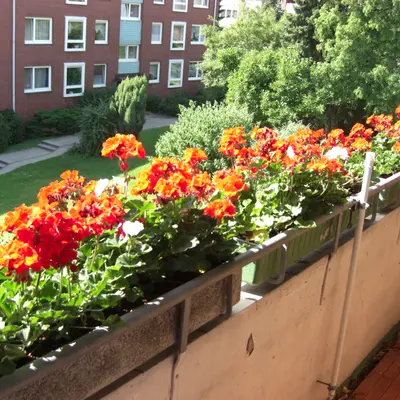
3-5" flower heads on compact, densely branched plants. Blooms spring through late summer, providing a long flowering window and color all season long. Ideal for containers, window boxes, and garden beds. Charming addition to early plant sales for market growers. Tolerates heat and humidity. Soft pink blooms contrast with dark green foliage. To maintain flowering and vigor, deadhead plants occasionally.
Harvest
85-100d
Days to harvest
Sun
Full sun
Zones
1–11
USDA hardiness
Height
12-24 inches
Planting Timeline
Showing dates for Maverick™ Appleblossom in USDA Zone 7
All Zone 7 flower →Zone Map
Click a state to update dates
Maverick™ Appleblossom · Zones 1–11
Growing Details
Complete Growing Guide
Light: Full sun (6 or more hours of direct sunlight a day). Height: 1 ft. 0 in. - 2 ft. 0 in.. Spread: 1 ft. 0 in. - 2 ft. 0 in.. Propagation: Stem Cutting.
Harvesting
Edibility: Leaves in tea and flavorings
Storage & Preservation
Fresh-cut Maverick™ Appleblossom flowers keep best in a cool location out of direct sun. Remove lower foliage that would sit below the waterline to prevent stem rot. Change water every 2-3 days and re-cut stem ends on a slight angle to maximize water uptake. Cut arrangements typically last 5-7 days indoors.
If you're growing Maverick™ primarily for seasonal color in beds and containers, preservation isn't typically necessary—the plant flowers continuously through frost. However, if you wish to preserve blooms: air dry by hanging small clusters upside-down in a cool, dark, well-ventilated space for 10-14 days until papery-dry. Dried Maverick™ blooms retain good color and work well in dried arrangements and crafts.
Alternatively, press individual flowers between parchment paper under heavy books for 2-3 weeks to create pressed flowers for cards, bookmarks, or herbarium keepsakes. Store dried or pressed flowers in a cool, dry location away from humidity to prevent mold.
History & Origin
Maverick™ Appleblossom is an F1 hybrid developed through controlled cross-pollination. Listed in the Johnny's Selected Seeds catalog.
Origin: Africa
Advantages
- +Edible: Leaves in tea and flavorings
Considerations
- -Toxic (Leaves): Low severity
- -Causes contact dermatitis
Companion Plants
Marigolds are the most practical neighbor for Maverick Appleblossom geraniums — French marigolds (Tagetes patula) in particular emit thiophenes from their roots that suppress root-knot nematodes in the surrounding soil, and the two plants have nearly identical water and sun requirements without crowding each other out at 12-inch spacing. Sweet alyssum along the front edge of a bed draws in parasitic wasps that prey on aphids, which can cluster on soft geranium stems in spring. Nasturtiums pull double duty as a trap crop, concentrating aphid colonies on themselves so you can deal with the problem in one spot rather than picking through the whole bed.
The harmful companions are chemistry problems, not competition ones. Black walnut roots release juglone, a compound that interferes with energy production in a wide range of ornamentals — geraniums don't tolerate it. Fennel is broadly allelopathic and tends to suppress whatever's planted within a foot or two of it. In our zone 7 Georgia garden, eucalyptus is rarely a planting consideration, but container-grown specimens can shed leaf litter that inhibits nearby plants as it decomposes — keep pots clear of the bed.
Plant Together
Marigolds
Repel aphids, whiteflies, and nematodes while attracting beneficial insects
Sweet Alyssum
Attracts beneficial insects like lacewings and hoverflies that control pests
Nasturtiums
Act as trap crops for aphids and cucumber beetles, drawing pests away
Lobelia
Provides complementary blue colors and attracts pollinators
Petunias
Repel aphids, tomato hornworms, and other garden pests
Cosmos
Attract beneficial insects and provide structural support in mixed plantings
Zinnia
Attract butterflies and beneficial predatory insects while providing color contrast
Bacopa
Complements trailing habit in containers and attracts small pollinators
Keep Apart
Black Walnut
Produces juglone toxin that inhibits growth of many flowering plants
Eucalyptus
Releases allelopathic compounds that suppress growth of nearby plants
Fennel
Inhibits growth of most garden plants through allelopathic root secretions
Troubleshooting Maverick™ Appleblossom
What you'll see, why it happens, and what to do about it.
Leaves yellowing and dropping, stems soft or mushy near the soil line
Likely Causes
- Pythium root rot — caused by consistently waterlogged soil, especially in containers without drainage
- Overwatering during cool, cloudy stretches when the plant isn't actively transpiring
What to Do
- 1.Pull the plant and inspect roots — brown, mushy roots confirm Pythium; trim them back to white tissue if any remains
- 2.Repot or replant into a well-draining mix and hold off watering until the top inch of soil is dry
- 3.Don't let containers sit in saucers of standing water — dump them within an hour of watering
Gray, fuzzy mold covering spent flowers and then spreading to stems and leaves
Likely Causes
- Botrytis cinerea (gray mold) — thrives in humid conditions with poor airflow, especially when old blooms aren't removed
- Crowded planting at less than 12-inch spacing
What to Do
- 1.Deadhead spent blooms every 3-5 days — don't let them sit and rot on the plant
- 2.Space plants at least 12 inches apart and avoid overhead watering; water at the base in the morning
- 3.Remove and bag (don't compost) any infected tissue; if the stem is girdled at that point, the branch is lost
Crisp, irregular holes chewed in leaves overnight, sometimes with a slime trail on the soil nearby
Likely Causes
- Slugs — common in mulched beds with overhead irrigation or after rain
- Tobacco budworm (Heliothis virescens) — also chews leaves and targets flower buds directly
What to Do
- 1.Scatter iron phosphate bait (Sluggo) around the base of plants after rain or irrigation — it's safe around pets and edibles
- 2.Check for budworm caterpillars by hand at dusk; drop them into soapy water
- 3.If slug pressure is high, pull mulch 2 inches back from the crown so they don't have a hiding spot right at the stem
Leaves develop pale, washed-out patches on the upper surface with a faint bronze or stippled look, no obvious spots
Likely Causes
- Spider mites (Tetranychus urticae) — almost always show up during hot, dry weather above 90°F
- Thrips (Frankliniella occidentalis) — feed on leaf tissue and cause similar silvering, also scar flower petals
What to Do
- 1.Flip a leaf and look with a hand lens — spider mites leave fine webbing and tiny moving specks; thrips are slender and fast-moving
- 2.Knock mites back with a strong spray of water from the hose directed at leaf undersides, repeated every 2-3 days
- 3.For thrips or mite pressure that doesn't respond to water alone, apply insecticidal soap or neem oil in the evening to avoid burning foliage in full sun
Frequently Asked Questions
How long does Maverick™ Appleblossom take to bloom?▼
Is Maverick™ Appleblossom good for beginners?▼
Can you grow Maverick™ Appleblossom in containers and pots?▼
When should I plant Maverick™ Appleblossom outdoors?▼
How often should I deadhead Maverick™ Appleblossom to keep it blooming?▼
Does Maverick™ Appleblossom need fertilizer?▼
Zone-by-Zone Planting Calendar
| Zone | Indoor Start | Transplant | Direct Sow | Harvest |
|---|---|---|---|---|
| Zone 1 | May – June | July – August | July – September | — |
| Zone 2 | April – May | June – July | June – August | — |
| Zone 11 | January – January | January – February | January – March | — |
| Zone 12 | January – January | January – February | January – March | — |
| Zone 13 | January – January | January – February | January – March | — |
| Zone 3 | April – May | June – July | June – August | — |
| Zone 4 | March – April | June – June | June – July | — |
| Zone 5 | March – April | May – June | May – July | — |
| Zone 6 | March – April | May – June | May – July | — |
| Zone 7 | February – March | April – May | April – June | — |
| Zone 8 | February – March | April – May | April – June | — |
| Zone 9 | January – February | March – April | March – May | — |
| Zone 10 | January – January | February – March | February – April | — |
Growing Guides from Wind River Greens
Sources & References
External authority sources used in compiling this guide.
- ExtensionNC State Extension
- BreederJohnny's Selected Seeds
See the Methodology page for how this data is sourced, what's AI-assisted, and known limitations.