Iris Bearded Immortality
Iris germanica 'Immortality'
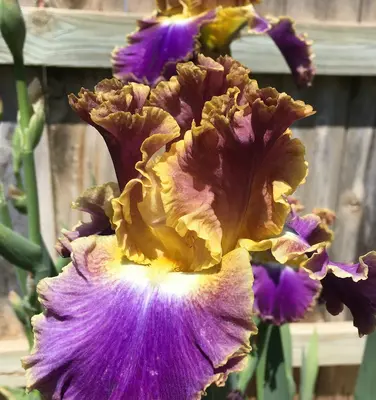
A breakthrough reblooming bearded iris that produces pristine white flowers in both late spring and again in fall, extending the iris season dramatically. The pure white standards and falls are accented with a bright yellow beard, creating a classic and elegant display. This reliable rebloomer has won numerous awards and is considered one of the best white iris varieties for consistent performance.
Sun
Full sun
Zones
5–9
USDA hardiness
Height
18-30 inches
Planting Timeline
Showing dates for Iris Bearded Immortality in USDA Zone 7
All Zone 7 flower →Zone Map
Click a state to update dates
Iris Bearded Immortality · Zones 5–9
Growing Details
Complete Growing Guide
Light: Full sun (6 or more hours of direct sunlight a day). Soil pH: Alkaline (>8.0), Neutral (6.0-8.0). Drainage: Good Drainage, Moist. Height: 1 ft. 6 in. - 2 ft. 6 in.. Spread: 1 ft. 0 in. - 2 ft. 0 in.. Spacing: Less than 12 inches, 12 inches-3 feet. Maintenance: Medium. Propagation: Division. Regions: Coastal, Mountains, Piedmont.
Harvesting
The fruits is a brown capsule and measures 2 inches long and 1 inch wide.
Color: Brown/Copper. Type: Capsule. Length: 1-3 inches. Width: < 1 inch.
Harvest time: Fall
Storage & Preservation
Fresh-cut iris stems last 5-7 days in arrangements when properly conditioned. Recut stems under running water and place in clean vases with fresh water plus flower food. Change water every 2-3 days and trim stems slightly each time. For preserving the flowers, iris petals can be dried using silica gel for craft projects—bury flowers completely in silica gel for 3-4 days until papery. Seeds can be stored in paper envelopes in a cool, dry location for 2-3 years, though germination rates decline over time. Rhizomes can be stored short-term (2-3 weeks) in a cool, dry, well-ventilated area if you need to delay planting after dividing.
History & Origin
Origin: North temperate America, Europe, Asia
Considerations
- -Toxic (Roots, Sap/Juice, Seeds): Low severity
- -Causes contact dermatitis
Companion Plants
Lavender, Allium, Catmint, and Salvia all work well alongside bearded iris because they share the same preferences — full sun, lean-to-moderate soil, good drainage — without crowding the rhizomes or shading them out. Alliums are worth a specific callout: their sulfur compounds are genuinely off-putting to aphids and thrips, both of which chew up iris foliage. Sedum and Ornamental Grasses fill the gaps between clumps without running aggressive roots into the zone where rhizomes need to breathe and catch sun.
Mint is a problem not because of chemistry but because of behavior — it spreads by underground runners fast enough to physically displace iris rhizomes within a single growing season, cutting off the airflow and direct sun they need to rebloom in fall. Black Walnut is a harder limit: it releases juglone from its roots and decomposing leaf litter, and Iris germanica is sensitive enough that even a partially shaded drip zone can cause dieback. Hostas round out the avoid list simply because they need the opposite conditions — consistent moisture and shade — and planting them near iris tends to mean one of them is always grown wrong.
Plant Together
Lavender
Repels pests like aphids and thrips, both prefer similar well-draining soil conditions
Allium
Natural pest deterrent against iris borers and aphids, blooms complement iris timing
Catmint
Deters aphids and ants, provides ground cover without competing for nutrients
Salvia
Attracts beneficial insects, similar sun and drainage requirements
Ornamental Grasses
Provides structural support and wind protection, complementary root systems
Sedum
Excellent drainage companion, helps prevent root rot in iris rhizomes
Peonies
Similar care requirements, sequential blooming extends garden interest
Daylilies
Complementary bloom times, both thrive in similar growing conditions
Keep Apart
Black Walnut
Produces juglone toxin that inhibits iris growth and can cause yellowing and death
Mint
Aggressive spreader that competes for space and nutrients, can overwhelm iris rhizomes
Hostas
Requires more moisture and shade, creates overly humid conditions promoting iris soft rot
Pests & Disease Resistance
Resistance
Good resistance to iris borer, moderate soft rot resistance
Common Pests
Iris borer, thrips, aphids, slugs
Diseases
Soft rot, leaf spot, crown rot in poorly drained soil
Troubleshooting Iris Bearded Immortality
What you'll see, why it happens, and what to do about it.
Leaves show ragged, water-soaked streaks in spring, then collapse from the center outward as the season progresses
Likely Causes
- Iris borer (Macronoctua onusta) — moth larvae hatch in spring and tunnel down the leaf into the rhizome
- Secondary soft rot (Erwinia carotovora) moving into the borer's entry wounds
What to Do
- 1.In early spring, before new growth hits 6 inches, squish any visible egg masses on old leaf debris and remove that debris entirely
- 2.If you find a mushy, foul-smelling rhizome, dig it up, cut out the rotted section with a clean knife, dust the cut surface with sulfur powder, and let it dry in the sun for a day before replanting
- 3.In fall, cut foliage down to about 6 inches and clear it away — this removes overwintering borer eggs
Rhizomes sitting in soggy soil fail to bloom and show soft, discolored patches at the base even without visible borer damage
Likely Causes
- Crown rot or soft rot driven by poor drainage — Iris germanica rhizomes are extremely intolerant of standing water
- Planting too deep, which traps moisture against the rhizome surface
What to Do
- 1.Dig the rhizomes, let them air-dry for 24–48 hours, then replant in a raised bed or amended bed with at least 12 inches of well-draining soil
- 2.Replant so the top of the rhizome sits at or just barely below the soil surface — NC State Extension specifically recommends keeping rhizomes partially exposed to sun
- 3.Work coarse sand or fine gravel into heavy clay before replanting; keeping pH between 6.5 and 7.0 also discourages rot pathogens
Frequently Asked Questions
How long does Iris Immortality take to bloom after planting?▼
Is Iris Immortality good for beginners?▼
Can you grow Iris Immortality in containers?▼
When should I plant Iris Immortality rhizomes?▼
Why isn't my Iris Immortality reblooming in fall?▼
How do you divide Iris Immortality?▼
Zone-by-Zone Planting Calendar
| Zone | Indoor Start | Transplant | Direct Sow | Harvest |
|---|---|---|---|---|
| Zone 3 | April – May | June – July | June – August | — |
| Zone 4 | March – April | June – June | June – July | — |
| Zone 5 | March – April | May – June | May – July | — |
| Zone 6 | March – April | May – June | May – July | — |
| Zone 7 | February – March | April – May | April – June | — |
| Zone 8 | February – March | April – May | April – June | — |
| Zone 9 | January – February | March – April | March – May | — |
| Zone 10 | January – January | February – March | February – April | — |
| Zone 1 | May – June | July – August | July – September | — |
| Zone 2 | April – May | June – July | June – August | — |
| Zone 11 | January – January | January – February | January – March | — |
| Zone 12 | January – January | January – February | January – March | — |
| Zone 13 | January – January | January – February | January – March | — |
Growing Guides from Wind River Greens
Sources & References
External authority sources used in compiling this guide.
- ExtensionNC State Extension
See the Methodology page for how this data is sourced, what's AI-assisted, and known limitations.