Gold Rush
Helianthus annuus
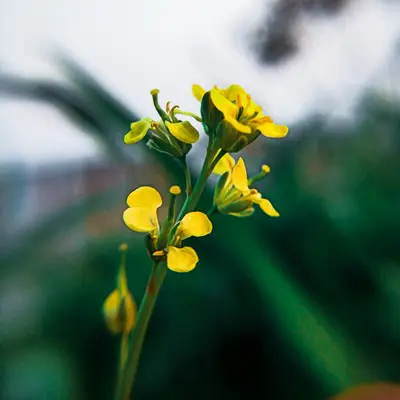
Rounded, overlapping, golden orange petals with chocolate-colored disk. Stem length is 18-32". 4-5" bloom size. Pollenless.
Harvest
60-65d
Days to harvest
Sun
Full sun
Zones
2–11
USDA hardiness
Height
1-10 feet
Planting Timeline
Showing dates for Gold Rush in USDA Zone 7
All Zone 7 flower →Zone Map
Click a state to update dates
Gold Rush · Zones 2–11
Growing Details
Succession Planting
Gold Rush gives you one main head per plant plus a handful of branching laterals, so a single sowing means one concentrated flush of blooms around days 60–65. If you want cut flowers across several weeks rather than all at once, direct sow every 2–3 weeks from April through June in zone 7, stopping by early July — anything sown later will be setting heads during the peak heat of August and tends to produce short, stressed plants. In zones 9–10, skip the summer gap entirely and pick back up with a late-August sowing for a fall run.
Complete Growing Guide
Gold Rush sunflowers thrive when direct sown into the garden after your last spring frost date has safely passed. Unlike some taller varieties that benefit from early indoor starts, Gold Rush performs exceptionally well with direct seeding, which also reduces transplant shock. Wait until soil temperatures reach at least 50°F before sowing, typically one to two weeks after your final frost date. Plant seeds about one inch deep and keep the soil consistently moist until seedlings emerge, which takes seven to ten days in warm conditions.
Space Gold Rush plants twelve to eighteen inches apart, depending on whether you want fuller, bushier plants or taller stems for cutting. Prepare soil by working in compost or well-draining potting mix, as this variety prefers fertile ground that doesn't retain excessive moisture. Good drainage is particularly important since Gold Rush's moderate height of eighteen inches to ten feet means plants can develop top-heavy, flower-laden stems that stress weak root systems if the soil stays soggy.
Water deeply at soil level three times weekly during establishment, then transition to deep watering twice weekly once plants reach six inches tall. During bloom time, maintain consistent moisture—neither drought-stressed nor waterlogged. Feed Gold Rush every two weeks with a balanced, slow-release fertilizer beginning when plants reach one foot in height, or side-dress with compost around the base. Reduce nitrogen feeding once flowering begins to prevent excessive stem elongation that could compromise the sturdy form this variety is known for.
Watch carefully for spider mites on Gold Rush, as the chocolate disk center and dense petal arrangement create warm microclimates that attract these pests. Check undersides of leaves weekly starting in mid-summer, especially during hot, dry spells. Powdery mildew can also affect this cultivar in humid regions; ensure adequate air circulation and avoid overhead watering. The pollenless characteristic of Gold Rush makes it valuable for cut flowers, but monitor for thrips that may still target the disk despite reduced pollen availability.
Since Gold Rush sunflowers are pollenless, they won't self-seed, eliminating volunteer plants next season. This also means you cannot save seeds for future planting. Succession planting every two weeks from late spring through mid-summer creates continuous blooms throughout fall, since the variety reaches maturity in just sixty days.
The critical mistake most gardeners make with Gold Rush is assuming the pollenless trait means zero maintenance. These flowers still require vigilant pest monitoring and consistent feeding schedules. The lack of pollen doesn't reduce the plant's nutritional demands or its susceptibility to environmental stress—it simply improves the flower's aesthetic and utility for indoor arrangements. Treat Gold Rush with the same care you'd give any premium cut-flower variety, and you'll achieve the stunning golden-orange blooms this cultivar is bred to produce.
Harvesting
Gold Rush reaches harvest at 60 - 65 days from sowing per Johnny's Selected Seeds. Expect 18-32". at peak. As an annual, harvest continues until frost ends the season.
Seeds are ovoid and somewhat flattened
Color: Black, Brown/Copper. Type: Achene. Length: < 1 inch. Width: < 1 inch.
Garden value: Edible
Harvest time: Fall
Edibility: Seeds are used for cooking oil, livestock feed, and as a snack food or garnish. Petals are edible and young flower buds can be steamed like artichokes.
Storage & Preservation
Gold Rush flowers should be stored upright in a cool room (65-72°F) with stems in water for fresh display. Keep away from direct sunlight, heat sources, and ripening fruit to maximize vase life. Without water, flowers will last 1-2 days on a dry counter; with water and proper conditioning, 7-10 days. Preservation methods: (1) Air-drying by hanging stems in a warm, dark, well-ventilated space for 2-3 weeks; (2) Pressing flowers between newspaper under weight for 2-4 weeks for crafts; (3) Freeze-drying or commercial drying methods preserve color and form for long-term arrangements.
History & Origin
Gold Rush is an F1 hybrid developed through controlled cross-pollination. Listed in the Johnny's Selected Seeds catalog.
Origin: Western United States
Advantages
- +Pollenless variety eliminates mess and allergen concerns for arrangements
- +Golden orange petals with chocolate disk create striking color contrast
- +Medium height of 18-32 inches suits most garden spaces well
- +Quick 60-65 day maturation allows multiple plantings per season
- +Easy difficulty level makes it ideal for beginner gardeners
Considerations
- -4-5 inch blooms are relatively small compared to giant varieties
- -Chocolate disk may attract more beetles than solid-faced types
- -Pollenless genetics can reduce appeal to native bee populations
Companion Plants
Marigolds (especially Tagetes patula) and nasturtiums pull the most weight here — marigolds push aphids and whiteflies away through root exudates, while nasturtiums take the hit as a trap crop, clustering aphids onto themselves and off your sunflowers. Sweet alyssum and cosmos bring in parasitic wasps and hoverflies that quietly reduce soft-bodied pest pressure without you doing much. Black walnut is the hard no: juglone leaches from its roots into surrounding soil and will stunt or kill Gold Rush outright, so don't plant within the drip line. Fennel gets lumped in for similar reasons — it suppresses most annuals growing nearby and doesn't earn mixed planting.
Plant Together
Marigolds
Repel nematodes and aphids while attracting beneficial insects
Nasturtiums
Act as trap crops for aphids and cucumber beetles
Sweet Alyssum
Attracts beneficial insects like lacewings and hoverflies
Cosmos
Provide vertical structure and attract pollinators
Lavender
Repels moths, fleas, and flies with strong fragrance
Zinnia
Attract butterflies and beneficial predatory insects
Sunflowers
Provide wind protection and attract pest-eating birds
Petunias
Repel aphids, tomato hornworms, and squash bugs
Keep Apart
Black Walnut
Releases juglone toxin that inhibits growth of many flowers
Eucalyptus
Allelopathic compounds suppress growth of nearby plants
Fennel
Inhibits growth of most garden plants through allelopathy
Troubleshooting Gold Rush
What you'll see, why it happens, and what to do about it.
Seedling stems pinched off at soil level, often overnight
Likely Causes
- Cutworms (Agrotis spp.) — fat gray or brown larvae that feed at night and hide in the top inch of soil during the day
- Damping off (Pythium or Rhizoctonia) — fungal rot that collapses the stem at the soil line, especially in cool, wet conditions
What to Do
- 1.For cutworms, press a cardboard collar 2 inches into the soil around each seedling stem at transplant time
- 2.For damping off, improve drainage and don't overwater seedlings — let the top half-inch dry out between waterings
- 3.If damping off hit your tray, ditch the remaining mix; don't reuse it
Leaves with pale yellow patches on top, powdery gray-white coating on the undersides, usually showing up mid-summer
Likely Causes
- Downy mildew (Plasmopara halstedii) — a water mold that thrives in humid nights and cool mornings
- Powdery mildew (Golovinomyces cichoracearum) — a different fungus, more common in dry heat with cool nights
What to Do
- 1.Space plants at least 12–18 inches apart to get air moving between them
- 2.Water at the base, not overhead, and do it in the morning so foliage dries fast
- 3.Remove and bin (don't compost) affected leaves as soon as you spot them — this slows spread
Heads partially eaten, seeds missing or chewed, damage appears as plants approach 60–65 days
Likely Causes
- Sunflower moth (Homoeosoma electellum) — larvae tunnel into developing seed heads
- Birds (finches, house sparrows) — tend to hit heads right as seeds begin to fill
What to Do
- 1.For sunflower moth, check for small larvae and webbing in the head; hand-pick if the infestation is light
- 2.Cover heads with a paper bag or row cover fabric once petals drop and seeds start to form — this works for both moths and birds
- 3.If you're growing Gold Rush for cut flowers rather than seeds, harvest at petal-open stage (around day 60) and this problem mostly disappears
Frequently Asked Questions
How long do Gold Rush flowers last in a vase?▼
Is Gold Rush a good flower for beginners to grow?▼
Can you grow Gold Rush flowers in containers?▼
When should I plant Gold Rush flowers?▼
What makes Gold Rush different from other cut flower varieties?▼
How do you harvest Gold Rush flowers for the longest vase life?▼
Zone-by-Zone Planting Calendar
| Zone | Indoor Start | Transplant | Direct Sow | Harvest |
|---|---|---|---|---|
| Zone 1 | May – June | July – August | July – September | — |
| Zone 2 | April – May | June – July | June – August | — |
| Zone 11 | January – January | January – February | January – March | — |
| Zone 12 | January – January | January – February | January – March | — |
| Zone 13 | January – January | January – February | January – March | — |
| Zone 3 | April – May | June – July | June – August | — |
| Zone 4 | March – April | June – June | June – July | — |
| Zone 5 | March – April | May – June | May – July | — |
| Zone 6 | March – April | May – June | May – July | — |
| Zone 7 | February – March | April – May | April – June | — |
| Zone 8 | February – March | April – May | April – June | — |
| Zone 9 | January – February | March – April | March – May | — |
| Zone 10 | January – January | February – March | February – April | — |
Growing Guides from Wind River Greens
Sources & References
External authority sources used in compiling this guide.
- BreederJohnny's Selected Seeds
See the Methodology page for how this data is sourced, what's AI-assisted, and known limitations.