Gaillardia Grandiflora Arizona Sun
Gaillardia x grandiflora 'Arizona Sun'
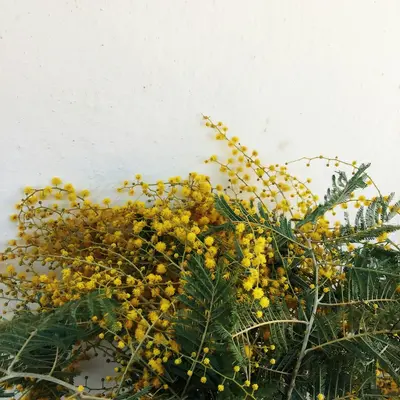
This award-winning blanket flower captivates with fiery red petals tipped in golden yellow, creating a stunning sunset effect in the garden. Exceptionally drought-tolerant and long-blooming, it attracts butterflies and beneficial insects while requiring minimal care. Perfect for xeriscaping and wildflower gardens where bold color is desired.
Sun
Full sun
Zones
3–9
USDA hardiness
Height
18-24 inches
Planting Timeline
Showing dates for Gaillardia Grandiflora Arizona Sun in USDA Zone 7
All Zone 7 flower →Zone Map
Click a state to update dates
Gaillardia Grandiflora Arizona Sun · Zones 3–9
Growing Details
Complete Growing Guide
Light: Full sun (6 or more hours of direct sunlight a day). Soil: Loam (Silt), Sand, Shallow Rocky. Drainage: Good Drainage. Height: 1 ft. 6 in. - 2 ft. 0 in.. Spread: 1 ft. 0 in. - 1 ft. 6 in.. Growth rate: Medium. Maintenance: Low. Propagation: Division, Seed, Stem Cutting. Regions: Coastal, Mountains, Piedmont.
Harvesting
Hairy achenes form from the disc flowers
Type: Achene.
Storage & Preservation
Fresh cut Gaillardia Arizona Sun flowers should be placed immediately in cool water and stored at 60-65°F for optimal vase life. Recut stems under running water and change vase water every 2-3 days to extend freshness up to one week.
For dried arrangements, harvest flowers at peak bloom and hang bundles upside down in a warm, dry, well-ventilated area away from direct sunlight. Flowers dry completely in 2-3 weeks, retaining much of their vibrant color. Air-dried Arizona Sun creates excellent everlasting arrangements and potpourri.
Press individual flowers between absorbent paper for craft projects, maintaining their distinctive sunset coloration. Seeds can be collected from spent flower heads left on plants until completely dry and brown, then stored in paper envelopes in a cool, dry location for up to 3 years.
History & Origin
Origin: North and South America
Advantages
- +Stunning fiery red and golden yellow blooms create dramatic sunset effect in gardens
- +Exceptional drought tolerance makes it ideal for water-conscious xeriscaping projects
- +Long blooming season provides continuous color from summer through fall
- +Award-winning variety attracts butterflies and beneficial insects naturally
- +Minimal care requirements perfect for beginner gardeners or low-maintenance landscapes
Considerations
- -Crown rot develops quickly in poorly drained or waterlogged soil conditions
- -Powdery mildew becomes problematic during extended periods of high humidity
- -Spider mites and aphids can infest plants despite generally easy care status
Companion Plants
Lavender, Salvia, and Coreopsis are the sharpest neighbors for Arizona Sun — all three thrive in lean, well-drained soil with minimal irrigation once established, so you're not caught trying to satisfy two different watering regimes in the same bed. Black-eyed Susan and Purple Coneflower extend the pollinator bloom window on either side of Gaillardia's peak, which matters in our zone 7 Georgia garden where you want something working from May through October. Keep Impatiens, Hostas, and Astilbe out of the picture entirely — all three need consistent moisture and partial shade, and meeting those needs will rot Gaillardia at the crown before August.
Plant Together
Lavender
Similar drought tolerance and attracts beneficial pollinators while repelling pests
Black-eyed Susan
Complementary bloom times and shared preference for full sun and well-drained soil
Salvia
Attracts beneficial insects and has similar water and light requirements
Marigold
Natural pest deterrent that repels harmful insects while attracting pollinators
Coreopsis
Similar growing conditions and extends the flowering season with complementary colors
Sedum
Excellent drainage companion that shares drought tolerance and attracts butterflies
Purple Coneflower
Native prairie companion with similar sun and soil needs, attracts beneficial insects
Ornamental Grasses
Provides structural contrast and wind protection while sharing low water requirements
Keep Apart
Impatiens
Requires consistently moist soil and shade, opposite of Gaillardia's drought tolerance needs
Hostas
Shade-loving plants that compete poorly in full sun conditions Gaillardia requires
Astilbe
Needs consistently moist, rich soil and partial shade, incompatible with Gaillardia's dry conditions
Pests & Disease Resistance
Resistance
Good resistance to most diseases, very hardy
Common Pests
Aphids, spider mites (rare)
Diseases
Crown rot in poorly drained soils, powdery mildew in humid conditions
Troubleshooting Gaillardia Grandiflora Arizona Sun
What you'll see, why it happens, and what to do about it.
Plant collapses at the crown — stem turns brown and mushy at soil level, often after a wet spell
Likely Causes
- Crown rot caused by Phytophthora or Pythium spp. — nearly always tied to poorly drained soil or overwatering
- Planting too deep, keeping the crown consistently moist
What to Do
- 1.Pull the plant — there's no saving a fully rotted crown; don't compost it
- 2.Amend the bed with coarse sand or fine pine bark before replanting to improve drainage
- 3.Set the next transplant so the crown sits at or just above the soil surface, never below
White powdery coating on leaves, usually appearing mid-summer when nights cool down but humidity stays high
Likely Causes
- Powdery mildew (Erysiphe cichoracearum) — a fungal issue that spreads by air, not water splash
- Crowded planting that cuts airflow between plants
What to Do
- 1.Space plants at least 12 inches apart — 15 is better in humid climates
- 2.Apply a dilute potassium bicarbonate spray (follow label rates) at first sign; it won't cure infected tissue but slows spread
- 3.Cut affected stems back hard after bloom — Gaillardia rebounds quickly and the new growth usually comes in clean
Leaves yellowing and curling, tiny moving dots on the undersides, stippled texture across the leaf surface
Likely Causes
- Two-spotted spider mites (Tetranychus urticae) — flare up during hot, dry stretches above 90°F
- Dusty conditions or drought-stressed plants, which mites actively seek out
What to Do
- 1.Blast the undersides of leaves with a strong stream of water three days running — knocks populations down fast without any product
- 2.If pressure persists, apply insecticidal soap or neem oil in the evening to avoid leaf burn
- 3.Water plants adequately during heat waves; a stressed plant draws mites the way standing water draws mosquitoes
Clusters of soft-bodied insects on new buds and stem tips, sticky honeydew residue on leaves below
Likely Causes
- Aphids (commonly Macrosiphum euphorbiae or Aphis gossypii) — congregate on tender new growth
- Excess nitrogen from over-fertilizing, which produces the lush, soft tissue aphids prefer
What to Do
- 1.Knock them off with a firm water spray — repeat every 2–3 days until populations drop
- 2.Hold back on fertilizer; Gaillardia grows in lean soil by nature and heavy feeding just invites pest pressure
- 3.Tolerate light aphid loads — parasitic wasps typically arrive within 7–10 days and do the work for you
Frequently Asked Questions
How long does Gaillardia Arizona Sun take to bloom from seed?▼
Can you grow Gaillardia Arizona Sun in containers?▼
Is Gaillardia Arizona Sun good for beginners?▼
When should I plant Gaillardia Arizona Sun seeds?▼
Does Gaillardia Arizona Sun come back every year?▼
What's the difference between Arizona Sun and other Gaillardia varieties?▼
Zone-by-Zone Planting Calendar
| Zone | Indoor Start | Transplant | Direct Sow | Harvest |
|---|---|---|---|---|
| Zone 1 | May – June | July – August | July – September | — |
| Zone 2 | April – May | June – July | June – August | — |
| Zone 11 | January – January | January – February | January – March | — |
| Zone 12 | January – January | January – February | January – March | — |
| Zone 13 | January – January | January – February | January – March | — |
| Zone 3 | April – May | June – July | June – August | — |
| Zone 4 | March – April | June – June | June – July | — |
| Zone 5 | March – April | May – June | May – July | — |
| Zone 6 | March – April | May – June | May – July | — |
| Zone 7 | February – March | April – May | April – June | — |
| Zone 8 | February – March | April – May | April – June | — |
| Zone 9 | January – February | March – April | March – May | — |
| Zone 10 | January – January | February – March | February – April | — |
Growing Guides from Wind River Greens
Sources & References
External authority sources used in compiling this guide.
- ExtensionNC State Extension
See the Methodology page for how this data is sourced, what's AI-assisted, and known limitations.