Flowerburst™ Red Shades
Achillea millefolium
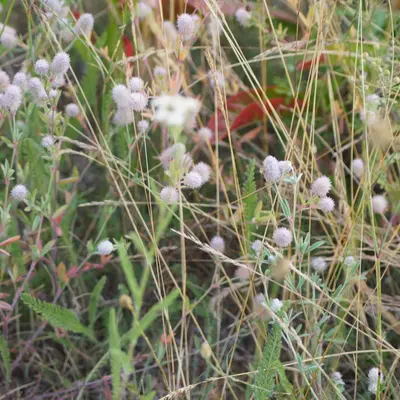
Long-lasting perennial in mostly red, rose, and lavender shades. Blooms make excellent cut flowers and reliable perennial garden plants with decorative, fern-like foliage. As cut flowers, the 2-4" flat-topped flower heads on 24" stems add bulk, durability, and beauty to bouquets. Long vase life. Flowerburst™ Red Shades is an F2 population. Flowers first year from seed. Low maintenance. Tolerates drought once established. Perennial in Zones 2-9. Attracts and supports beneficial insects such as damsel bugs, lacewings, lady beetles, and parasitic wasps.
Harvest
120-130d
Days to harvest
Sun
Full sun
Zones
3–9
USDA hardiness
Height
1-3 feet
Planting Timeline
Showing dates for Flowerburst™ Red Shades in USDA Zone 7
All Zone 7 flower →Zone Map
Click a state to update dates
Flowerburst™ Red Shades · Zones 3–9
Growing Details
Complete Growing Guide
Light: Full sun (6 or more hours of direct sunlight a day). Soil: High Organic Matter, Loam (Silt), Sand. Soil pH: Neutral (6.0-8.0). Drainage: Good Drainage, Occasionally Dry, Occasionally Wet. Height: 1 ft. 0 in. - 3 ft. 0 in.. Spread: 1 ft. 0 in. - 3 ft. 10 in.. Spacing: 12 inches-3 feet. Growth rate: Rapid. Maintenance: Low, Medium. Propagation: Division, Seed. Regions: Coastal, Mountains, Piedmont.
Harvesting
The small achene-like fruits are called cypsela
Type: Achene. Length: < 1 inch. Width: < 1 inch.
Edibility: Leaves and flowers are bitter, but can be eaten raw or cooked in moderation. They are used in salads and to make teas. The flowers and leaves are used in making some liquors and bitters.
Storage & Preservation
For fresh cut flowers, store stems in cool water (65–72°F) immediately after cutting, removing lower foliage to prevent bacterial growth. Keep in a cool location away from direct sunlight and ripening fruit. Change water every 2–3 days. Flowerburst cut flowers typically last 7–10 days in a vase. For preservation, hang-dry the flower heads in a cool, dark, well-ventilated space for long-lasting dried arrangements (lasting months to years). Alternatively, press individual flower heads between parchment paper under heavy weight for botanical crafts and decorative uses lasting indefinitely.
History & Origin
Origin: Europe, western Asia, North America,
Advantages
- +Attracts: Bees, Butterflies, Pollinators, Predatory Insects
- +Edible: Leaves and flowers are bitter, but can be eaten raw or cooked in moderation. They are used in salads and to make teas. The flowers and leaves are used in making some liquors and bitters.
- +Fast-growing
- +Low maintenance
Companion Plants
Marigolds (Tagetes spp.) and sweet alyssum are the two most practical companions for achillea. Marigolds' root secretions deter soil nematodes, and since achillea's own spreading rhizomes stay shallow — top 6–8 inches — the two don't compete much for resources. Sweet alyssum draws in parasitic wasps and hoverflies that prey on aphids, and its 4-inch height means it won't shade out the achillea or fight for light. Nasturtiums and cosmos work as easy gap-fillers; they don't need the same lean-soil conditions achillea prefers, but they're not aggressive enough to cause problems either.
Lavender and catmint are the most natural structural companions. All three plants want full sun and well-drained, low-fertility soil, so they're not pulling against each other for water or nutrients. They also stagger their bloom times in a useful way: catmint tends to peak in late spring, achillea through midsummer, and lavender bridges between them — which keeps pollinators working the bed across a longer stretch of the season.
Black walnut (Juglans nigra) produces juglone, a compound that leaches through the soil and stunts or kills a wide range of plants — achillea included. Keep it at least 50–60 feet from any walnut's drip line. Eucalyptus is a different mechanism: it releases allelopathic compounds through both root exudates and decomposing leaf litter that suppress nearby plants at the soil level. Sunflowers are subtler, but they produce allelopathic substances too, and their height and dense root competition can shade out achillea's crown right during its peak bloom window.
Plant Together
Marigolds
Repel nematodes and aphids while attracting beneficial insects
Sweet Alyssum
Attracts beneficial insects like lacewings and provides ground cover
Nasturtiums
Act as trap crop for aphids and cucumber beetles, repel squash bugs
Zinnia
Attracts pollinators and beneficial predatory insects like ladybugs
Cosmos
Attracts beneficial insects and provides habitat for pest predators
Lavender
Repels moths, fleas, and mosquitoes while attracting pollinators
Catmint
Deters ants, aphids, and rodents while attracting beneficial insects
Petunias
Natural pest deterrent against aphids, tomato hornworms, and squash bugs
Keep Apart
Black Walnut
Produces juglone which is toxic to many flowering plants
Eucalyptus
Releases allelopathic compounds that inhibit growth of nearby plants
Sunflowers
Allelopathic effects can stunt growth of smaller flowering plants nearby
Troubleshooting Flowerburst™ Red Shades
What you'll see, why it happens, and what to do about it.
Powdery white coating on leaves and stems, usually appearing mid-summer when nights cool down
Likely Causes
- Powdery mildew (Erysiphe cichoracearum) — favored by warm days, cool nights, and poor airflow
- Crowded planting that traps humidity around the crown
What to Do
- 1.Cut affected stems back to the base; achillea rebounds fast
- 2.Space plants at least 18 inches apart to get air moving through the crown
- 3.Apply a diluted neem oil spray (2 tbsp per gallon) every 7 days until symptoms stop spreading
Stems flopping over or sprawling flat by midsummer, especially in rich soil
Likely Causes
- Overly fertile soil — achillea evolved in lean conditions and produces weak, elongated stems when nitrogen is high
- Insufficient sun; fewer than 6 hours and the stems stretch toward light
What to Do
- 1.Skip the compost amendment before planting; achillea doesn't need it and will repay you with floppiness if you add it
- 2.Cut the whole plant back by one-third after the first flush of bloom — this is called the Chelsea Chop and it firms up the plant for the rest of the season
- 3.Move divisions to a sunnier spot next spring if shade is the culprit
Crowded clump producing fewer and smaller blooms than the first year or two
Likely Causes
- Root congestion — achillea spreads by rhizome and exhausts its own planting area within 3–4 years
- Center dieback, where the middle of the clump dies out while the edges stay green
What to Do
- 1.Dig the entire clump in early spring before growth hits 4 inches, divide it into fist-sized sections, and replant only the vigorous outer pieces
- 2.Discard the woody center — it won't recover regardless of what you feed it
- 3.Repeat the division every 2–3 years to keep bloom size up
Tan or rust-colored pustules on leaf undersides, sometimes with yellow patches on the upper surface
Likely Causes
- Achillea rust (Puccinia millefolii) — a fungal pathogen that overwinters in plant debris
- Overhead watering that keeps foliage wet overnight
What to Do
- 1.Remove and trash (not compost) all infected leaves immediately
- 2.Switch to drip irrigation or water at the base of the plant in the morning so foliage dries before nightfall
- 3.Cut the whole plant to the ground in fall and clear all debris; Puccinia spores overwinter in dead stems and leaves
Frequently Asked Questions
How long do Flowerburst Red Shades flowers last in a vase?▼
Is Flowerburst Red Shades good for beginner gardeners?▼
Can you grow Flowerburst Red Shades in containers?▼
When should I plant Flowerburst Red Shades seeds?▼
Do Flowerburst Red Shades flowers attract pollinators?▼
What colors do Flowerburst Red Shades come in?▼
Zone-by-Zone Planting Calendar
| Zone | Indoor Start | Transplant | Direct Sow | Harvest |
|---|---|---|---|---|
| Zone 3 | April – May | June – July | June – August | — |
| Zone 4 | March – April | June – June | June – July | — |
| Zone 5 | March – April | May – June | May – July | — |
| Zone 6 | March – April | May – June | May – July | — |
| Zone 7 | February – March | April – May | April – June | — |
| Zone 8 | February – March | April – May | April – June | — |
| Zone 9 | January – February | March – April | March – May | — |
| Zone 10 | January – January | February – March | February – April | — |
| Zone 1 | May – June | July – August | July – September | — |
| Zone 2 | April – May | June – July | June – August | — |
| Zone 11 | January – January | January – February | January – March | — |
| Zone 12 | January – January | January – February | January – March | — |
| Zone 13 | January – January | January – February | January – March | — |
Growing Guides from Wind River Greens
Sources & References
External authority sources used in compiling this guide.
- ExtensionNC State Extension
- BreederJohnny's Selected Seeds
See the Methodology page for how this data is sourced, what's AI-assisted, and known limitations.