Firecracker
Helianthus annuus
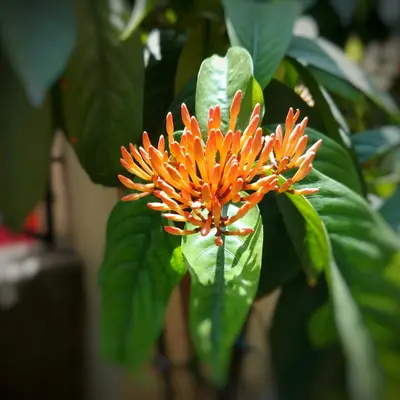
Compact plants produce a mass of bright 4-6" bicolored flowers that are great in containers. 16-36" long stems. Pollenless.
Harvest
50-60d
Days to harvest
Sun
Full sun
Zones
2–11
USDA hardiness
Height
1-10 feet
Planting Timeline
Showing dates for Firecracker in USDA Zone 7
All Zone 7 flower →Zone Map
Click a state to update dates
Firecracker · Zones 2–11
Growing Details
Succession Planting
Firecracker sunflowers bloom once per stem, so if you want a continuous supply of cut flowers through summer, you need to keep sowing. Direct sow every 14 days from April 1 through June 15 in zone 7; that cadence produces a rolling harvest window from roughly late June through early September. Stop once daytime highs are consistently above 90°F — germination rates drop sharply and seedlings established in baked soil tend to produce short stems with undersized heads.
If you started transplants indoors in February or March, get them in the ground after your last frost date and run direct-sown successions behind them. In zones 8 and above, don't push successions past July 1 — the 50-60 day days-to-harvest window lands you squarely in peak heat, which shortens petal development and cuts vase life considerably.
Complete Growing Guide
Firecracker sunflowers are best direct-sown into garden soil after your last frost date, as they germinate quickly and don't appreciate transplanting. Simply push seeds about three-quarters of an inch into warm soil once nighttime temperatures stay above 50°F. For most regions, this means late spring, though you can succession plant every two weeks through mid-summer for continuous blooms. If you prefer a head start indoors, sow seeds in peat pots about three weeks before your last frost, keeping soil consistently moist until germination occurs in five to ten days.
Space Firecracker plants 12 to 18 inches apart, as their compact growth habit means they won't sprawl like taller sunflower varieties. Prepare soil by working in compost or well-rotted manure to improve drainage and fertility; sunflowers prefer slightly alkaline to neutral soil with a pH around 6.0 to 7.5. While these plants tolerate average garden soil, rich, well-draining conditions will maximize flower production. Avoid overly acidic soils, which can stunt growth in this particular variety.
Water deeply and consistently during establishment, providing about an inch per week through rainfall or irrigation. Once established, Firecracker is relatively drought-tolerant, though regular watering encourages denser flowering. Feed with a balanced fertilizer every three weeks once plants reach six inches tall, or use a slow-release granular fertilizer at planting time. Excessive nitrogen promotes foliage at the expense of blooms, so resist the urge to over-fertilize.
Watch for spider mites on Firecracker, particularly in hot, dry conditions. This variety seems especially susceptible to mite damage when stressed by drought. Regular misting or adequate watering helps prevent infestations. Powdery mildew can also appear on the foliage in humid conditions; ensure good air circulation around plants and remove affected leaves promptly.
The pollenless nature of Firecracker makes it exceptional for cut flowers and arrangements without the mess, but many gardeners mistakenly believe this means no deadheading is needed. While you won't get pollen on arrangements, removing spent flowers encourages the plant to produce more blooms throughout the season. Pinch back the main stem when plants are 12 inches tall to promote branching and a fuller, bushier shape with more flowering stems.
One critical mistake gardeners make with Firecracker is planting it in partial shade. Despite the variety's compact size and excellent container performance, it absolutely demands full sun—at least six to eight hours daily. Insufficient light results in weak, leggy growth and significantly fewer flowers. Even though these sunflowers are forgiving and easy to grow, sunlight is their non-negotiable requirement for success.
Harvesting
Firecracker reaches harvest at 50 - 60 days from sowing per Johnny's Selected Seeds. Expect 4-6" at peak. As an annual, harvest continues until frost ends the season.
Seeds are ovoid and somewhat flattened
Color: Black, Brown/Copper. Type: Achene. Length: < 1 inch. Width: < 1 inch.
Garden value: Edible
Harvest time: Fall
Edibility: Seeds are used for cooking oil, livestock feed, and as a snack food or garnish. Petals are edible and young flower buds can be steamed like artichokes.
Storage & Preservation
Firecracker flowers are best kept in cool conditions to extend vase life. Store fresh-cut stems in a refrigerator at 35-40°F with 80-90% humidity for 7-10 days. Change water every 2-3 days and trim stems at an angle. For preservation, air-dry blooms in a cool, dark, well-ventilated space for 2-3 weeks to create lasting dried arrangements. Alternatively, press flowers between parchment paper under heavy books for 1-2 weeks to preserve them flat for crafting. Silica gel drying takes 3-5 days and maintains vibrant color well.
History & Origin
Firecracker is an F1 hybrid developed through controlled cross-pollination. Listed in the Johnny's Selected Seeds catalog.
Origin: Western United States
Advantages
- +Compact growth habit makes these sunflowers ideal for container gardening
- +Bright bicolored flowers provide striking visual appeal in arrangements
- +Pollenless variety reduces allergens and keeps arrangements cleaner longer
- +50-60 day maturity offers relatively quick blooms from seed
- +Mass flower production creates abundant cutting material per plant
Considerations
- -Medium stem length limits use in tall floral arrangements
- -Container growing requires consistent watering during hot weather
- -Bicolor patterns may fade slightly in intense direct sunlight
Companion Plants
Marigolds and nasturtiums are the most practical companions here. French marigolds (Tagetes patula) release alpha-terthienyl from their roots, which suppresses root-knot nematodes in the surrounding soil — a real chemical mechanism, not folk wisdom. Nasturtiums work differently: aphids genuinely prefer them over sunflowers, so a nasturtium planting a foot away acts as a trap crop you can yank and discard when it gets loaded. Zinnias and cosmos round out a cutting-garden bed well — they share Firecracker's full-sun, warm-season preference and root at a shallower depth than sunflowers, so they're not competing for the same water column.
The harmful companions are worth a hard boundary. Black walnut (Juglans nigra) leaches juglone through its root zone and decomposing leaf debris, and sunflowers are notably sensitive to it — 80 feet of clearance is the commonly cited safe distance. Eucalyptus is a similar problem: its leaf litter breaks down into allelopathic compounds that inhibit germination and root development in neighboring plants. Fennel causes slower, less dramatic damage — its roots exude apolecin, which stunts many garden plants over time — but it's still not a neighbor you want within the same bed. Give fennel its own container and leave it there.
Plant Together
Marigolds
Repel nematodes and aphids while attracting beneficial insects
Nasturtiums
Act as trap crops for aphids and cucumber beetles
Zinnia
Attract pollinators and beneficial predatory insects like ladybugs
Cosmos
Provide habitat for beneficial insects and complement growth habits
Sweet Alyssum
Attracts hover flies and parasitic wasps that control pests
Lavender
Repels moths, fleas, and mosquitoes with aromatic oils
Catnip
Deters ants, aphids, and mosquitoes more effectively than DEET
Sunflowers
Provide beneficial shade and attract pollinators and seed-eating birds
Keep Apart
Black Walnut
Releases juglone toxin that inhibits growth of most flowering plants
Eucalyptus
Produces allelopathic compounds that suppress nearby plant growth
Fennel
Inhibits growth of most garden plants through allelopathic root secretions
Troubleshooting Firecracker
What you'll see, why it happens, and what to do about it.
Seedling stems pinched off at soil level, whole plant toppled overnight
Likely Causes
- Cutworms (Agrotis spp.) — fat gray or brown caterpillars that feed at night just below the soil surface
- Transplanting without collar protection into beds with known cutworm history
What to Do
- 1.Press a cardboard or aluminum foil collar 2 inches into the soil around each stem at transplant time
- 2.Scatter diatomaceous earth in a ring around the base of each seedling
- 3.If losses are high, drench the soil with Steinernema carpocapsae nematodes before your next sowing
Leaves stippled silver-gray with fine webbing on the undersides, especially during hot dry stretches
Likely Causes
- Two-spotted spider mite (Tetranychus urticae) — population explosions happen fast when temperatures stay above 85°F and humidity drops
What to Do
- 1.Blast the undersides of leaves with a strong stream of water every 2-3 days to knock mites off before populations establish
- 2.Apply insecticidal soap or neem oil in the early morning — never in midday heat, or you'll burn the foliage
- 3.Remove and bag the worst-affected leaves rather than composting them
White powdery coating spreading across upper leaf surfaces, usually mid-to-late season
Likely Causes
- Powdery mildew (Erysiphe cichoracearum) — common on sunflowers, spreads faster in crowded plantings with poor airflow
- Spacing plants closer than 12 inches, which traps humidity around the foliage
What to Do
- 1.Thin or stake plants so airflow improves — 12 to 18 inches between plants is the minimum
- 2.Spray affected foliage with a diluted potassium bicarbonate solution (follow label rates) at first sign of outbreak
- 3.Pull and trash infected leaves; don't compost them — the spores overwinter
Flower heads drooping or seeds stripped before fully ripe, husks scattered on the ground below
Likely Causes
- Birds — finches, sparrows, and jays will strip a sunflower head in a single morning
- Squirrels, which will snap the stem entirely to carry the head off
What to Do
- 1.Loosely tie a mesh onion bag or piece of cheesecloth over each head once the petals drop and the seeds begin to fill out
- 2.Cut heads early — when the back of the head turns yellow-brown — and hang them to dry indoors out of reach
- 3.If you're growing Firecracker for cut flowers rather than seed, harvest at bud-break stage and this problem disappears entirely
Frequently Asked Questions
How long do Firecracker flowers last in a vase?▼
Can I grow Firecracker flowers in containers?▼
Is Firecracker a good flower variety for beginners?▼
When should I plant Firecracker flower seeds?▼
What makes Firecracker flowers unique for arrangements?▼
Zone-by-Zone Planting Calendar
| Zone | Indoor Start | Transplant | Direct Sow | Harvest |
|---|---|---|---|---|
| Zone 1 | May – June | July – August | July – September | — |
| Zone 2 | April – May | June – July | June – August | — |
| Zone 11 | January – January | January – February | January – March | — |
| Zone 12 | January – January | January – February | January – March | — |
| Zone 13 | January – January | January – February | January – March | — |
| Zone 3 | April – May | June – July | June – August | — |
| Zone 4 | March – April | June – June | June – July | — |
| Zone 5 | March – April | May – June | May – July | — |
| Zone 6 | March – April | May – June | May – July | — |
| Zone 7 | February – March | April – May | April – June | — |
| Zone 8 | February – March | April – May | April – June | — |
| Zone 9 | January – February | March – April | March – May | — |
| Zone 10 | January – January | February – March | February – April | — |
Growing Guides from Wind River Greens
Sources & References
External authority sources used in compiling this guide.
- BreederJohnny's Selected Seeds
See the Methodology page for how this data is sourced, what's AI-assisted, and known limitations.