Dreams™ Mix
Petunia X hybrida
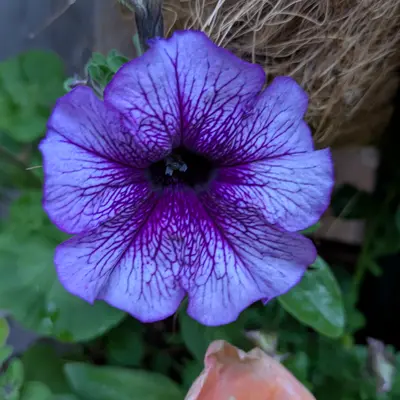
Easy to grow from seed, petunias are a classic choice for containers, window boxes, and garden beds. The Dreams series provides an upright, mounding plant habit in a wide range of colors. Mix includes white, coral, red, blue, and pink - the perfect color combination for cottage gardens and cheerful containers. Profuse blooms are 2-3" wide. Compared to the Easy Wave series, the plant habit of the Dreams series is more upright and mounding, whereas Easy Wave is more spreading. Plants reach approximately 8-15" tall and 10-18" wide. A grandiflora-type petunia.
Harvest
70-85d
Days to harvest
Sun
Full sun
Zones
1–11
USDA hardiness
Height
8-15 inches
Planting Timeline
Showing dates for Dreams™ Mix in USDA Zone 7
All Zone 7 flower →Zone Map
Click a state to update dates
Dreams™ Mix · Zones 1–11
Growing Details
Succession Planting
Start seeds indoors 10–12 weeks before your last frost date — Dreams Mix needs that long lead time because petunia seed is tiny and slow. In zone 7, that means sowing under lights in mid-February, then transplanting out in late April once nights stay reliably above 45°F. Two indoor sowings staggered about 3 weeks apart (say, February 10 and March 3) will extend your peak bloom window, since individual plants tend to get leggy by midsummer. Cut them back by about a third in July and they'll flush again into fall.
Complete Growing Guide
Growing Dreams™ Mix (Petunia X hybrida) flower. Light: Full sun. Hardy in USDA zones 1 to 11. Days to maturity: 70. Difficulty: Easy.
Harvesting
Dreams™ Mix reaches harvest at 70 - 85 days from sowing per Johnny's Selected Seeds. Expect 2-3" at peak. As an annual, harvest continues until frost ends the season.
This is an ornamental variety — not grown for harvest. Enjoy in the garden landscape.
Storage & Preservation
Dreams™ Mix petunias are ornamental flowers meant to be enjoyed fresh in the garden or cut arrangements. Store cut flowers in a cool location (65-72°F) in water with floral preservative, changing water every 2-3 days. Keep away from direct sunlight and ripening fruit to extend vase life (7-10 days). For seed saving, allow flowers to mature and develop seed pods, then dry completely before storing in a cool, dry place (40-50°F, low humidity) in paper envelopes. Dried seeds remain viable for 2-3 years when stored properly.
History & Origin
Petunia is a genus of 20 species of flowering plants of South American origin. The popular flower of the same name derived its epithet from the French, which took the word pétun, 'tobacco', from a Tupi–Guarani language. A tender perennial plant, most of the varieties seen in gardens are hybrids.
Advantages
- +Easy to grow from seed with 70-85 day maturity timeline
- +Wide color mix of five vibrant colors suits diverse garden styles
- +Profuse 2-3 inch blooms provide abundant flowers throughout season
- +Upright mounding habit works well for containers and garden beds
- +Grandiflora-type flowers make bold visual impact in landscapes
Considerations
- -Larger flowers prone to rain damage and splitting during storms
- -Requires consistent deadheading to maintain continuous profuse blooming
- -Dreams series more upright than spreading types for smaller spaces
Companion Plants
Marigolds (especially French marigolds, Tagetes patula) are the most practical neighbor here — their volatile compounds deter aphids and whiteflies through scent, which matters since both pests hit petunias hard. Sweet alyssum draws in parasitic wasps and hoverflies that prey on those same insects, and it fills in the gaps at ground level without much root competition. Catmint and lavender add structural contrast and repel spider mites. Black walnut is the one to plant nowhere near petunias — juglone, the allelopathic compound black walnuts release, will stunt or kill them, and the toxic root zone of a mature tree runs wider than most people expect.
Plant Together
Marigolds
Repel nematodes, aphids, and whiteflies while attracting beneficial insects
Sweet Alyssum
Attracts beneficial insects like hoverflies and parasitic wasps for pest control
Nasturtiums
Act as trap crops for aphids and cucumber beetles while repelling squash bugs
Lavender
Repels moths, fleas, and mosquitoes while attracting pollinators
Cosmos
Attract beneficial insects and provide structural support without competing for nutrients
Zinnias
Attract butterflies and beneficial insects while having similar growing requirements
Catmint
Repels ants, aphids, and rodents while attracting pollinators
Sunflowers
Provide natural support structure and attract beneficial birds for pest control
Keep Apart
Black Walnut
Releases juglone toxin that inhibits growth and can kill sensitive flowering plants
Eucalyptus
Allelopathic properties suppress germination and growth of nearby plants
Fennel
Inhibits growth of most garden plants through allelopathic compounds
Pests & Disease Resistance
Common Pests
Aphids, spider mites, whiteflies
Diseases
Botrytis, powdery mildew, root rot
Troubleshooting Dreams™ Mix
What you'll see, why it happens, and what to do about it.
Sticky, distorted new growth with clusters of small soft-bodied insects on stems and buds
Likely Causes
- Aphid infestation (commonly green peach aphid, Myzus persicae) — they congregate on tender tissue and reproduce fast in warm weather
- Whiteflies (Trialeurodes vaporariorum) — check the undersides of leaves; they scatter in a white cloud when disturbed
What to Do
- 1.Knock aphids off with a firm spray of water from the hose — do this in the morning so foliage dries before evening
- 2.For persistent colonies, apply insecticidal soap directly to the insects; coat undersides of leaves thoroughly
- 3.Check for ant trails leading up the stems — ants farm aphids, and controlling ants breaks the cycle
Gray-brown fuzzy patches on flowers or stems, usually after a stretch of cool, wet weather
Likely Causes
- Botrytis blight (Botrytis cinerea) — thrives in temps between 55–75°F with high humidity and poor airflow
- Spent blooms left on the plant, which give Botrytis an easy entry point
What to Do
- 1.Deadhead spent flowers every 2–3 days — don't leave faded blooms sitting on the plant
- 2.Trim out any visibly infected tissue and bag it; don't compost it
- 3.Space plants at least 10 inches apart and avoid overhead watering in the evening
Wilting despite moist soil, stems turning brown or mushy at the base, plant collapses
Likely Causes
- Root rot — most often Pythium or Phytophthora species — triggered by consistently waterlogged soil or pots without drainage
- Planting in heavy clay soil without amendment, which holds water around the crown
What to Do
- 1.Pull the plant; if roots are brown and slimy rather than white and firm, root rot is confirmed and the plant won't recover — remove it
- 2.Before replanting in that spot, improve drainage by working in perlite or coarse compost, or switch to a raised bed
- 3.Water only when the top inch of soil feels dry — petunias handle a little drought far better than they handle wet feet
Frequently Asked Questions
How long do petunias bloom?▼
Are petunias good for beginners?▼
Can you grow Dreams™ Mix petunias in containers?▼
When should I plant Dreams™ Mix petunias?▼
What colors are included in Dreams™ Mix?▼
How wide do Dreams™ Mix petunias spread?▼
Zone-by-Zone Planting Calendar
| Zone | Indoor Start | Transplant | Direct Sow | Harvest |
|---|---|---|---|---|
| Zone 3 | April – May | June – July | June – August | — |
| Zone 4 | March – April | June – June | June – July | — |
| Zone 5 | March – April | May – June | May – July | — |
| Zone 6 | March – April | May – June | May – July | — |
| Zone 7 | February – March | April – May | April – June | — |
| Zone 8 | February – March | April – May | April – June | — |
| Zone 9 | January – February | March – April | March – May | — |
| Zone 10 | January – January | February – March | February – April | — |
| Zone 1 | May – June | July – August | July – September | — |
| Zone 2 | April – May | June – July | June – August | — |
| Zone 11 | January – January | January – February | January – March | — |
| Zone 12 | January – January | January – February | January – March | — |
| Zone 13 | January – January | January – February | January – March | — |
Growing Guides from Wind River Greens
Sources & References
External authority sources used in compiling this guide.
- BreederJohnny's Selected Seeds
See the Methodology page for how this data is sourced, what's AI-assisted, and known limitations.