Desert Sun
Helianthus annuus
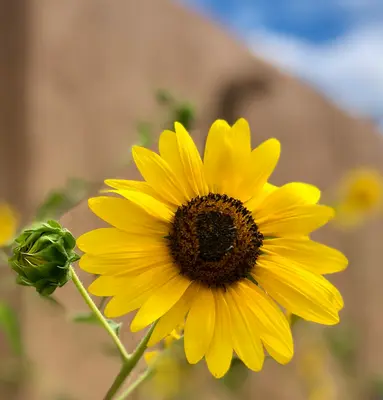
Vigorous plants and strong stems support high-quality bicolor blooms. Rich red petals shift to lemon and gold hues at the petal edges. 5-7" wide blooms. 18-24" long stems are very straight and strong for use as cut flowers. Pollenless. Branching. Compared to Strawberry Blonde, Desert Sunrise is slightly later to bloom and with a flower color that is richer and more vibrant. Edible Flowers: Flower buds can be fried and the petals used as a garnish in salads and desserts; the flavor is bittersweet.
Harvest
65-75d
Days to harvest
Sun
Full sun
Zones
2–11
USDA hardiness
Height
1-10 feet
Planting Timeline
Showing dates for Desert Sun in USDA Zone 7
All Zone 7 flower →Zone Map
Click a state to update dates
Desert Sun · Zones 2–11
Growing Details
Succession Planting
Desert Sun is a hybrid annual that generally puts its energy into one main head per stem, so succession sowing is the move if you want a continuous cut-flower harvest rather than a single flush. In zone 7, direct sow every 3 weeks from April through early June; stop by late June or the plants will be racing first frost before they clear 65 days. If you started indoors in February or March, get transplants in the ground by late April once nights stay reliably above 50°F.
Three or four small batches will serve you better than one big planting. A batch sown April 1, another around April 21, and a third around May 12 will spread blooms across July and August instead of dropping them all at once.
Complete Growing Guide
Desert Sun sunflowers are best started from direct sowing seeds into the garden after all danger of frost has passed and soil temperatures have warmed to at least 50°F. In most regions, this timing aligns with your last frost date or one to two weeks after. While you can start seeds indoors in peat pots four to six weeks before your last frost, direct sowing is often more successful with sunflowers since they dislike transplanting. Simply push seeds about three-quarters of an inch deep into prepared soil and water gently. For this particular variety, which reaches heights between 18 inches and 10 feet depending on growing conditions, space plants 12 to 18 inches apart to allow adequate air circulation around the vigorous stems and prevent crowding as they mature.
Prepare your planting area by loosening soil to at least eight inches deep and mixing in compost or well-rotted organic matter. Desert Sun thrives in full sun—at least six to eight hours daily—and prefers soil that drains well. While sunflowers are generally tolerant of average soil, this variety's heavy flower production and long, straight stems benefit from soil enriched with organic material that promotes steady growth without excessive nitrogen, which can weaken stems.
Water deeply and consistently during the first month after germination to establish strong root systems. Once established, Desert Sun is relatively drought-tolerant, but for optimal stem strength and flower quality, provide about one inch of water weekly through rain or irrigation. During hot spells, you may need to water more frequently. Feed plants every two to three weeks with a balanced, water-soluble fertilizer, or apply a slow-release fertilizer at planting time. Avoid over-fertilizing, as excessive nitrogen encourages weak stems despite the variety's naturally vigorous growth habit.
Monitor for spider mites and whiteflies, which can stress Desert Sun's foliage and reduce flower quality. The pollenless characteristic of this variety makes it particularly appealing for cut flowers, but also means certain pests may target the plant more readily in search of pollen elsewhere in the garden. Regularly inspect undersides of leaves and treat with insecticidal soap if populations appear.
For extended harvests and continuous blooms, try succession planting by sowing seeds every two weeks through midsummer. Since Desert Sun branches readily, pinching out the central stem when plants reach 12 inches tall will encourage multiple flower-bearing side shoots rather than a single dominant stem. This technique works beautifully with the variety's natural branching tendency and maximizes your cut flower yield.
The most common mistake gardeners make with Desert Sun is underestimating its water needs during the critical period between flowering and seed development. Even though mature plants tolerate drought, inconsistent watering during bloom formation reduces stem straightness and flower size, defeating the purpose of growing this premium cut-flower variety.
Harvesting
Desert Sun reaches harvest at 65 - 75 days from sowing per Johnny's Selected Seeds. Expect 5-7" at peak. As an annual, harvest continues until frost ends the season.
Seeds are ovoid and somewhat flattened
Color: Black, Brown/Copper. Type: Achene. Length: < 1 inch. Width: < 1 inch.
Garden value: Edible
Harvest time: Fall
Edibility: Seeds are used for cooking oil, livestock feed, and as a snack food or garnish. Petals are edible and young flower buds can be steamed like artichokes.
Storage & Preservation
Fresh-cut Desert Sun stems last 7-10 days in a clean vase with floral preservative changed every two days. For cut flowers, immediately place harvested stems in cool water indoors. Remove any foliage below the waterline to prevent bacterial growth. Store at 55-65°F away from ripening fruit and direct sun. Edible petals and buds should be used fresh for best flavor and appearance—store unwashed in a breathable container in the refrigerator for up to 3 days. To preserve petals, dry them on screens in a warm, dark, well-ventilated space (3-5 days), then store in airtight containers away from light. Dried petals retain their vibrant color for several months and work well in tea blends or as culinary garnishes.
History & Origin
Desert Sun is an F1 hybrid developed through controlled cross-pollination. Listed in the Johnny's Selected Seeds catalog.
Origin: Western United States
Advantages
- +Vigorous growth with strong, straight stems ideal for professional cut flower arrangements.
- +Stunning bicolor blooms with rich red centers transitioning to lemon-gold edges.
- +Pollenless variety eliminates mess and allergen concerns indoors.
- +Edible flower buds and petals offer culinary and garnish applications.
- +Relatively quick maturation at 65-75 days from planting to bloom.
Considerations
- -Slightly later blooming than comparable variety Strawberry Blonde delays harvest timeline.
- -Branching habit requires more pruning effort for single-stem cut flower production.
- -Susceptible to typical sunflower fungal diseases in humid or poorly ventilated conditions.
Companion Plants
Lavender, Rosemary, and Sage all share Desert Sun's preference for drier, well-drained conditions and full sun — they won't compete aggressively for water or crowd out roots. Desert Marigold and Blanket Flower are a similar story: low water demand, open growth habits, and both pull in the predatory wasps and native bees that keep aphid populations from building up on your sunflowers. Penstemon adds vertical interest without shading the base. These are practical pairings, not just aesthetic ones.
Mint is the main one to keep out of the bed. It spreads by underground runners and will be into everything within a single growing season — not a chemical problem, just flat-out physical aggression that crowds roots and steals moisture. Impatiens wants consistent shade and humidity, the opposite of what Desert Sun needs, so planting them together just means both struggle. Black Walnut produces juglone, a root-zone compound with documented toxicity to Helianthus annuus — don't plant Desert Sun within the drip line of one, and give yourself extra margin if the tree is mature.
Plant Together
Lavender
Shares similar drought tolerance and attracts beneficial pollinators
Rosemary
Compatible water and soil requirements, repels harmful insects
Blanket Flower
Similar sun and water needs, creates attractive color combinations
Desert Marigold
Natural pest deterrent and thrives in same arid conditions
Penstemon
Attracts hummingbirds and butterflies, shares drought tolerance
Sage
Repels deer and rabbits, compatible growing conditions
Brittlebush
Native companion with similar water requirements and season
Ghost Plant Succulent
Contrasting texture and form, minimal water competition
Keep Apart
Mint
Requires much more water and can become invasive in garden beds
Impatiens
Needs shade and frequent watering, opposite growing requirements
Black Walnut
Produces juglone which is toxic to many flowering plants
Troubleshooting Desert Sun
What you'll see, why it happens, and what to do about it.
Seedling stems pinched off at soil level, often overnight, with the plant lying flat
Likely Causes
- Cutworms (Agrotis spp.) — fat gray or brown larvae that feed just below or at the soil surface
- Seedlings transplanted or germinated without collar protection
What to Do
- 1.Press a cardboard or plastic collar 2 inches into the soil around each stem — a toilet paper tube works fine
- 2.Scatter diatomaceous earth in a ring around the base, and reapply after rain
- 3.If you're finding the larvae, handpick at night with a flashlight
Powdery white coating on leaves, starting on older growth and spreading upward, usually mid to late season
Likely Causes
- Powdery mildew (Erysiphe cichoracearum) — a fungal disease that thrives in warm days and cool nights with poor airflow
- Crowded planting at less than 18 inches apart
What to Do
- 1.Thin plants to at least 18 inches and remove any crossing stems to open up airflow
- 2.Spray affected foliage with a diluted baking soda solution (1 tablespoon per gallon of water) weekly until symptoms stop spreading
- 3.Pull and trash affected leaves — don't compost them
Heads drooping heavily before bloom, or stalks snapping mid-stem after wind
Likely Causes
- Overwatering or overly rich nitrogen fertilization pushing fast, weak stem growth
- Planting in an unsheltered spot where plants over 4 feet tall catch full wind load
What to Do
- 1.Cut back watering to once or twice per week once plants hit 12 inches tall — Desert Sun doesn't need constant moisture
- 2.Stake individual plants with a bamboo cane tied loosely at two points on the stem before they hit 3 feet
- 3.Avoid side-dressing with high-nitrogen fertilizer after the plant has set a bud — it pushes soft growth at the wrong time
Frequently Asked Questions
How long does Desert Sun take to grow from seed to bloom?▼
Is Desert Sun a good flower variety for beginners?▼
Can you grow Desert Sun in containers?▼
What's the difference between Desert Sun and Strawberry Blonde?▼
Are Desert Sun flowers really edible?▼
How often should I deadhead Desert Sun to keep it blooming?▼
Zone-by-Zone Planting Calendar
| Zone | Indoor Start | Transplant | Direct Sow | Harvest |
|---|---|---|---|---|
| Zone 1 | May – June | July – August | July – September | — |
| Zone 2 | April – May | June – July | June – August | — |
| Zone 11 | January – January | January – February | January – March | — |
| Zone 12 | January – January | January – February | January – March | — |
| Zone 13 | January – January | January – February | January – March | — |
| Zone 3 | April – May | June – July | June – August | — |
| Zone 4 | March – April | June – June | June – July | — |
| Zone 5 | March – April | May – June | May – July | — |
| Zone 6 | March – April | May – June | May – July | — |
| Zone 7 | February – March | April – May | April – June | — |
| Zone 8 | February – March | April – May | April – June | — |
| Zone 9 | January – February | March – April | March – May | — |
| Zone 10 | January – January | February – March | February – April | — |
Growing Guides from Wind River Greens
Sources & References
External authority sources used in compiling this guide.
- BreederJohnny's Selected Seeds
See the Methodology page for how this data is sourced, what's AI-assisted, and known limitations.