California Poppy
Eschscholzia californica
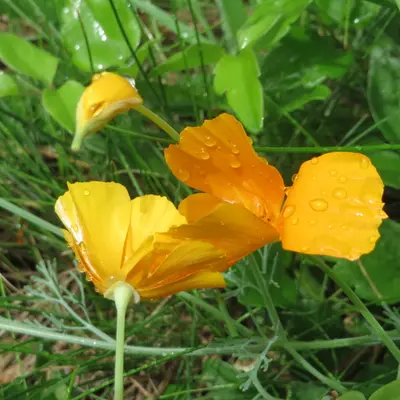
California Poppy is a vibrant, delicate wildflower with silky, cup-shaped petals in brilliant orange, yellow, or red tones. This fast-growing ornamental reaches full bloom in 55-60 days and thrives in full sun with minimal maintenance. Hardy and drought-tolerant once established, it self-seeds readily and serves as a cheerful, low-care addition to cottage gardens, borders, and pollinator landscapes. The defining characteristic is its light-sensitive petals that close at night and on cloudy days.
Harvest
55-60d
Days to harvest
Sun
Full sun
Zones
6–10
USDA hardiness
Height
12-24 inches
Planting Timeline
Showing dates for California Poppy in USDA Zone 7
All Zone 7 flower →Zone Map
Click a state to update dates
California Poppy · Zones 6–10
Growing Details
Succession Planting
Direct sow every 3 weeks from early April through mid-June in zone 7, stopping before daytime highs consistently reach 90°F — above that threshold, plants bolt fast and bloom quality drops sharply. A small late-August sowing can catch the cool-down and push out a flush of flowers before first frost. California poppies self-sow freely if you let a few pods ripen and split, so after the first season you may only need to thin what volunteers to 9–12 inches apart rather than sowing again at all.
Complete Growing Guide
Silky, 2-3" cups of brilliant orange top neat mounds of finely cut silvery-green foliage. Blooms over a long period. Drought tolerant. Tolerates light frost. Excellent for seeding large areas. According to Johnny's Selected Seeds, California Poppy is 55 - 60 days to maturity, annual. Notable features: Grows Well in Containers.
Light: Full sun (6 or more hours of direct sunlight a day). Soil: Loam (Silt), Sand. Soil pH: Alkaline (>8.0), Neutral (6.0-8.0). Drainage: Good Drainage. Height: 1 ft. 0 in. - 2 ft. 0 in.. Spread: 1 ft. 0 in. - 2 ft. 0 in.. Spacing: 12 inches-3 feet. Growth rate: Rapid. Maintenance: Low. Propagation: Seed. Regions: Coastal, Mountains, Piedmont.
Harvesting
California Poppy reaches harvest at 55 - 60 days from sowing per Johnny's Selected Seeds. Expect 2-3" at peak. As an annual, harvest continues until frost ends the season.
The three sided capsules will split open to self-seed when dry.
Color: Brown/Copper. Type: Achene, Capsule.
Edibility: The leaves and stems can be eaten.
Storage & Preservation
California Poppies are primarily grown as ornamental cut flowers. Fresh blooms should be stored in a cool location (50-60°F) away from direct sunlight, ideally in a vase with clean, room-temperature water. They have a moderate vase life of 5-7 days. For longer preservation, dry the seed heads by hanging bunches upside-down in a cool, dark, well-ventilated area for 2-3 weeks—dried pods make attractive arrangements. Alternatively, press individual flowers between parchment paper under heavy books for 1-2 weeks to create botanical specimens. Seed collection and storage in cool, dry conditions is another method for preserving future blooms.
History & Origin
The California poppy is native to the southwestern United States and northwestern Mexico, where it has grown wild for centuries as part of the desert and grassland flora. As the state flower of California, it became naturalized throughout Mediterranean climates and was eventually selected by seed companies for garden cultivation. While specific breeding records documenting formal hybridization or named breeders are limited, the species has been maintained and selected through horticultural practice since the 19th century for traits like flower size, color intensity, and compact growth habit. Modern garden varieties like this one represent decades of open-pollination selection rather than formal breeding programs, preserving the poppy's drought tolerance and self-seeding characteristics while enhancing ornamental appeal.
Origin: South western U.S.A. to Mexico
Advantages
- +Brilliant orange blooms create stunning visual impact in garden landscapes
- +Long flowering period provides continuous color from spring through fall
- +Extremely drought tolerant once established, requiring minimal water
- +Finely textured silvery-green foliage remains attractive between blooms
- +Quick 55-60 day maturity perfect for seasonal color displays
Considerations
- -Self-seeds aggressively, potentially becoming weedy in cultivated gardens
- -Prefers well-draining soil and struggles in heavy clay conditions
- -Flowers close on cloudy days and at night, reducing visibility
- -Short-lived perennial often treated as annual in cooler climates
Companion Plants
Lavender, rosemary, and sage are the strongest companions here — all three prefer lean, dry soil and full sun, so they won't compete for water or undercut the shallow root system of Eschscholzia californica. Marigolds (Tagetes spp.) and nasturtiums draw in pollinators that also work the poppies, which matters for seed set if you're letting plants self-sow for next year. Mint is a problem not because of chemistry but because it spreads by runner and colonizes loose, open soil fast — give it 20 or more feet of buffer. Fennel produces anethole compounds that suppress germination in many annuals, so keep it to a separate corner of the garden.
Plant Together
Lavender
Attracts beneficial pollinators and repels pests with similar water and soil requirements
Rosemary
Thrives in similar dry, well-draining conditions and deters harmful insects
Sage
Shares drought tolerance and Mediterranean growing conditions, repels garden pests
Marigold
Natural pest deterrent that thrives in similar sunny, dry conditions
Nasturtium
Acts as trap crop for aphids and adds complementary orange colors
Yarrow
Attracts beneficial insects and tolerates similar drought conditions
Sunflower
Provides beneficial shade and windbreak while attracting pollinators
Cosmos
Similar growing requirements and attracts beneficial insects for natural pest control
Keep Apart
Black Walnut
Produces juglone toxin that inhibits growth and can kill California poppies
Mint
Aggressive spreader that competes for nutrients and space, prefers different moisture levels
Fennel
Allelopathic properties inhibit growth of most nearby plants including poppies
Pests & Disease Resistance
Common Pests
None typically problematic
Diseases
Powdery mildew (in humid conditions), root rot (with overwatering)
Troubleshooting California Poppy
What you'll see, why it happens, and what to do about it.
White powdery coating on leaves and stems, usually appearing after a stretch of humid weather
Likely Causes
- Powdery mildew (Erysiphe cichoracearum) — thrives when humidity is high and airflow is poor
- Plants spaced too close together, reducing air circulation
What to Do
- 1.Thin plants to at least 9 inches apart so air can move between them
- 2.Spray affected foliage with a diluted baking soda solution (1 tablespoon per gallon of water) as a low-stakes first attempt
- 3.Remove and trash heavily infected stems — don't compost them
Plants wilting and collapsing at the base despite moist soil, stems dark and mushy near the soil line
Likely Causes
- Root rot caused by Pythium or Phytophthora species — almost always triggered by overwatering or poorly drained soil
- Heavy clay soil holding water around the crown
What to Do
- 1.Pull the collapsed plant — it won't recover — and let the bed dry out for at least a week before replanting
- 2.Direct sow into amended, fast-draining soil rather than transplanting; California poppies dislike root disturbance and sitting in wet ground
- 3.Water only when the top inch of soil is dry; established plants in most climates need little supplemental irrigation
Frequently Asked Questions
How long do California poppy flowers last in a vase?▼
Can you grow California poppies in containers?▼
When should I plant California poppies?▼
Is California poppy a good choice for beginners?▼
Do California poppies attract pollinators?▼
How do I collect seeds from California poppies?▼
Zone-by-Zone Planting Calendar
| Zone | Indoor Start | Transplant | Direct Sow | Harvest |
|---|---|---|---|---|
| Zone 3 | April – May | June – July | June – August | — |
| Zone 4 | March – April | June – June | June – July | — |
| Zone 5 | March – April | May – June | May – July | — |
| Zone 6 | March – April | May – June | May – July | — |
| Zone 7 | February – March | April – May | April – June | — |
| Zone 8 | February – March | April – May | April – June | — |
| Zone 9 | January – February | March – April | March – May | — |
| Zone 10 | January – January | February – March | February – April | — |
| Zone 1 | May – June | July – August | July – September | — |
| Zone 2 | April – May | June – July | June – August | — |
| Zone 11 | January – January | January – February | January – March | — |
| Zone 12 | January – January | January – February | January – March | — |
| Zone 13 | January – January | January – February | January – March | — |
Growing Guides from Wind River Greens
Sources & References
External authority sources used in compiling this guide.
- BreederJohnny's Selected Seeds
See the Methodology page for how this data is sourced, what's AI-assisted, and known limitations.