Tendergreen Burpless Cucumber
Cucumis sativus 'Tendergreen Burpless'
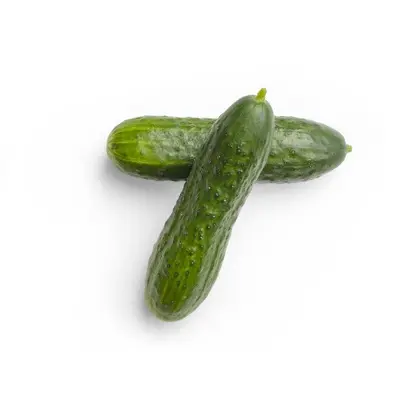
A gardener favorite known for its exceptionally mild, easy-to-digest fruits that won't cause the bitterness or digestive issues of traditional cucumbers. This vigorous variety produces smooth, 8-10 inch dark green fruits with tender, never-bitter skin. Tendergreen's reliable production and superior eating quality make it perfect for families who want fresh cucumbers all season long.
Harvest
62-70d
Days to harvest
Sun
Full sun
Zones
2–11
USDA hardiness
Height
8-18 inches
Planting Timeline
Showing dates for Tendergreen Burpless Cucumber in USDA Zone 7
All Zone 7 cucumber →Zone Map
Click a state to update dates
Tendergreen Burpless Cucumber · Zones 2–11
Growing Details
Succession Planting
Direct sow every 14 days from mid-May through late June in zone 7. Tendergreen Burpless takes 62–70 days to harvest, so a June 25 sowing should finish before mid-October frost — but just barely. Don't push later than that unless you're comfortable gambling on the vines dying before the last fruit matures.
Stop succession plantings once daytime highs are consistently above 90°F. Germination isn't the problem in heat; fruit set drops off badly when nighttime temps hold above 70°F, and those same stressed plants are the ones most prone to producing bitter cucumbers. If you want a fall planting, start seeds indoors in late July and transplant in mid-August as temperatures ease off — that shoulder season often produces the cleanest fruit of the year.
Complete Growing Guide
Plant Tendergreen Burpless in warm soil (at least 70°F) after all frost danger passes, as this heat-loving variety germinates poorly in cold conditions and may bolt prematurely if exposed to prolonged cool periods. Unlike hardier cucumber types, Tendergreen thrives in consistently warm, humid environments with rich, well-draining soil amended with compost; inconsistent watering stresses the plant and triggers the bitterness this variety was bred to eliminate. This cultivar shows moderate susceptibility to powdery mildew in humid climates, so ensure adequate air circulation and avoid overhead watering. The relatively compact 8-18 inch vine growth means Tendergreen performs exceptionally well in containers or smaller garden spaces, though vertical trellising still maximizes yields. Harvest fruits at 8-10 inches before they oversize, as allowing them to grow larger can reduce tenderness and trigger bolting in the parent plant—regular picking at peak size keeps production vigorous throughout the season.
Light: Full sun (6 or more hours of direct sunlight a day). Soil: High Organic Matter. Soil pH: Neutral (6.0-8.0). Drainage: Good Drainage, Moist. Height: 0 ft. 8 in. - 1 ft. 6 in.. Spread: 3 ft. 0 in. - 8 ft. 0 in.. Spacing: 12 inches-3 feet. Growth rate: Rapid. Maintenance: Medium. Propagation: Seed. Regions: Coastal, Mountains, Piedmont.
Harvesting
Harvest Tendergreen Burpless cucumbers when fruits reach 8-10 inches in length with a deep, uniform dark green color and smooth, firm skin that yields slightly to gentle pressure. Pick them regularly every 2-3 days while still tender and before any yellowing appears, as continuous harvesting encourages prolific production throughout the season rather than a single heavy flush. The critical timing tip: pick in early morning when fruits are coolest and crispest, as this preserves their signature mild flavor and tender texture. Allowing fruits to over-mature on the vine will slow the plant's overall output and diminish the exceptionally tender eating quality this variety is prized for.
The "vegetable" is botanically a fruit– it is a pepo, a berry with a hard rind. Long and cylindrical, starting out prickly when young and smoothing out to a bumpy surface as it matures. Length and girth can vary based on cultivar and culinary purpose but grow at least 3 in long. Some varieties are bred to be seedless.
Color: Green. Type: Berry. Length: > 3 inches. Width: 1-3 inches.
Garden value: Edible, Showy
Harvest time: Summer
Edibility: Fruits are commonly eaten raw or pickled. Fresh cucumbers last in the fridge for about a week.
Storage & Preservation
Fresh Tendergreen Burpless cucumbers store best in the refrigerator crisper drawer at 50-55°F with high humidity. Wrap individual cucumbers in paper towels and place in perforated plastic bags to maintain moisture while preventing condensation buildup. Under optimal conditions, they'll stay crisp for 7-10 days—longer than many cucumber varieties due to their thick, sturdy skin.
Avoid storing at temperatures below 45°F, which causes chilling injury and accelerated decay. Never store with ethylene-producing fruits like tomatoes or melons, which cause rapid yellowing and deterioration.
For preservation, their mild flavor and tender skin make Tendergreen excellent for refrigerator pickles—no peeling required. Quick-pickle sliced rounds in seasoned vinegar for a ready snack that lasts 2-3 weeks refrigerated. They also freeze well when diced and blanched for 2 minutes, though texture becomes softer and they're best used in cooked dishes or smoothies. The variety's low bitterness makes it ideal for fermenting into traditional dill pickles.
History & Origin
The 'Tendergreen Burpless' cucumber emerged from the mid-twentieth-century breeding surge for "burpless" or non-bitter cucumber varieties, which gained popularity in American home gardens during the 1960s and 1970s. While specific breeder attribution and exact introduction year remain undocumented in readily available sources, this variety belongs to the broader lineage of improved slicing cucumbers developed through conventional breeding programs that selected for reduced cucurbitacin levels—the compound responsible for bitterness and digestive discomfort. The variety likely originated from seed company breeding initiatives rather than university programs, reflecting the commercial sector's response to consumer demand for milder, more digestible cucumber types. 'Tendergreen Burpless' solidified its reputation as a reliable home garden cultivar by combining the burpless trait with exceptional eating quality and vigorous vine production.
Origin: Himalaya to Northern Thailand
Advantages
- +Exceptionally mild flavor eliminates bitterness that deters many cucumber eaters
- +Burpless variety prevents digestive discomfort common with traditional cucumber varieties
- +Produces abundant 8-10 inch fruits reliably over extended growing season
- +Easy to grow making it ideal for beginning and family gardeners
- +Tender skin requires no peeling, enhancing convenience and eating experience
Considerations
- -Vulnerable to three major fungal diseases limiting organic growing options
- -Susceptible to multiple pest species requiring consistent monitoring and treatment
- -Requires consistent moisture and warm temperatures for optimal production
Companion Plants
Radishes planted at the base of a cucumber trellis work as a trap crop — cucumber beetles and flea beetles prefer them over the cucumbers. Let the radishes bolt and get chewed; that's the whole idea. Nasturtiums do something similar with aphids, which tend to pile onto nasturtium stems and largely ignore the cucumbers nearby. Neither plant is a silver bullet, but both give you something cheap to sacrifice.
French marigolds (Tagetes patula) have documented chemistry behind the nematode claim: their roots release thiophene compounds that interfere with root-knot nematode larvae in the surrounding soil. That's a real payoff in any bed where cucumbers have struggled. Beans fix nitrogen at root depth, and their root zones don't compete much with cucumbers at 12–18 inches. Corn can double as a physical trellis if you're not running cucumbers up a wire system, though it shades hard once it clears 5 feet, so position it on the north side.
Sage and other aromatic herbs like rosemary aren't a great fit for a different reason than most people assume — it's not chemical antagonism, it's a mismatch in what the soil needs to be. Those plants want drier, lower-fertility conditions than cucumbers do, and one of them ends up compromised when you try to split the difference. Potatoes are a firmer no: they share several soil-borne disease pathways with cucumbers, and putting them in the same bed or rotating one into the other's spot the following season creates a feedback loop that's hard to break.
Plant Together
Radish
Repels cucumber beetles and squash bugs while improving soil structure
Marigold
Deters cucumber beetles, aphids, and nematodes with strong scent
Nasturtium
Acts as trap crop for cucumber beetles and aphids, repels squash bugs
Bean
Fixes nitrogen in soil to benefit heavy-feeding cucumbers
Corn
Provides natural trellis support and shade during hot afternoons
Sunflower
Attracts beneficial insects and provides natural support structure
Dill
Attracts beneficial insects like parasitic wasps that control cucumber pests
Lettuce
Provides ground cover to retain soil moisture and suppress weeds
Keep Apart
Sage
Inhibits cucumber growth through allelopathic compounds
Aromatic Herbs
Strong oils from herbs like rosemary and thyme can stunt cucumber growth
Potato
Competes for nutrients and may increase disease susceptibility
Nutrition Facts
Per 100g serving. % Daily Value based on 2,000 calorie diet. Source: USDA FoodData Central (FDC #169225)
Pests & Disease Resistance
Resistance
Good general disease resistance
Common Pests
Cucumber beetles, aphids, squash bugs
Diseases
Powdery mildew, bacterial wilt, downy mildew
Troubleshooting Tendergreen Burpless Cucumber
What you'll see, why it happens, and what to do about it.
Plants wilting progressively — first drooping in afternoon heat, then wilting all day even after watering
Likely Causes
- Bacterial wilt (Erwinia tracheiphila), spread by cucumber beetles feeding on leaves
- Root-knot nematodes — check for lumpy, galled roots when you pull a plant
What to Do
- 1.Do the 'string test': cut a wilted stem and press the two cut ends together, then slowly pull apart — if thin, thread-like strands stretch between them, that's bacterial wilt; pull and bag the plant immediately
- 2.If roots look lumpy but stems test clean for bacterial wilt, suspect root-knot nematodes; solarize that bed for 6–8 weeks next summer and rotate cucurbits out for at least 2 seasons
- 3.Control striped and spotted cucumber beetles from transplant day — they're the vector for bacterial wilt; row cover until flowering, then remove for pollination
Fruit tastes noticeably bitter, especially near the skin and stem end
Likely Causes
- Cucurbitacin buildup triggered by environmental stress — uneven watering, high heat, wide temperature swings, or soil pH below 6.0
- Overripe fruit left on the vine too long
- Misshapen fruit from poor pollination
What to Do
- 1.Keep soil moisture consistent at 1–1.5 inches per week; NC State Extension specifically names uneven watering as a cucurbitacin driver — drought followed by a heavy soak is a common trigger
- 2.Test and maintain soil pH between 6.0 and 7.0; apply dolomitic lime in fall if your test calls for it
- 3.Pick at 6–8 inches before skin toughens — bitterness climbs sharply in overripe fruit
White powdery coating on upper leaf surfaces, starting on older leaves mid-season
Likely Causes
- Powdery mildew (Podosphaera xanthii or Erysiphe cichoracearum) — fungal, favored by warm days and cool nights with low surface humidity on leaves
- Crowded plants blocking airflow
What to Do
- 1.Space plants 12–18 inches apart and trellis vines vertically to open up the canopy
- 2.At first sign, apply potassium bicarbonate solution or neem oil at label rates every 7 days — don't wait, it spreads fast once it takes hold
- 3.Strip and trash heavily affected leaves; don't compost them
Frequently Asked Questions
How long does Tendergreen Burpless cucumber take to grow?▼
Is Tendergreen Burpless cucumber good for beginners?▼
Can you grow Tendergreen Burpless cucumber in containers?▼
What does Tendergreen Burpless cucumber taste like?▼
When should I plant Tendergreen Burpless cucumber seeds?▼
What's the difference between Tendergreen Burpless and regular cucumbers?▼
Zone-by-Zone Planting Calendar
| Zone | Indoor Start | Transplant | Direct Sow | Harvest |
|---|---|---|---|---|
| Zone 1 | June – June | July – August | July – September | October – August |
| Zone 2 | May – June | July – July | July – August | September – September |
| Zone 11 | January – January | February – February | February – March | April – June |
| Zone 12 | January – January | February – February | February – March | April – June |
| Zone 13 | January – January | February – February | February – March | April – June |
| Zone 3 | May – May | June – July | June – August | September – October |
| Zone 4 | April – May | June – June | June – July | September – October |
| Zone 5 | April – April | May – June | May – July | August – October |
| Zone 6 | April – April | May – June | May – July | August – September |
| Zone 7 | March – April | May – May | May – June | July – September |
| Zone 8 | March – March | April – May | April – June | July – August |
| Zone 9 | February – February | March – April | March – May | June – July |
| Zone 10 | January – February | March – March | March – April | May – July |
Growing Guides from Wind River Greens
Sources & References
External authority sources used in compiling this guide.
See the Methodology page for how this data is sourced, what's AI-assisted, and known limitations.