Burpless Beauty
Cucumis sativus 'Burpless Beauty'
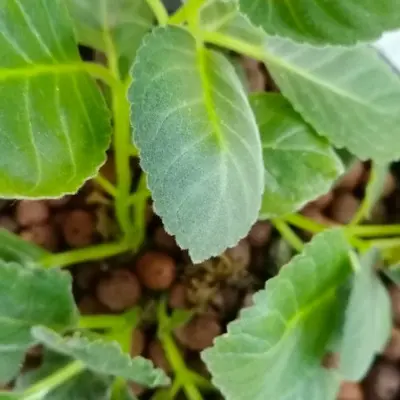
A premium hybrid cucumber developed for exceptional digestibility and sweet, never-bitter flavor that lives up to its name. These long, slender fruits have thin, tender skins that don't require peeling and crisp flesh that's easier on sensitive stomachs. Perfect for gardeners who love fresh cucumbers but want to avoid the digestive issues that can come with traditional varieties.
Harvest
62-68d
Days to harvest
Sun
Full sun
Zones
2–11
USDA hardiness
Height
8-18 inches
Planting Timeline
Showing dates for Burpless Beauty in USDA Zone 7
All Zone 7 cucumber →Zone Map
Click a state to update dates
Burpless Beauty · Zones 2–11
Growing Details
Succession Planting
Direct sow every 14-21 days once soil temps reach 60°F — typically early May in zone 7. Keep sowing through late June, then stop; germination drops off sharply when daytime highs stay above 90°F, and plants that do emerge will struggle to set fruit. That window gives you 2-3 plantings and a harvest run from July through early September.
Burpless Beauty takes 62-68 days from seed to first harvest, so count backwards from your first expected frost to set your last sow date. In zone 7, where frost typically arrives around mid-October, a late-July sowing is about as far as you can push it and still pull a reasonable yield before the season closes.
Complete Growing Guide
Burpless Beauty's thin-skinned genetics make it more susceptible to physical damage and sunscald than standard varieties, so provide afternoon shade in hot climates and handle fruits gently during harvest. This hybrid matures quickly at 62-68 days, so succession-plant every two weeks for continuous harvests rather than planting all at once. The plants produce abundant foliage that can stretch toward light—stake or trellis vertically to improve air circulation and reduce powdery mildew risk, a common issue for this variety in humid conditions. Maintain consistent soil moisture without waterlogging, as the tender skin cracks easily under drought-then-flood cycles. Unlike heartier varieties, Burpless Beauty performs best with regular fertilizing every three weeks, as its prolific production depletes nutrients rapidly. Pick fruits at 8-10 inches long while still firm; waiting too long concentrates sugars unevenly and causes soft spots to develop.
Light: Full sun (6 or more hours of direct sunlight a day). Soil: High Organic Matter. Soil pH: Neutral (6.0-8.0). Drainage: Good Drainage, Moist. Height: 0 ft. 8 in. - 1 ft. 6 in.. Spread: 3 ft. 0 in. - 8 ft. 0 in.. Spacing: 12 inches-3 feet. Growth rate: Rapid. Maintenance: Medium. Propagation: Seed. Regions: Coastal, Mountains, Piedmont.
Harvesting
Harvest Burpless Beauty cucumbers when they reach 8 to 10 inches long with a deep green color and glossy skin, as this is when the flesh is most tender and the sweet flavor peaks. Gently squeeze along the fruit—it should yield slightly to pressure but still feel firm, indicating optimal crispness. These cucumbers are ready roughly 62 to 68 days after planting and follow a continuous-harvest pattern rather than a single-pick approach, meaning you'll enjoy multiple flushes of fruit throughout the season by regularly removing mature cucumbers. Harvest in the early morning when temperatures are cool and vines are hydrated, as this preserves crispness and the delicate thin skin that makes this variety special.
The "vegetable" is botanically a fruit– it is a pepo, a berry with a hard rind. Long and cylindrical, starting out prickly when young and smoothing out to a bumpy surface as it matures. Length and girth can vary based on cultivar and culinary purpose but grow at least 3 in long. Some varieties are bred to be seedless.
Color: Green. Type: Berry. Length: > 3 inches. Width: 1-3 inches.
Garden value: Edible, Showy
Harvest time: Summer
Edibility: Fruits are commonly eaten raw or pickled. Fresh cucumbers last in the fridge for about a week.
Storage & Preservation
Store freshly harvested Burpless Beauty cucumbers in the refrigerator crisper drawer at 50-55°F with high humidity for maximum shelf life of 7-10 days. Wrap individually in paper towels to absorb excess moisture and prevent premature softening. Never store cucumbers below 40°F as they're sensitive to chilling injury, which causes pitting and decay.
For preservation, Burpless Beauty's thin skin and crisp texture make it excellent for refrigerator pickles—slice and submerge in seasoned vinegar brine for quick pickles ready in 24 hours. The variety also freezes well when cut into chunks for smoothies or gazpacho, though texture becomes soft after thawing. For longer storage, consider lacto-fermentation in salt brine for probiotic cucumber pickles that develop complex flavors over 3-4 weeks. The sweet, mild flavor of this variety also makes it perfect for dehydrating into cucumber chips using a food dehydrator at 125°F for 8-12 hours.
History & Origin
The "Burpless Beauty" cucumber belongs to a class of burpless or European cucumber hybrids that gained popularity in home gardens during the late twentieth century, though specific breeder attribution and introduction year remain undocumented in readily available sources. The variety likely emerged from breeding programs focused on reducing cucurbitacin—the compound responsible for bitterness and digestive upset—a trait prioritized by major seed companies and university agricultural programs from the 1960s onward. Its lineage traces to the broader development of thin-skinned, seedless greenhouse cucumber types that were adapted for North American home gardeners seeking improved flavor and digestibility compared to traditional seeded varieties.
Origin: Himalaya to Northern Thailand
Advantages
- +Sweet, mild flavor requires no peeling unlike traditional varieties
- +Thin skin and tender flesh digest easily for sensitive stomachs
- +Produces long, slender fruits perfect for fresh eating and salads
- +Reaches harvest in just 62-68 days from planting
- +Easy to moderate difficulty makes it suitable for most gardeners
Considerations
- -Susceptible to bacterial wilt transmitted by cucumber beetles
- -Requires consistent watering and rich soil for best quality fruit
- -Vulnerable to downy mildew in humid or wet conditions
- -Thin skin bruises easily during harvest and transport
Companion Plants
Radishes direct-sown around cucumber hills act as a trap crop for cucumber beetles — the beetles will preferentially chew on the radishes, which buys your transplants some breathing room during that first vulnerable month. Nasturtiums work a similar angle with aphids, pulling colonies away from the cucumbers while also drawing in lacewings and parasitic wasps. French marigolds (Tagetes patula) at the bed edges are worth the real estate: their root secretions produce alpha-terthienyl, a compound shown to suppress root-knot nematode populations — a specific concern given how nematodes show up in cucumber wilt cases documented by NC State Extension.
Aromatic herbs like sage and fennel release allelopathic compounds that suppress cucurbit growth, so keep them at least a full bed-width away. Melons are a worse neighbor than most people expect — they pull the same 1-2 inches of water per week that Burpless Beauty needs, and planting them within 18 inches of each other almost guarantees both crops run short. Potatoes belong on the other side of the garden entirely; they share susceptibility to several soilborne pathogens and can quietly seed the bed with problems before you notice anything is wrong.
Plant Together
Radishes
Repels cucumber beetles and squash bugs, breaks up soil for cucumber roots
Marigolds
Deters cucumber beetles, aphids, and nematodes with natural compounds
Nasturtiums
Acts as trap crop for cucumber beetles and aphids, repels squash bugs
Bush Beans
Fixes nitrogen in soil for cucumber uptake, doesn't compete for space
Corn
Provides natural trellis support and wind protection for climbing cucumbers
Dill
Attracts beneficial insects like parasitic wasps that control cucumber pests
Lettuce
Shallow roots don't compete, cucumber vines provide beneficial shade
Sunflowers
Attracts pollinators essential for cucumber fruit development
Keep Apart
Aromatic Herbs
Strong scents from sage, rosemary can inhibit cucumber growth and germination
Potatoes
Compete for similar nutrients and space, may harbor similar fungal diseases
Melons
Cross-pollination concerns and competition for nutrients in same plant family
Nutrition Facts
Per 100g serving. % Daily Value based on 2,000 calorie diet. Source: USDA FoodData Central (FDC #169225)
Pests & Disease Resistance
Resistance
Good resistance to cucumber mosaic virus, powdery mildew, and scab
Common Pests
Cucumber beetles, aphids, thrips, squash vine borers
Diseases
Bacterial wilt, downy mildew, angular leaf spot
Troubleshooting Burpless Beauty
What you'll see, why it happens, and what to do about it.
Lower leaves developing large tan spots between the veins with scorched-looking edges; new growth still green but plant wilting even after watering
Likely Causes
- Bacterial wilt — spread by striped or spotted cucumber beetles (Acalymma vittatum / Diabrotica undecimpunctata), which vector the bacterium Erwinia tracheiphila through feeding wounds
- Root-knot nematodes — NC State Extension IPM case studies describe lumpy, undersized root systems alongside this exact symptom pattern
What to Do
- 1.Do the quick wilt test: cut a stem near the base, touch the two cut ends together, pull them apart slowly — if you see thin, thread-like strands of bacterial ooze, it's bacterial wilt and the plant won't recover; pull and trash it
- 2.Use row cover from transplant until flowering to block cucumber beetle feeding, since there's no cure once wilt sets in; remove it at first bloom so pollinators can get in
- 3.If nematodes are suspected, send a soil sample to your state's plant disease clinic before replanting cucurbits in that bed; NC State Extension recommends waiting at least 3 years before returning cucurbits to an infested spot
Angular, water-soaked spots on leaves that dry to brown with a squared-off shape bounded by leaf veins; in humid weather, a grayish-purple fuzz appears on the leaf undersides
Likely Causes
- Angular leaf spot (Pseudomonas syringae pv. lachrymans) — bacterial, spreads via rain splash or overhead irrigation onto wet foliage
- Downy mildew (Pseudoperonospora cubensis) — produces nearly identical upper-leaf lesions but gives itself away with that gray-purple sporulation on the underside
What to Do
- 1.Switch from overhead sprinklers to drip or soaker hoses — both pathogens need prolonged leaf wetness to spread, and evening sprinkler sessions are about the best way to accelerate them
- 2.Strip affected leaves and bag them for the trash (not the compost); clear all debris at season's end and turn the bed to break the cycle
- 3.For downy mildew, apply a copper-based fungicide on a 7-10 day schedule once lesions appear, and make sure to coat the leaf undersides where Pseudoperonospora cubensis sporulates
Frequently Asked Questions
How long does Burpless Beauty cucumber take to grow?▼
Can you grow Burpless Beauty cucumbers in containers?▼
What does Burpless Beauty cucumber taste like?▼
Is Burpless Beauty good for beginners?▼
When should I plant Burpless Beauty cucumber seeds?▼
Do Burpless Beauty cucumbers really prevent burping?▼
Zone-by-Zone Planting Calendar
| Zone | Indoor Start | Transplant | Direct Sow | Harvest |
|---|---|---|---|---|
| Zone 3 | May – May | June – July | June – August | September – October |
| Zone 4 | April – May | June – June | June – July | August – October |
| Zone 5 | April – April | May – June | May – July | August – October |
| Zone 6 | April – April | May – June | May – July | August – September |
| Zone 7 | March – April | May – May | May – June | July – September |
| Zone 8 | March – March | April – May | April – June | July – August |
| Zone 9 | February – February | March – April | March – May | June – July |
| Zone 10 | January – February | March – March | March – April | May – July |
| Zone 1 | June – June | July – August | July – September | October – August |
| Zone 2 | May – June | July – July | July – August | September – September |
| Zone 11 | January – January | February – February | February – March | April – June |
| Zone 12 | January – January | February – February | February – March | April – June |
| Zone 13 | January – January | February – February | February – March | April – June |
Growing Guides from Wind River Greens
Sources & References
External authority sources used in compiling this guide.
See the Methodology page for how this data is sourced, what's AI-assisted, and known limitations.