Crystal Apple Cucumber
Cucumis sativus 'Crystal Apple'
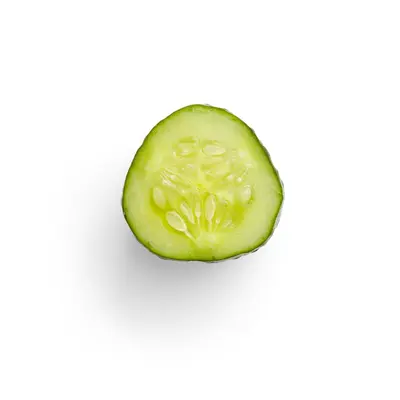
A unique heirloom variety that produces round, apple-shaped white fruits with crisp, refreshing flesh and a distinctive appearance. This Australian heritage variety offers exceptional heat tolerance and continues producing when other cucumbers fail. Crystal Apple's unusual appearance and excellent flavor make it a conversation starter that's surprisingly versatile in the kitchen.
Harvest
65-75d
Days to harvest
Sun
Full sun
Zones
2–11
USDA hardiness
Height
8-18 inches
Planting Timeline
Showing dates for Crystal Apple Cucumber in USDA Zone 7
All Zone 7 cucumber →Zone Map
Click a state to update dates
Crystal Apple Cucumber · Zones 2–11
Growing Details
Succession Planting
Crystal Apple produces over several weeks once it gets going, so you don't need successions the way you would with lettuce or radishes. A second direct sowing about 3 weeks after the first — late May into early June in zone 7 — gives you a backup if the first planting gets hit by a late cold snap or a heavy cucumber beetle pressure early on, and it extends your picking window by a few weeks without much extra effort.
Stop sowing by late June. Seeds put in the ground after the first week of July in Georgia are racing against peak heat above 90°F that stresses fruit set, plus the calendar starts working against you as days shorten heading toward frost. You'll grow vine but not much fruit. A true fall crop is possible, but it means starting seeds indoors in late July for a late-August transplant — and powdery mildew pressure in September makes that a real gamble most years.
Complete Growing Guide
Crystal Apple Cucumber thrives in warm conditions and should be direct-seeded after soil temperature reaches 70°F, as this Australian heirloom germinates reliably in heat that can stress other cucumber types. Space plants 12 inches apart in full sun with consistent moisture, avoiding overhead watering to prevent powdery mildew, which can occur in humid climates despite the variety's heat tolerance. Unlike vining cucumbers, Crystal Apple's compact 8-18 inch growth habit makes it ideal for containers and small spaces, eliminating the need for extensive trellising. Watch for spider mites during extreme heat spells, as the plant's dense foliage can harbor infestations. To maximize continuous production through late summer, harvest fruits regularly while small and pale; allowing fruits to mature fully and turn white signals the plant to slow flowering. Plant succession crops every two weeks until mid-summer for uninterrupted harvests into fall.
Light: Full sun (6 or more hours of direct sunlight a day). Soil: High Organic Matter. Soil pH: Neutral (6.0-8.0). Drainage: Good Drainage, Moist. Height: 0 ft. 8 in. - 1 ft. 6 in.. Spread: 3 ft. 0 in. - 8 ft. 0 in.. Spacing: 12 inches-3 feet. Growth rate: Rapid. Maintenance: Medium. Propagation: Seed. Regions: Coastal, Mountains, Piedmont.
Harvesting
Harvest Crystal Apple Cucumbers when they reach full white maturity and feel firm to the touch, typically at 2-3 inches in diameter when they've developed their characteristic round, apple-like shape. Pick fruits while the skin remains smooth and glossy rather than waiting for any yellowing, which indicates overmaturity and diminished crispness. This variety supports continuous harvesting throughout the season—regular picking actually encourages additional flowering and fruit production, so check plants every 2-3 days during peak season. A crucial timing tip: harvest in early morning when fruits are coolest and most crisp, as this preserves their refreshing texture and flavor for immediate eating or storage.
The "vegetable" is botanically a fruit– it is a pepo, a berry with a hard rind. Long and cylindrical, starting out prickly when young and smoothing out to a bumpy surface as it matures. Length and girth can vary based on cultivar and culinary purpose but grow at least 3 in long. Some varieties are bred to be seedless.
Color: Green. Type: Berry. Length: > 3 inches. Width: 1-3 inches.
Garden value: Edible, Showy
Harvest time: Summer
Edibility: Fruits are commonly eaten raw or pickled. Fresh cucumbers last in the fridge for about a week.
Storage & Preservation
Store freshly harvested Crystal Apple cucumbers in the refrigerator's crisper drawer, where they'll maintain quality for 1-2 weeks. Their thick skin provides better storage life than thin-skinned varieties. For immediate use, leave at room temperature for 2-3 days—they'll stay crisp longer than traditional cucumbers.
Their unique shape makes Crystal Apple excellent for stuffing—hollow out centers and fill with savory mixtures before preserving. For pickles, slice into rounds or wedges; their firm flesh holds up beautifully to fermentation and quick pickling.
Dehydrate thin slices for cucumber chips, or preserve in refrigerator pickles with rice vinegar and spices. Avoid freezing fresh, as the texture becomes mushy, but they freeze well after pickling. The mild flavor adapts to both sweet and savory preservation methods, making them versatile for relishes and chutneys.
History & Origin
This Australian heirloom variety emerged from heritage seed lines within the continent's gardening tradition, though specific breeder attribution and introduction year remain poorly documented in readily available sources. The Crystal Apple represents an example of the diverse cucumber landraces that developed across Australia's varied climates, selected over generations for heat tolerance and distinctive morphology. Like many heirloom varieties, its origins trace through informal seed-saving networks and local gardening communities rather than formal institutional breeding programs. The variety's unusual white, round fruit likely resulted from natural variation selected and perpetuated by Australian growers seeking cucumbers adapted to the region's challenging growing conditions.
Origin: Himalaya to Northern Thailand
Advantages
- +Exceptional heat tolerance makes it reliable during hot summer months
- +Distinctive white apple-shaped fruits create visual interest and conversation appeal
- +Continues producing when other cucumber varieties fail in harsh conditions
- +Mild, sweet flavor works well for fresh eating and salads
- +Easy to grow with straightforward care requirements for home gardeners
Considerations
- -Susceptible to multiple diseases including powdery mildew and downy mildew
- -Vulnerable to cucumber beetles, aphids, and squash bugs requiring management
- -Moderate yield compared to some prolific traditional cucumber varieties
- -Unusual appearance may not appeal to gardeners wanting classic green cucumbers
Companion Plants
Radishes are the most practical companion here — direct sow a handful around your cucumber transplants and they pull flea beetles and cucumber beetles toward themselves instead. They're sacrificial, and that's the point. Beans fix nitrogen at the root level, which cucumbers draw on steadily, so a row of bush beans 12 inches out is a functional pairing — not just tradition. Nasturtiums act as an early-warning aphid trap: the aphids hit them first, you spot the colony before it jumps to your cucumbers, and a hard spray of water handles it while the numbers are still manageable. In our zone 7 Georgia summers, basil fills the same bed space well and you'll be cutting both crops together from July through August anyway.
Keep melons out of the immediate area. They're in the same Cucurbitaceae family, which means bacterial wilt vectors and Pseudoperonospora cubensis spores move freely between them — growing them side by side just doubles the target. Potatoes are a different problem: they compete for the same soil nutrient profile and can carry cucumber mosaic virus, which spreads mechanically through the bed. Strongly scented mints and sage can release allelopathic root compounds that slow cucurbit germination; give them at least 24 inches of separation.
Plant Together
Basil
Repels aphids, spider mites, and thrips while potentially improving cucumber flavor
Marigolds
Deters cucumber beetles, aphids, and nematodes with natural compounds
Radishes
Repels cucumber beetles and squash bugs, acts as trap crop for flea beetles
Nasturtiums
Acts as trap crop for cucumber beetles and aphids, repels squash bugs
Beans
Fixes nitrogen in soil for cucumber uptake, provides natural trellis support
Corn
Provides natural shade and wind protection, offers climbing support for vines
Lettuce
Serves as living mulch, conserves soil moisture and suppresses weeds
Dill
Attracts beneficial insects like parasitic wasps that control cucumber pests
Keep Apart
Aromatic Herbs
Strong scented herbs like sage and rosemary can inhibit cucumber growth and flavor
Melons
Compete for same nutrients and space, share common diseases and pests
Potatoes
Both are susceptible to blight diseases, potatoes may shade out cucumber vines
Nutrition Facts
Per 100g serving. % Daily Value based on 2,000 calorie diet. Source: USDA FoodData Central (FDC #168171)
Pests & Disease Resistance
Resistance
Good heat tolerance, moderate disease resistance
Common Pests
Cucumber beetles, aphids, squash bugs
Diseases
Powdery mildew, bacterial wilt, downy mildew
Troubleshooting Crystal Apple Cucumber
What you'll see, why it happens, and what to do about it.
Plants wilting progressively despite normal watering — lower leaves show large tan spots between the veins and scorched edges, new growth still green
Likely Causes
- Bacterial wilt (Erwinia tracheiphila) — transmitted by cucumber beetles feeding on stems and leaves
- Root knot nematodes — knobby, lumpy root systems with reduced water uptake, common in Georgia's sandy soils
What to Do
- 1.Do the stem test: cut a wilted stem near the base, press the two cut ends together, then pull apart slowly — stringy bacterial threads bridging the gap means bacterial wilt; pull that plant and trash it
- 2.Check roots before you yank: if the stems are clean but roots are knotted and swollen, that's nematode damage — remove the plant and solarize that bed section for 4-6 weeks next summer
- 3.Control striped and spotted cucumber beetles from day one with row cover until flowers open, then pull the cover for pollination — beetles are the primary wilt vector, so fewer beetles means less wilt
White powdery coating spreading across upper leaf surfaces, usually mid-season as vines fill in and start shading each other
Likely Causes
- Powdery mildew (Podosphaera xanthii or Erysiphe cichoracearum) — thrives in warm dry days with humid nights, accelerated by crowded plantings that trap still air
What to Do
- 1.Give vines 18 inches of spacing and trellis them upright — physical airflow does more than any spray
- 2.At first sign, apply a potassium bicarbonate solution or diluted neem oil (1–2 oz per gallon); repeat every 7-10 days
- 3.Strip heavily infected leaves and put them in the trash — they won't recover and they're spreading spores every time the wind blows
Angular yellow patches on upper leaf surfaces turning brown and papery, with a gray-purple fuzzy layer visible on the undersides early in the morning
Likely Causes
- Downy mildew (Pseudoperonospora cubensis) — a water mold that spreads fast in wet, humid stretches; NC State Extension notes it appears at different times and locations each season, so regional monitoring matters more than a fixed calendar date
What to Do
- 1.Check the ipmPIPE downy mildew forecasting tool — it tracks confirmed outbreaks by region and tells you when to start protective sprays before symptoms arrive in your county
- 2.Apply a copper-based fungicide preventively once downy mildew is confirmed within 50 miles; symptomatic leaves won't green back up, so getting ahead of it is the only play
- 3.Switch to drip irrigation or water at the base in the morning — wet foliage sitting overnight is the fastest way to move this disease through a planting
Frequently Asked Questions
How long does Crystal Apple cucumber take to grow?▼
Can you grow Crystal Apple cucumber in containers?▼
What does Crystal Apple cucumber taste like?▼
Is Crystal Apple cucumber good for beginners?▼
When should I plant Crystal Apple cucumber?▼
Crystal Apple vs regular cucumber - what's the difference?▼
Zone-by-Zone Planting Calendar
| Zone | Indoor Start | Transplant | Direct Sow | Harvest |
|---|---|---|---|---|
| Zone 1 | June – June | July – August | July – September | October – August |
| Zone 2 | May – June | July – July | July – August | September – September |
| Zone 11 | January – January | February – February | February – March | April – June |
| Zone 12 | January – January | February – February | February – March | April – June |
| Zone 13 | January – January | February – February | February – March | April – June |
| Zone 3 | May – May | June – July | June – August | September – October |
| Zone 4 | April – May | June – June | June – July | September – October |
| Zone 5 | April – April | May – June | May – July | August – October |
| Zone 6 | April – April | May – June | May – July | August – September |
| Zone 7 | March – April | May – May | May – June | July – September |
| Zone 8 | March – March | April – May | April – June | July – August |
| Zone 9 | February – February | March – April | March – May | June – July |
| Zone 10 | January – February | March – March | March – April | May – July |
Growing Guides from Wind River Greens
Sources & References
External authority sources used in compiling this guide.
See the Methodology page for how this data is sourced, what's AI-assisted, and known limitations.