National Pickling
Cucumis sativus 'National Pickling'
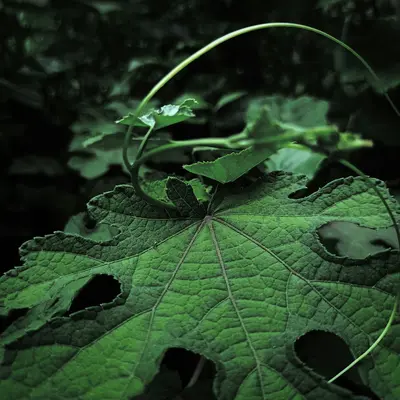
The gold standard for homemade pickles, this prolific heirloom has been the choice of serious picklers since 1924. It produces an enormous harvest of blocky, thick-walled cucumbers that maintain perfect crispness when pickled and have the ideal flesh-to-seed ratio for processing. The vigorous vines continue producing all season long, giving you plenty of cucumbers for fresh eating and preserving.
Harvest
52-58d
Days to harvest
Sun
Full sun
Zones
2–11
USDA hardiness
Height
8-18 inches
Planting Timeline
Showing dates for National Pickling in USDA Zone 7
All Zone 7 cucumber →Zone Map
Click a state to update dates
National Pickling · Zones 2–11
Growing Details
Succession Planting
National Pickling produces in a tight 52–58 day window and then the vine winds down fast, especially once powdery mildew moves in. To keep a continuous supply through summer, direct sow every 14 days starting after your last frost date — early May in zone 7 — through late June. Stop new sowings once daytime highs are regularly cracking 90°F; germination rates fall off sharply and young seedlings struggle to set fruit in that heat. Three successions on that schedule will carry you from July harvests into late August without a gap.
Complete Growing Guide
National Pickling cucumbers thrive when direct seeded after soil reaches 70°F, as they germinate quickly and mature in just 52-58 days, making them ideal for succession planting every two weeks for continuous harvest. These vigorous vines require consistent moisture and full sun to produce their characteristic blocky fruits with thick walls; inconsistent watering can trigger premature flowering and smaller pickles. While generally disease-resistant, they're susceptible to powdery mildew in humid conditions—ensure good air circulation and avoid overhead watering. Unlike slicing varieties, National Pickling rarely bolts excessively, but the compact 8-18 inch plants still benefit from trellising to improve airflow and ease harvesting of the abundant fruit. A practical strategy: harvest fruits at 4-6 inches when they reach peak pickling size, as this encourages the plant to continue flowering rather than setting large, seedy mature cucumbers, maximizing your yield throughout the season.
Light: Full sun (6 or more hours of direct sunlight a day). Soil: High Organic Matter. Soil pH: Neutral (6.0-8.0). Drainage: Good Drainage, Moist. Height: 0 ft. 8 in. - 1 ft. 6 in.. Spread: 3 ft. 0 in. - 8 ft. 0 in.. Spacing: 12 inches-3 feet. Growth rate: Rapid. Maintenance: Medium. Propagation: Seed. Regions: Coastal, Mountains, Piedmont.
Harvesting
Harvest National Pickling cucumbers when they reach 6 to 8 inches long with a dark green color and firm, blocky shape—smaller fruits tend to have thinner walls and larger ones become seedy and soft. The skin should feel slightly bumpy with small spines intact, indicating peak pickling readiness. This variety produces continuously throughout the season rather than in a single flush, so pick every two to three days to encourage ongoing vine productivity and prevent overgrown fruit that will slow new flower development. Harvesting in early morning when vines are cool helps maintain the crispness essential for quality pickles.
The "vegetable" is botanically a fruit– it is a pepo, a berry with a hard rind. Long and cylindrical, starting out prickly when young and smoothing out to a bumpy surface as it matures. Length and girth can vary based on cultivar and culinary purpose but grow at least 3 in long. Some varieties are bred to be seedless.
Color: Green. Type: Berry. Length: > 3 inches. Width: 1-3 inches.
Garden value: Edible, Showy
Harvest time: Summer
Edibility: Fruits are commonly eaten raw or pickled. Fresh cucumbers last in the fridge for about a week.
Storage & Preservation
Fresh National Pickling cucumbers keep best unwashed in perforated plastic bags in the refrigerator crisper drawer, maintaining quality for 5-7 days. Store at 50-55°F if possible – standard refrigerator temperatures can cause chilling injury in some cucumbers, leading to pitting and decay.
For preservation, process cucumbers within 24 hours of harvest for maximum crispness. This variety excels in traditional brine pickles, bread and butter pickles, and fermented pickles due to its thick walls and low seed cavity. Quick refrigerator pickles stay crisp for 2-3 months. Water bath canning produces shelf-stable pickles lasting 1-2 years when properly sealed and stored.
Freezing isn't recommended for whole cucumbers as they become mushy, but you can freeze them chopped for later use in cold soups, smoothies, or cooked relishes. Dehydrating creates cucumber chips, though this variety's high moisture content requires longer drying times than slicing varieties.
History & Origin
Introduced by seed companies in 1924, National Pickling represents a selection from American pickling cucumber breeding lines developed during the early twentieth century. While the specific breeder remains undocumented, this variety emerged during an era when seed companies actively cultivated improved pickling types to meet growing demand from home and commercial preservers. National Pickling likely descends from earlier European and American pickling cucumber landraces, refined through multiple generations of selection for blocky shape, thick flesh, and prolific productivity. Its establishment as the "gold standard" reflects successful marketing and genuine horticultural merit rather than extensive documented pedigree, making it a product of applied breeding practice rather than formal institutional research programs.
Origin: Himalaya to Northern Thailand
Advantages
- +Gold standard heirloom variety trusted by serious picklers since 1924
- +Produces blocky, thick-walled cucumbers with ideal flesh-to-seed ratio for pickling
- +Maintains perfect crispness when pickled with excellent firm, crisp texture
- +Vigorous vines deliver enormous, prolific harvests throughout the entire growing season
- +Easy to grow with simple 52-58 day maturity for quick results
Considerations
- -Susceptible to multiple mildew diseases including powdery and downy mildew
- -Vulnerable to common garden pests like cucumber beetles and spider mites
- -Requires consistent disease management to prevent angular leaf spot and anthracnose
Companion Plants
Radishes are the most useful companion here — direct-sow them around your cucumber hills and they pull flea beetles and cucumber beetles toward themselves and away from the vines. French marigolds (Tagetes patula specifically, not the big African types) pull double duty: NC State Extension points to dense plantings as a nematode suppressant, and they also deter aphids above ground. Nasturtiums act as a trap crop for aphids in the same way, concentrating them somewhere you can deal with them. Keep sage out of the bed entirely — it reportedly stunts cucurbit growth — and don't plant melons nearby; they share the same cucumber beetle and downy mildew pressure, and grouping them just gives both problems more to work with.
Plant Together
Radishes
Help deter cucumber beetles and break up soil for better root development
Marigolds
Repel cucumber beetles, aphids, and other harmful insects
Nasturtiums
Act as trap crops for cucumber beetles and aphids while deterring squash bugs
Beans
Fix nitrogen in soil and provide beneficial ground cover without competing for space
Corn
Provides natural trellis support and shade while cucumbers suppress weeds below
Dill
Attracts beneficial insects like parasitic wasps that control cucumber pests
Lettuce
Makes efficient use of space as ground cover and doesn't compete for nutrients
Sunflowers
Provide natural trellis support and attract pollinators essential for fruit development
Aromatic Herbs
Oregano, thyme, and chives help repel cucumber beetles and other pests
Keep Apart
Sage
Can inhibit cucumber growth through allelopathic compounds
Melons
Compete for similar nutrients and space, and share common diseases like bacterial wilt
Potatoes
May stunt cucumber growth and both plants compete heavily for water and nutrients
Nutrition Facts
Per 100g serving. % Daily Value based on 2,000 calorie diet. Source: USDA FoodData Central (FDC #169225)
Pests & Disease Resistance
Resistance
Moderate resistance to cucumber mosaic virus and bacterial wilt
Common Pests
Cucumber beetles, squash bugs, aphids, spider mites
Diseases
Powdery mildew, downy mildew, angular leaf spot, anthracnose
Troubleshooting National Pickling
What you'll see, why it happens, and what to do about it.
Plants wilting progressively despite adequate watering — lower leaves droop first, then the whole vine declines over several weeks
Likely Causes
- Root-knot nematodes (Meloidogyne spp.) — microscopic soil-dwelling roundworms that form visible galls on roots, cutting off water uptake
- Wilting concentrated in one patch of the bed rather than evenly across all plants points to a soil problem, not drought stress
What to Do
- 1.Pull a plant and inspect the roots — Meloidogyne infection produces lumpy, knotted swellings that are hard to miss; if you see them, you have your answer
- 2.Don't replant cucurbits, tomatoes, beets, okra, spinach, or sweet potatoes in that spot for several years; NC State Extension recommends a dense planting of French marigolds (Tagetes patula) in the affected area to suppress nematode populations in the interim
- 3.Before returning susceptible crops to that bed, send a soil sample to your state's nematode assay lab — in North Carolina, that's the NCDA&CS Nematode Assay Laboratory
White powdery coating spreading across upper leaf surfaces, typically appearing around day 45–55 and accelerating in dry, warm weather
Likely Causes
- Powdery mildew — a fungal disease that, unlike most fungi, thrives when conditions are warm and dry at the leaf surface rather than wet
- Plants spaced under 12 inches apart that restrict airflow between vines
What to Do
- 1.Harvest aggressively once mildew appears — National Pickling is already near the end of its 52–58 day production window, so pick everything usable and don't wait
- 2.Strip heavily infected leaves and trash them (not the compost) to slow spread to healthy tissue
- 3.Next season, space at the full 18-inch mark and switch to drip or soaker irrigation; overhead watering in the evening also invites downy mildew (Pseudoperonospora cubensis), which hits late-summer cucumbers hard on top of powdery mildew pressure
Frequently Asked Questions
How long does National Pickling cucumber take to grow from seed?▼
Can you grow National Pickling cucumbers in containers?▼
Is National Pickling cucumber good for beginners?▼
What size should I harvest National Pickling cucumbers?▼
National Pickling vs Boston Pickling cucumber – what's the difference?▼
When should I plant National Pickling cucumber seeds?▼
Zone-by-Zone Planting Calendar
| Zone | Indoor Start | Transplant | Direct Sow | Harvest |
|---|---|---|---|---|
| Zone 1 | June – June | July – August | July – September | September – August |
| Zone 2 | May – June | July – July | July – August | September – September |
| Zone 11 | January – January | February – February | February – March | April – May |
| Zone 12 | January – January | February – February | February – March | April – May |
| Zone 13 | January – January | February – February | February – March | April – May |
| Zone 3 | May – May | June – July | June – August | August – October |
| Zone 4 | April – May | June – June | June – July | August – October |
| Zone 5 | April – April | May – June | May – July | August – September |
| Zone 6 | April – April | May – June | May – July | July – September |
| Zone 7 | March – April | May – May | May – June | July – August |
| Zone 8 | March – March | April – May | April – June | June – August |
| Zone 9 | February – February | March – April | March – May | May – July |
| Zone 10 | January – February | March – March | March – April | May – June |
Growing Guides from Wind River Greens
Sources & References
External authority sources used in compiling this guide.
See the Methodology page for how this data is sourced, what's AI-assisted, and known limitations.