Suyo Long
Cucumis sativus
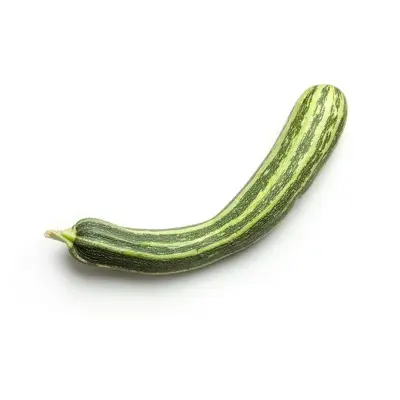
A sweet-flavored, ribbed fruit growing up to 15" long. Widely adapted, grows well in hot weather, and sets early. Try using this unusual-looking cucumber in salads, for bread-and-butter or mixed vegetable pickles. Excellent eating quality. Bitter-free. Trellis for straight fruits.
Harvest
61d
Days to harvest
Sun
Full sun
Zones
2–11
USDA hardiness
Height
8-18 inches
Planting Timeline
Showing dates for Suyo Long in USDA Zone 7
All Zone 7 cucumber →Zone Map
Click a state to update dates
Suyo Long · Zones 2–11
Growing Details
Succession Planting
Suyo Long takes about 61 days from direct sow to first harvest. Sow a new round every 14–21 days once soil temps are reliably at 60°F, and keep going until roughly 65–70 days before your first expected frost date. In zone 7, that window runs from early May through mid-July — anything seeded after July 15 is likely to run out of season before it produces well.
Back off on succession sowing when daytime highs are consistently above 90°F; germination rates drop and cucumber beetle pressure tends to peak in that heat. The plants already in the ground will keep going as long as you harvest every 2–3 days. Leave a Suyo Long fruit on the vine past 10–12 inches and it turns seedy and bitter fast — this variety is better picked young and often than left to size up.
Complete Growing Guide
A sweet-flavored, ribbed fruit growing up to 15" long. Widely adapted, grows well in hot weather, and sets early. Try using this unusual-looking cucumber in salads, for bread-and-butter or mixed vegetable pickles. Excellent eating quality. Bitter-free. Trellis for straight fruits. According to Johnny's Selected Seeds, Suyo Long is 61 days to maturity, annual, open pollinated. Notable features: Organic Seeds, Plants, and Supplies, Heirloom.
Light: Full sun (6 or more hours of direct sunlight a day). Soil: High Organic Matter. Soil pH: Neutral (6.0-8.0). Drainage: Good Drainage, Moist. Height: 0 ft. 8 in. - 1 ft. 6 in. Spread: 3 ft. 0 in. - 8 ft. 0 in. Spacing: 12 inches-3 feet. Growth rate: Rapid. Maintenance: Medium. Propagation: Seed. Regions: Coastal, Mountains, Piedmont.
Harvesting
Suyo Long reaches harvest at 61 days from sowing per Johnny's Selected Seeds. Expect 15" at peak. As an annual, harvest continues until frost ends the season.
The "vegetable" is botanically a fruit– it is a pepo, a berry with a hard rind. Long and cylindrical, starting out prickly when young and smoothing out to a bumpy surface as it matures. Length and girth can vary based on cultivar and culinary purpose but grow at least 3 in long. Some varieties are bred to be seedless.
Color: Green. Type: Berry. Length: > 3 inches. Width: 1-3 inches.
Garden value: Edible, Showy
Harvest time: Summer
Edibility: Fruits are commonly eaten raw or pickled. Fresh cucumbers last in the fridge for about a week.
Storage & Preservation
Fresh Suyo Long cucumbers store best in the refrigerator crisper drawer wrapped loosely in perforated plastic bags. Maintain 90-95% humidity and temperatures around 50-55°F for optimal storage – standard refrigerator temperatures are actually too cold and can cause chilling injury. Properly stored fruits last 10-14 days.
For longer preservation, slice thick rounds and quick-pickle in rice vinegar with ginger and garlic for authentic Asian-style pickles that showcase the variety's natural sweetness. The mild flavor also makes excellent fermented pickles using traditional lacto-fermentation methods.
Freezing works well for cooked applications – slice and blanch for 2 minutes, then freeze in portions for adding to stir-fries and soups. While texture becomes soft, the sweet flavor remains intact. Dehydrating creates excellent cucumber chips, though the high water content requires extended drying times of 12-18 hours at 135°F.
History & Origin
Suyo Long is open-pollinated, meaning seed saved from healthy plants will produce true-to-type offspring. Listed in the Johnny's Selected Seeds catalog.
Origin: Himalaya to Northern Thailand
Advantages
- +Sweet, mild flavor with crisp texture makes it excellent for fresh eating.
- +Grows exceptionally well in hot weather when other varieties struggle.
- +Sets fruit early with reliable 61-day maturity for consistent harvests.
- +Unusual ribbed appearance and length create visually striking salad presentations.
- +Burpless variety eliminates digestive discomfort common in standard cucumbers.
Considerations
- -Susceptible to three major diseases including powdery mildew and downy mildew.
- -Requires trellising for straight fruits, demanding extra garden setup work.
- -Vulnerable to multiple pests including cucumber beetles and squash vine borers.
- -Moderate difficulty level means less forgiving for beginner gardeners.
Companion Plants
Radishes and nasturtiums are the two companions that actually earn their spot next to Suyo Long. Radishes work as a trap crop for cucumber beetles — the beetles tend to land on them first, which buys your cucumbers time during the first few weeks when plants are most vulnerable to bacterial wilt transmission. Nasturtiums pull aphids off the cucumbers and bring in predatory wasps; they're also low enough that they don't compete for light. French marigolds (Tagetes patula specifically) release thiophene compounds from their roots that suppress Meloidogyne nematode populations in the surrounding soil — not a silver bullet, but worth planting in any bed that's had nematode trouble before. Beans make a reasonable neighbor too, fixing nitrogen that cucumbers burn through fast.
Keep aromatic herbs like rosemary and sage at least a few feet away — the volatile oils they release inhibit cucumber root development, which shows up as stunted early growth rather than any obvious above-ground symptom. Potatoes and melons belong in a different part of the garden entirely; they share enough disease pressure with cucumbers, particularly around downy mildew and soil-borne pathogens, that clustering them concentrates problems you'd rather keep spread thin.
Plant Together
Radishes
Repel cucumber beetles and squash bugs while improving soil structure
Marigolds
Deter cucumber beetles, aphids, and nematodes with their strong scent
Nasturtiums
Act as trap crops for cucumber beetles and aphids while repelling squash bugs
Beans
Fix nitrogen in soil to benefit cucumber growth and provide natural trellis support
Corn
Provides natural vertical support for climbing cucumbers and shade for roots
Sunflowers
Attract beneficial insects and provide natural trellis support for vining cucumbers
Dill
Attracts beneficial insects that prey on cucumber pests like aphids and spider mites
Lettuce
Benefits from cucumber's shade while making efficient use of garden space
Keep Apart
Aromatic Herbs
Strong herbs like sage can inhibit cucumber growth and affect flavor development
Potatoes
Compete for similar nutrients and may increase disease pressure in soil
Melons
Share similar pests and diseases, increasing infestation risk and competition for resources
Nutrition Facts
Per 100g serving. % Daily Value based on 2,000 calorie diet. Source: USDA FoodData Central (FDC #169225)
Pests & Disease Resistance
Resistance
Good heat tolerance and general disease resistance
Common Pests
Cucumber beetle, squash vine borer, aphids
Diseases
Powdery mildew, bacterial wilt, downy mildew
Troubleshooting Suyo Long
What you'll see, why it happens, and what to do about it.
Plants wilting progressively despite adequate watering — lower leaves show large tan spots between veins and scorched edges, new growth still green
Likely Causes
- Root-knot nematodes (Meloidogyne spp.) — roots appear lumpy or galled, limiting water uptake regardless of how much you irrigate
- Damage tends to be localized to one patch of the bed, which rules out uniform cultural causes like underwatering
What to Do
- 1.Pull one plant and look at the roots — marble-like galls on otherwise white, firm roots are the tell; smooth roots point elsewhere
- 2.Don't replant cucurbits in that spot for at least 2 seasons; rotate with a non-host like sweet corn
- 3.Before next season, solarize the bed with clear plastic for 4–6 weeks in full summer sun to knock down nematode populations in the top 6 inches
Entire plant collapses suddenly — vine goes limp within a day or two, roots look normal with no galling
Likely Causes
- Bacterial wilt (Erwinia tracheiphila) — transmitted by cucumber beetles (Acalymma vittatum or Diabrotica undecimpunctata); bacteria clog the vascular tissue until water can't move
- Beetle pressure that went unmanaged during the first 3–4 weeks after germination, before plants were established
What to Do
- 1.Cut a stem near the base, press the two cut ends together, pull them slowly apart — if thin threads stretch between them, that's bacterial wilt
- 2.Pull and bag affected plants; there's no treatment once a plant is infected
- 3.On your next planting, use row cover from germination until flowers open — that 3-week window of protection is usually enough to reduce beetle feeding to a manageable level
White powdery coating on upper leaf surfaces, starting on older leaves in mid-summer
Likely Causes
- Powdery mildew (Podosphaera xanthii or Erysiphe cichoracearum) — favored by dry leaf surfaces during the day combined with high humidity at night
- Plants spaced below the 18-inch minimum, blocking airflow through the canopy
What to Do
- 1.Strip the worst-affected leaves and throw them in the trash, not the compost pile
- 2.Spray potassium bicarbonate or dilute neem oil on a cloudy morning — both work better as a slowdown than a cure, so catch it early
- 3.Train Suyo Long vines vertically on a trellis; these vines run 8–18 inches tall but sprawl much farther, and getting them off the ground cuts mildew pressure noticeably
Angular yellow spots on the upper leaf surface with grayish-purple fuzzy growth underneath, spreading fast across the bed during wet weather
Likely Causes
- Downy mildew (Pseudoperonospora cubensis) — a water mold that moves quickly when nights drop below 65°F and foliage stays wet
- Overhead sprinkler irrigation that wets the leaves and doesn't allow them to dry before nightfall
What to Do
- 1.Switch to drip or soaker hose so the foliage stays dry — Suyo Long wants 1–2 inches of water per week at the root zone, not on the leaves
- 2.Apply a copper-based fungicide at the first sign; Pseudoperonospora cubensis spreads faster than most gardeners expect and is difficult to stop once it's across a whole bed
- 3.Clear all cucurbit debris at season's end — the pathogen overwinters on plant material left in the bed
Frequently Asked Questions
How long does Suyo Long cucumber take to grow from seed?▼
Can you grow Suyo Long cucumbers in containers?▼
What does Suyo Long cucumber taste like?▼
Is Suyo Long cucumber good for beginners?▼
When should I plant Suyo Long cucumber seeds?▼
How big do Suyo Long cucumber plants get?▼
Zone-by-Zone Planting Calendar
| Zone | Indoor Start | Transplant | Direct Sow | Harvest |
|---|---|---|---|---|
| Zone 1 | June – June | July – August | July – September | October – August |
| Zone 2 | May – June | July – July | July – August | September – September |
| Zone 11 | January – January | February – February | February – March | April – June |
| Zone 12 | January – January | February – February | February – March | April – June |
| Zone 13 | January – January | February – February | February – March | April – June |
| Zone 3 | May – May | June – July | June – August | September – October |
| Zone 4 | April – May | June – June | June – July | August – October |
| Zone 5 | April – April | May – June | May – July | August – September |
| Zone 6 | April – April | May – June | May – July | August – September |
| Zone 7 | March – April | May – May | May – June | July – September |
| Zone 8 | March – March | April – May | April – June | July – August |
| Zone 9 | February – February | March – April | March – May | June – July |
| Zone 10 | January – February | March – March | March – April | May – July |
Growing Guides from Wind River Greens
Sources & References
External authority sources used in compiling this guide.
- BreederJohnny's Selected Seeds
- USDAUSDA FoodData Central
See the Methodology page for how this data is sourced, what's AI-assisted, and known limitations.