Poona Kheera
Cucumis sativus 'Poona Kheera'
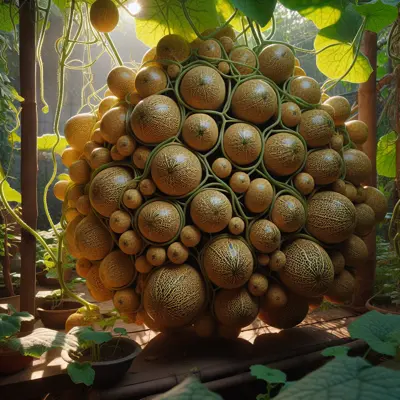
A stunning Indian heirloom cucumber that starts creamy white and transforms to golden-brown with dark netting as it matures, offering gardeners both beauty and exceptional flavor. The round to oval fruits have crisp, white flesh with a refreshing taste that remains sweet even when fully mature. This unique variety is as ornamental as it is delicious, making it a conversation starter in any garden.
Harvest
60-65d
Days to harvest
Sun
Full sun
Zones
2–11
USDA hardiness
Height
8-18 inches
Planting Timeline
Showing dates for Poona Kheera in USDA Zone 7
All Zone 7 cucumber →Zone Map
Click a state to update dates
Poona Kheera · Zones 2–11
Growing Details
Succession Planting
Poona Kheera produces continuously once it's established, but the vines tire out — heat, disease, and age wind them down by late summer. Direct sow a first round in early May once soil temperature hits 65°F, then follow with a second sowing 3–4 weeks later for a harvest window that runs through September. Don't push a third sowing past mid-June; at 60–65 days to harvest, vines started after that will hit sustained heat above 95°F mid-season and slow considerably before they finish.
Pull spent vines as soon as production drops — don't leave cucurbit debris on the bed. NC State Extension notes that cucumber beetle eggs overwinter in discarded plant material, so clearing the bed in fall reduces pressure the following spring. Turn or till the bed after clearing to disrupt any eggs already in the soil.
Complete Growing Guide
This heirloom variety reaches peak sweetness between 60-65 days, so resist the temptation to harvest early—unlike modern hybrids, Poona Kheera actually improves in flavor as it matures. Provide consistent warmth (70-85°F) and rich, well-draining soil with ample organic matter, as this Indian cultivar demands more nutrients than standard types to develop its characteristic golden netting and cream flesh. Watch closely for spider mites and powdery mildew, which thrive in the humid conditions this variety prefers; improve air circulation around vines to minimize fungal pressure. The plants tend toward vigorous vining rather than compact growth, so plan for sturdy trellising to maximize space and ensure even maturation. Harvest fruits at their full golden-brown stage rather than the green stage—this is when their true crisp texture and complex sweetness emerge, justifying the longer growing season.
Light: Full sun (6 or more hours of direct sunlight a day). Soil: High Organic Matter. Soil pH: Neutral (6.0-8.0). Drainage: Good Drainage, Moist. Height: 0 ft. 8 in. - 1 ft. 6 in.. Spread: 3 ft. 0 in. - 8 ft. 0 in.. Spacing: 12 inches-3 feet. Growth rate: Rapid. Maintenance: Medium. Propagation: Seed. Regions: Coastal, Mountains, Piedmont.
Harvesting
Harvest Poona Kheera cucumbers when they reach 4-6 inches in length and the skin transitions from creamy white to golden-brown with visible dark netting, signaling peak maturity. The fruits should feel firm to the touch but yield slightly to gentle pressure. Unlike cucumbers that deteriorate quickly when overripe, this variety maintains its sweet flavor and crisp texture even at full maturity, allowing some flexibility in harvest timing. For maximum productivity, pick fruits regularly every 2-3 days rather than allowing single mature specimens to dominate the vine, as continuous harvesting stimulates additional flower and fruit production throughout the season.
The "vegetable" is botanically a fruit– it is a pepo, a berry with a hard rind. Long and cylindrical, starting out prickly when young and smoothing out to a bumpy surface as it matures. Length and girth can vary based on cultivar and culinary purpose but grow at least 3 in long. Some varieties are bred to be seedless.
Color: Green. Type: Berry. Length: > 3 inches. Width: 1-3 inches.
Garden value: Edible, Showy
Harvest time: Summer
Edibility: Fruits are commonly eaten raw or pickled. Fresh cucumbers last in the fridge for about a week.
Storage & Preservation
Fresh Poona Kheera stores best at 55°F with high humidity – wrap individually in paper towels and store in the refrigerator crisper for up to 2 weeks. The mature golden-brown fruits actually store longer than the young white ones due to their thicker skin.
For preservation, young fruits pickle beautifully using traditional Indian methods with mustard oil, turmeric, and fenugreek. The mature fruits excel in fermented preparations or can be processed into relishes. Avoid freezing fresh as the high water content creates mushy texture upon thawing.
Dehydrating thin slices of mature fruits creates unique chips with concentrated flavor. The ornamental appearance of fully mature fruits also makes them excellent for short-term decorative use before processing into preserves or chutneys.
History & Origin
Poona Kheera originates from the Poona (now Pune) region of India, where it has been cultivated as a traditional heirloom variety for generations within Indian gardening heritage. The variety name directly references its geographic origin and the Hindi word "kheera," meaning cucumber. While detailed documentation of its specific breeding origins, development year, or formal introduction by seed companies remains limited in Western horticultural records, Poona Kheera represents the broader lineage of Indian heirloom cucumbers preserved through traditional seed-saving practices by local farmers. This variety exemplifies the rich diversity of regional landraces developed through centuries of cultivation in the Indian subcontinent's warm climate.
Origin: Himalaya to Northern Thailand
Advantages
- +Stunning color transformation from white to golden-brown adds ornamental garden value
- +Crisp, sweet flavor remains refreshing even when fully mature without bitterness
- +Ready to harvest in just 60-65 days from planting for quick crops
- +Unique round-oval shape and appearance makes it an excellent conversation starter
- +White flesh and delicate skin suit fresh eating and cultural cuisine preferences
Considerations
- -Susceptible to multiple pests including cucumber beetles, aphids, and spider mites simultaneously
- -Vulnerable to three significant diseases: downy mildew, bacterial wilt, and angular leaf spot
- -Moderate difficulty level requires more attentive care than standard cucumber varieties
- -Heirloom genetics may produce lower yields compared to modern hybrid cultivars
Companion Plants
Basil and French marigolds (Tagetes patula) are the two companions that pull their actual weight here. Basil's volatile oils may interfere with aphid host-finding — the research is genuinely mixed — but interplanting it 12–18 inches away costs you nothing and you get herbs out of the deal. French marigolds are a more concrete investment: their roots release thiophene compounds that suppress root-knot nematode (Meloidogyne spp.) populations when planted densely for a full season. A solid border of French marigolds around the cucumber bed is worth doing, especially if you've had the lumpy-root wilting problem before.
Nasturtiums work as a trap crop for aphids — they colonize nasturtiums preferentially, which buys you time to deal with the problem before it migrates onto Poona Kheera's foliage. Radishes direct-seeded between plants are useful in the early weeks: they draw flea beetles and loosen the soil surface as you pull them, which helps drainage around shallow cucumber roots.
Sage and other high-intensity aromatic herbs should stay at least 3 feet away. Concentrated essential oil compounds from plants like sage have shown allelopathic effects on cucurbit root development in close proximity. Potatoes are a harder problem — they share soilborne pathogens with cucurbits, compete aggressively in the root zone, and aren't worth the cross-contamination risk to either crop.
Plant Together
Basil
Repels aphids, spider mites, and thrips while potentially improving cucumber flavor
Marigold
Deters cucumber beetles, aphids, and nematodes with strong scent
Nasturtium
Acts as trap crop for cucumber beetles and squash bugs
Radish
Repels cucumber beetles and doesn't compete for space due to quick harvest
Beans
Fixes nitrogen in soil and provides beneficial ground cover
Corn
Provides natural trellis support and creates beneficial microclimate
Sunflower
Attracts beneficial insects and provides natural support structure
Dill
Attracts beneficial insects like ladybugs and parasitic wasps
Keep Apart
Sage
May inhibit cucumber growth through allelopathic compounds
Aromatic herbs (strong)
Strong oils from herbs like rosemary can stunt cucumber growth
Potato
Competes for nutrients and may increase disease susceptibility
Nutrition Facts
Per 100g serving. % Daily Value based on 2,000 calorie diet. Source: USDA FoodData Central (FDC #169225)
Pests & Disease Resistance
Resistance
Moderate disease resistance, some tolerance to powdery mildew
Common Pests
Cucumber beetles, aphids, squash bugs, spider mites
Diseases
Downy mildew, bacterial wilt, angular leaf spot
Troubleshooting Poona Kheera
What you'll see, why it happens, and what to do about it.
Plants wilting progressively — started with midday droop, gets worse even after watering, lower leaves showing large tan blotches between veins with scorched edges
Likely Causes
- Bacterial wilt (Erwinia tracheiphila) — transmitted by cucumber beetles feeding on stems and leaves
- Root-knot nematodes (Meloidogyne spp.) — causes lumpy, stunted root systems that can't support the plant in heat
What to Do
- 1.Cut a wilting stem near the base, touch the two cut ends together, then slowly pull them apart — if you see sticky threads bridging the gap, it's bacterial wilt; remove and bag those plants immediately
- 2.Dig up a struggling plant and check the roots for knobby galls; if nematodes are confirmed, solarize that bed for 4–6 weeks next summer before replanting
- 3.Rotate cucurbits out of the affected bed for at least 3 years — NC State Extension recommends the same for cucumber beetle pressure, since the beetles are the primary vector for bacterial wilt
Yellow, angular spots on upper leaf surface turning brown, water-soaked patches on the underside — spreading fast in humid weather
Likely Causes
- Downy mildew (Pseudoperonospora cubensis) — spreads by wind-borne spores, thrives when nights cool to 55–65°F and leaves stay wet
- Angular leaf spot (Pseudomonas syringae pv. lachrymans) — bacterial infection that produces spots bounded sharply by leaf veins, distinguishing it from fungal blights
What to Do
- 1.Switch to drip or soaker hose if you're overhead irrigating — keeping foliage dry slows both diseases significantly
- 2.Strip and trash (don't compost) heavily infected leaves to reduce the spore load on the rest of the plant
- 3.For downy mildew, apply a copper-based fungicide on a 7-day schedule starting at first sign — waiting until half the canopy is gone accomplishes nothing
Leaves stippled silver or bronze, fine webbing visible on undersides, plant looks dull and stressed during hot dry stretches
Likely Causes
- Two-spotted spider mite (Tetranychus urticae) — populations explode when temps exceed 90°F and humidity drops
- Inconsistent watering — drought-stressed cucumbers are more susceptible to mite colonization and recover more slowly once infested
What to Do
- 1.Blast undersides of leaves with a strong stream of water every couple of days — disrupts colonies before they establish and costs nothing
- 2.Keep soil moisture steady at 1–2 inches per week; mites move fastest on plants already under drought stress
- 3.For heavy infestations, apply insecticidal soap or neem oil directly to leaf undersides every 5–7 days — spray in early morning or evening, not midday, to avoid burning foliage
Frequently Asked Questions
How long does Poona Kheera take to grow from seed to harvest?▼
Can you grow Poona Kheera cucumbers in containers?▼
What does Poona Kheera cucumber taste like compared to regular cucumbers?▼
When should I plant Poona Kheera cucumber seeds?▼
Is Poona Kheera good for beginner gardeners?▼
How do you know when Poona Kheera cucumbers are ready to harvest?▼
Zone-by-Zone Planting Calendar
| Zone | Indoor Start | Transplant | Direct Sow | Harvest |
|---|---|---|---|---|
| Zone 3 | May – May | June – July | June – August | September – October |
| Zone 4 | April – May | June – June | June – July | August – October |
| Zone 5 | April – April | May – June | May – July | August – October |
| Zone 6 | April – April | May – June | May – July | August – September |
| Zone 7 | March – April | May – May | May – June | July – September |
| Zone 8 | March – March | April – May | April – June | July – August |
| Zone 9 | February – February | March – April | March – May | June – July |
| Zone 10 | January – February | March – March | March – April | May – July |
| Zone 1 | June – June | July – August | July – September | October – August |
| Zone 2 | May – June | July – July | July – August | September – September |
| Zone 11 | January – January | February – February | February – March | April – June |
| Zone 12 | January – January | February – February | February – March | April – June |
| Zone 13 | January – January | February – February | February – March | April – June |
Growing Guides from Wind River Greens
Sources & References
External authority sources used in compiling this guide.
See the Methodology page for how this data is sourced, what's AI-assisted, and known limitations.