Parisian Pickling Gherkin
Cucumis sativus 'Parisian Pickling'
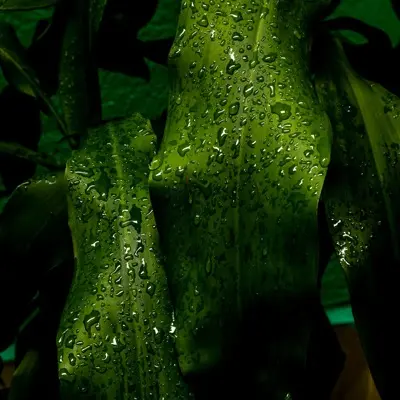
A classic French heirloom prized for producing abundant tiny cucumbers perfect for traditional cornichon pickles. These compact plants yield hundreds of small, bumpy fruits that should be harvested daily when just 1-2 inches long. The ultimate variety for gourmet pickle enthusiasts who want to create authentic European-style preserved cucumbers.
Harvest
50-55d
Days to harvest
Sun
Full sun
Zones
2–11
USDA hardiness
Height
8-18 inches
Planting Timeline
Showing dates for Parisian Pickling Gherkin in USDA Zone 7
All Zone 7 cucumber →Zone Map
Click a state to update dates
Parisian Pickling Gherkin · Zones 2–11
Growing Details
Succession Planting
Direct sow every 10–14 days once soil temperatures reach 60°F, typically early May in zone 7. Each planting gives you a concentrated flush of fruits right at the 50–55 day mark, which is exactly what you want for pickling — gherkins need to come in at 2–3 inches, and a staggered schedule keeps that window from swamping you all at once. Stop new sowings by early July; anything started after that hits peak production during the hottest part of August, when powdery mildew pressure spikes and cucumber beetle populations are still active, and the plants tend to underperform.
Complete Growing Guide
This French heirloom demands daily harvesting at the 1-2 inch stage to maintain productivity and prevent oversized fruits that compromise pickle quality; skipping even one day can result in tough, seedy gherkins unsuitable for cornichons. Plant after frost danger passes in full sun with consistently moist soil, as irregular watering stresses these compact plants and triggers premature bolting or bitter-flavored fruits. Unlike sprawling cucumber varieties, Parisian Pickling Gherkin remains naturally dwarf at 8-18 inches, making it ideal for containers and small spaces, though this compact habit means less foliage to protect developing fruits from sunscald. Watch for spider mites in hot, dry conditions and cucumber beetles early in the season, as both insects readily colonize densely-planted gherkin beds. A practical approach: harvest fruits in early morning when they're crisp and cool, immediately placing them in ice water before pickling to ensure maximum crunchiness in your finished cornichons.
Light: Full sun (6 or more hours of direct sunlight a day). Soil: High Organic Matter. Soil pH: Neutral (6.0-8.0). Drainage: Good Drainage, Moist. Height: 0 ft. 8 in. - 1 ft. 6 in.. Spread: 3 ft. 0 in. - 8 ft. 0 in.. Spacing: 12 inches-3 feet. Growth rate: Rapid. Maintenance: Medium. Propagation: Seed. Regions: Coastal, Mountains, Piedmont.
Harvesting
Harvest Parisian Pickling Gherkins when fruits reach their distinctive 1-2 inch length with deep green coloring and slight bumpy texture still tender to the touch, before they yellow or soften. These prolific plants demand continuous daily harvesting rather than single picking sessions; leaving mature fruits on the vine signals the plant to slow production and redirect energy away from flowering. Pick every morning during cooler hours to maintain maximum crispness and flavor in these delicate cornichons, as afternoon heat can soften the skin and reduce pickle quality. Regular removal of ripe fruits, even small ones, encourages the plant to produce hundreds more throughout the season, making daily vigilance the key to maximum yield and superior preserved results.
The "vegetable" is botanically a fruit– it is a pepo, a berry with a hard rind. Long and cylindrical, starting out prickly when young and smoothing out to a bumpy surface as it matures. Length and girth can vary based on cultivar and culinary purpose but grow at least 3 in long. Some varieties are bred to be seedless.
Color: Green. Type: Berry. Length: > 3 inches. Width: 1-3 inches.
Garden value: Edible, Showy
Harvest time: Summer
Edibility: Fruits are commonly eaten raw or pickled. Fresh cucumbers last in the fridge for about a week.
Storage & Preservation
Fresh Parisian gherkins maintain peak quality for 3-5 days when stored in the refrigerator's crisper drawer in a perforated plastic bag. Don't wash until ready to use, as excess moisture encourages decay. For best texture in pickles, process within 24 hours of harvest.
These gherkins excel in traditional French cornichon recipes using white wine vinegar, tarragon, and pearl onions. Quick pickle in a simple brine of equal parts water and white vinegar with salt for immediate use. For long-term storage, use proper water-bath canning methods following tested recipes.
Fermented gherkins develop complex flavors using a 3% salt brine with dill and garlic—ferment at room temperature for 3-5 days, then refrigerate. Freezing isn't recommended as it destroys the crisp texture essential for quality pickles. Properly canned gherkins maintain excellent quality for 12-18 months.
History & Origin
The Parisian Pickling Gherkin represents a French heirloom tradition rather than a documented single-origin breeding event. This variety emerged from centuries of French pickling culture, particularly in the Paris region where cornichon production became a culinary specialty during the 18th and 19th centuries. French gardeners and seed companies selectively bred compact cucumber plants yielding abundant tiny fruits ideal for traditional preservation methods. While specific breeder attribution or introduction date remains undocumented in modern seed catalogs, the variety embodies the collective horticultural knowledge of French market gardeners who refined small-fruited cucumber types for the distinctive European cornichon trade. Contemporary seed companies maintain this heirloom lineage, preserving authentic French pickling cucumber genetics.
Origin: Himalaya to Northern Thailand
Advantages
- +Produces hundreds of tiny fruits perfect for authentic French cornichon pickles
- +Compact plants ideal for small gardens and container growing
- +Fast maturity at 50-55 days means quick harvests for impatient gardeners
- +Crisp, mild flavor specifically bred for superior pickle quality
- +Easy cultivation makes it excellent for beginner pickle enthusiasts
Considerations
- -Requires daily harvesting when 1-2 inches long or fruits become oversized
- -Vulnerable to three major diseases including cucumber mosaic virus
- -Multiple pest pressures from beetles, aphids, and squash bugs require vigilance
- -Demands consistent moisture and rich soil for productive harvests
Companion Plants
Radishes are the most practical neighbor here — set them as a trap crop along the bed edge to pull flea beetles away, and their 30-day cycle clears them out before the cucumbers need the space. Tagetes patula marigolds do two things at once: aboveground they confuse cucumber beetles, and if you till them in at season's end they help knock back root-knot nematode populations over time. Nasturtiums tend to collect aphid colonies on themselves, pulling the pressure off cucumber foliage where it's harder to spot. Potatoes and melons should stay at the other end of the garden — potatoes share fungal vulnerabilities that complicate disease scouting, and melons draw the same beetle species, turning that corner of the garden into a buffet.
Plant Together
Radish
Deters cucumber beetles and squash bugs while improving soil structure
Marigold
Repels aphids, whiteflies, and nematodes with strong scent
Nasturtium
Acts as trap crop for cucumber beetles and aphids
Bush Beans
Fix nitrogen in soil and provide ground cover without competing for space
Corn
Provides natural trellis support and creates beneficial microclimate
Sunflower
Attracts beneficial insects and provides afternoon shade in hot climates
Dill
Attracts beneficial predatory insects and may improve cucumber flavor
Lettuce
Provides living mulch and efficient use of space as ground cover
Keep Apart
Aromatic Herbs
Strong herbs like sage and rosemary can inhibit cucumber growth and germination
Potato
Competes for nutrients and may increase disease susceptibility
Melon
Attracts same pests and diseases, leading to increased cucumber beetle pressure
Nutrition Facts
Per 100g serving. % Daily Value based on 2,000 calorie diet. Source: USDA FoodData Central (FDC #169225)
Pests & Disease Resistance
Resistance
Moderate resistance to common cucumber diseases
Common Pests
Cucumber beetles, aphids, squash bugs
Diseases
Downy mildew, powdery mildew, cucumber mosaic virus
Troubleshooting Parisian Pickling Gherkin
What you'll see, why it happens, and what to do about it.
Plants wilting mid-day despite adequate watering, lower leaves yellowing, roots showing small knobby galls
Likely Causes
- Root-knot nematode (Meloidogyne spp.) — soil-borne, persists for years, wide host range
- Overwatering in response to wilt symptoms, which compounds root stress without fixing the actual problem
What to Do
- 1.Pull and bag affected plants — don't compost them
- 2.Plant French marigolds (Tagetes patula) as a solid cover in that bed for a full season; NC State Extension recommends this as a cultural suppression strategy before returning susceptible crops
- 3.Avoid cucurbits, tomatoes, beets, okra, spinach, and sweet potatoes in that spot for several years; send a soil sample to a nematode assay lab before replanting susceptibles
Leaves developing angular yellow patches on top, grayish-purple fuzzy growth on the undersides, spreading fast in humid weather
Likely Causes
- Downy mildew (Pseudoperonospora cubensis) — a water mold that moves quickly in wet conditions above 60°F
- Dense canopy with poor airflow trapping leaf moisture overnight
What to Do
- 1.Remove and trash heavily infected leaves immediately — do not compost
- 2.Train vines up a trellis to open the canopy and cut down on overnight leaf wetness
- 3.Water at the base in the morning; if downy mildew hit your garden the previous season, start a copper-based fungicide on a 7-day preventive schedule before symptoms appear
Striped or spotted beetles chewing leaf edges and flowers around days 20–40 after transplant; plants subsequently collapsing even with good soil moisture
Likely Causes
- Striped cucumber beetle (Acalymma vittatum) or spotted cucumber beetle (Diabrotica undecimpunctata) — adults feed on foliage and transmit bacterial wilt (Erwinia tracheiphila)
- Beetle eggs overwintering in old cucurbit debris left in the bed from the prior season
What to Do
- 1.Cover transplants with floating row cover immediately at planting; pull it once flowers open so pollinators can get in
- 2.Clear all cucurbit plant material at season's end and turn the bed to break up overwintering egg sites — NC State Extension's AG-295 lists this as a primary cultural tactic
- 3.Rotate cucurbits to a different bed, waiting at least 3 years before returning to the same spot; no beetle-resistant variety exists for this gherkin type, so physical exclusion is your main tool
Frequently Asked Questions
How long does Parisian Pickling Gherkin take to grow?▼
Can you grow Parisian Pickling Gherkin in containers?▼
What's the difference between Parisian Pickling Gherkin and regular cucumbers?▼
Is Parisian Pickling Gherkin good for beginners?▼
When should I plant Parisian Pickling Gherkin?▼
Do Parisian Pickling Gherkins need a trellis?▼
Zone-by-Zone Planting Calendar
| Zone | Indoor Start | Transplant | Direct Sow | Harvest |
|---|---|---|---|---|
| Zone 1 | June – June | July – August | July – September | September – August |
| Zone 2 | May – June | July – July | July – August | September – September |
| Zone 11 | January – January | February – February | February – March | April – May |
| Zone 12 | January – January | February – February | February – March | April – May |
| Zone 13 | January – January | February – February | February – March | April – May |
| Zone 3 | May – May | June – July | June – August | August – October |
| Zone 4 | April – May | June – June | June – July | August – October |
| Zone 5 | April – April | May – June | May – July | August – September |
| Zone 6 | April – April | May – June | May – July | July – September |
| Zone 7 | March – April | May – May | May – June | July – August |
| Zone 8 | March – March | April – May | April – June | June – August |
| Zone 9 | February – February | March – April | March – May | May – July |
| Zone 10 | January – February | March – March | March – April | May – June |
Growing Guides from Wind River Greens
Sources & References
External authority sources used in compiling this guide.
See the Methodology page for how this data is sourced, what's AI-assisted, and known limitations.