Muncher Cucumber
Cucumis sativus 'Muncher'
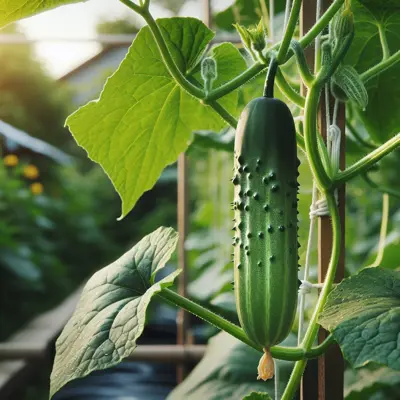
An award-winning All-America Selections winner that lives up to its name as the perfect snacking cucumber. This reliable variety produces crisp, never-bitter fruits with tender skin that doesn't need peeling, making it ideal for fresh eating straight from the garden. Muncher offers excellent disease resistance and consistent production throughout the season.
Harvest
60-65d
Days to harvest
Sun
Full sun
Zones
2–11
USDA hardiness
Height
8-18 inches
Planting Timeline
Showing dates for Muncher Cucumber in USDA Zone 7
All Zone 7 cucumber →Zone Map
Click a state to update dates
Muncher Cucumber · Zones 2–11
Growing Details
Succession Planting
Muncher produces continuously until heat or disease knocks it back, so one planting isn't your limit. In zone 7, direct sow every 3 weeks from mid-May through late June; a planting started after July 1 will likely hit first frost before reaching full production. Stop new sowings when daytime highs are consistently above 90°F — germination rates drop and new seedlings struggle to establish in that kind of heat.
If your first planting collapses to bacterial wilt or powdery mildew by August (which happens), a succession planting in a different bed will already be a few weeks behind and can carry you through September. That's the practical reason to stagger cucumber plantings: insurance against mid-season disease loss, not just extending the harvest window.
Complete Growing Guide
With a compact 8-18 inch growth habit, Muncher thrives in containers and small gardens where full-sized slicers won't fit, reaching peak production within 60-65 days of transplanting. Plant in warm soil (70°F+) after all frost danger passes, as this variety's early maturity rewards gardeners in both short and long growing seasons. Muncher's disease resistance is exceptional—particularly against powdery mildew and cucumber mosaic virus—but monitor for spider mites in hot, dry conditions, which can stress the tender-skinned fruits. This cultivar rarely becomes bitter even under stress, though inconsistent watering can reduce crispness; maintain even soil moisture throughout the season. A practical advantage: harvest fruits at 6-8 inches for maximum tenderness and snacking appeal, and pick frequently to encourage continuous flowering rather than allowing mature fruits to signal the plant to slow production.
Light: Full sun (6 or more hours of direct sunlight a day). Soil: High Organic Matter. Soil pH: Neutral (6.0-8.0). Drainage: Good Drainage, Moist. Height: 0 ft. 8 in. - 1 ft. 6 in.. Spread: 3 ft. 0 in. - 8 ft. 0 in.. Spacing: 12 inches-3 feet. Growth rate: Rapid. Maintenance: Medium. Propagation: Seed. Regions: Coastal, Mountains, Piedmont.
Harvesting
Muncher cucumbers reach peak harvest readiness when they achieve a deep green color and measure 6 to 8 inches in length, at which point the skin feels firm yet yields slightly to gentle pressure. Unlike varieties bred for storage, Munchers are most tender and flavorful when picked at this size rather than allowed to grow larger. Regular harvesting every two to three days encourages continuous production throughout the season, as leaving mature fruits on the vine signals the plant to stop flowering. For best results, pick in the early morning when cucumbers are still cool and crisp, which locks in their signature sweetness and prevents any hint of bitterness from developing.
The "vegetable" is botanically a fruit– it is a pepo, a berry with a hard rind. Long and cylindrical, starting out prickly when young and smoothing out to a bumpy surface as it matures. Length and girth can vary based on cultivar and culinary purpose but grow at least 3 in long. Some varieties are bred to be seedless.
Color: Green. Type: Berry. Length: > 3 inches. Width: 1-3 inches.
Garden value: Edible, Showy
Harvest time: Summer
Edibility: Fruits are commonly eaten raw or pickled. Fresh cucumbers last in the fridge for about a week.
Storage & Preservation
Store fresh Muncher cucumbers in the refrigerator crisper drawer wrapped loosely in perforated plastic bags to maintain humidity while allowing air circulation. They'll stay crisp for 7-10 days when properly stored. Avoid storing near ethylene-producing fruits like tomatoes or melons, which can cause yellowing and accelerated decay.
For longer preservation, slice Muncher cucumbers for quick refrigerator pickles using a simple vinegar-salt brine — their tender skin doesn't require peeling and holds up well to light pickling. They can also be frozen for smoothies and cold soups by slicing and laying flat on baking sheets before transferring to freezer bags, though texture will soften. Dehydrate thin slices at 135°F for healthy, crispy snacks that concentrate the sweet flavor. The variety's never-bitter quality makes it excellent for fermented pickles using traditional lacto-fermentation methods.
History & Origin
The Muncher Cucumber was introduced by Harris Seeds, a prominent American seed company with roots dating to 1879. While specific breeder names and exact development dates for this variety are not extensively documented in readily available horticultural records, Muncher emerged from the broader American cucumber breeding tradition focused on developing compact, disease-resistant slicing cucumbers suited to home gardens. The variety's All-America Selections award recognition reflects its successful breeding for consistent quality and disease resistance traits valued by modern gardeners. Like many mid-twentieth-century vegetable introductions, Muncher represents the seed industry's systematic selection for improved eating quality and garden performance rather than a single identifiable breeder.
Origin: Himalaya to Northern Thailand
Advantages
- +Award-winning All-America Selections winner known for reliability and consistent production
- +Perfect snacking cucumber with crisp, sweet flavor and naturally tender, edible skin
- +Excellent disease resistance reduces need for frequent fungicide applications
- +Matures quickly in 60-65 days, ideal for succession planting throughout season
- +Never-bitter taste makes Muncher superior to many standard slicing varieties
Considerations
- -Susceptible to cucumber beetles and spider mites requiring regular pest monitoring
- -Vulnerable to powdery mildew and bacterial wilt in humid growing conditions
- -Tender skin, while convenient for eating, damages easily during transport or storage
Companion Plants
Marigolds (Tagetes spp.) and basil pull the most weight here. Marigolds deter aphids and cucumber beetles through scent — plant them at 12-inch intervals along the bed edge rather than one token clump at the corner. Basil likely confuses aphids and whiteflies the same way, though most people grow it next to cucumbers for the simple reason that both are ready around the same time and you'll want both in the same bowl. Radishes serve a different purpose entirely: direct-sow a fast variety like 'Cherry Belle' between cucumber hills and let a few bolt — the flowers pull in predatory wasps that knock back aphid populations without any spray.
Fennel stays out of the bed. Its roots release allelopathic compounds that suppress neighboring plants, and cucumbers are notably sensitive to that kind of chemical interference. Potatoes are a problem for a different reason — they share several soil-borne pathogens with cucumbers, including some that carry over season to season, so putting them in the same bed just stacks your disease risk with nothing gained.
Plant Together
Basil
Repels aphids, spider mites, and thrips while potentially improving cucumber flavor
Radish
Deters cucumber beetles and squash bugs, breaks up soil for cucumber roots
Marigold
Repels cucumber beetles, aphids, and nematodes with strong scent
Nasturtium
Acts as trap crop for cucumber beetles and squash bugs
Dill
Attracts beneficial insects like parasitic wasps that control cucumber pests
Bush Beans
Fix nitrogen in soil for cucumber feeding, compatible root systems
Lettuce
Provides living mulch, shallow roots don't compete with cucumbers
Sunflower
Provides natural trellis support and attracts beneficial pollinators
Keep Apart
Aromatic Herbs
Strong scents from sage, oregano can inhibit cucumber germination and growth
Potato
Competes heavily for nutrients and water, may stunt cucumber growth
Fennel
Releases allelopathic compounds that inhibit cucumber growth and development
Nutrition Facts
Per 100g serving. % Daily Value based on 2,000 calorie diet. Source: USDA FoodData Central (FDC #169225)
Pests & Disease Resistance
Resistance
Excellent resistance to scab, cucumber mosaic virus, and downy mildew
Common Pests
Cucumber beetles, aphids, spider mites
Diseases
Powdery mildew, bacterial wilt, angular leaf spot
Troubleshooting Muncher Cucumber
What you'll see, why it happens, and what to do about it.
Plants wilting during the day despite adequate watering — lower leaves developing large tan spots between the veins with scorched edges
Likely Causes
- Bacterial wilt (Erwinia tracheiphila) — transmitted by cucumber beetle feeding, blocks vascular tissue
- Root-knot nematodes — cause 'lumpy' root systems that can't move water effectively, as described in NC State Extension's IPM cucumber case study
What to Do
- 1.Cut a wilting stem near the base, touch the cut ends together, then pull apart slowly — a stringy thread means bacterial wilt; remove and bag those plants immediately
- 2.If roots look lumpy or knotted but no bacterial thread appears, submit a soil sample to your county extension office for nematode counts before replanting cucurbits in that bed
- 3.Rotate out of the cucurbit family for at least 3 years in any bed where bacterial wilt or nematodes appeared
Chewed leaf edges and small holes in leaves on young plants; stunted seedlings; yellowish beetles or black-spotted beetles visible on foliage
Likely Causes
- Striped cucumber beetle (Acalymma vittatum) or spotted cucumber beetle (Diabrotica undecimpunctata) — adults feed on foliage and transmit bacterial wilt while doing it
- Overwintered beetle populations from nearby untilled beds or unremoved plant debris
What to Do
- 1.Cover transplants or direct-sown seedlings with row cover immediately after planting; remove it once flowers open for pollination
- 2.After harvest, pull and dispose of all vine material and turn the bed — cucumber beetle eggs overwinter in plant debris, and NC State Extension's IPM guidelines specifically name debris removal and bed-turning as key disruption tactics
- 3.If pressure is heavy every year, consider planting resistant cucumber varieties like Gemini or Chipper in that bed rotation; Muncher has no listed resistance to cucumber beetles
White powdery coating on upper leaf surfaces, usually appearing mid-season after the canopy fills in
Likely Causes
- Powdery mildew (Podosphaera xanthii or Erysiphe cichoracearum) — thrives in warm days and cool nights with low surface moisture, spreads fast once established
- Dense planting that cuts airflow through the canopy
What to Do
- 1.Space plants at least 24 inches apart and train vines onto a trellis to open up airflow
- 2.At first sign of white coating, apply potassium bicarbonate or neem oil (follow label dilution rates) in the early morning so leaves dry before midday
- 3.Strip off the worst-affected leaves and bin them — powdery mildew material does not belong in the compost pile
Frequently Asked Questions
How long does Muncher cucumber take to grow from seed?▼
Can you grow Muncher cucumbers in containers?▼
Is Muncher cucumber good for beginners?▼
What does Muncher cucumber taste like compared to store-bought?▼
When should I plant Muncher cucumber seeds?▼
Can Muncher cucumbers be used for pickling?▼
Zone-by-Zone Planting Calendar
| Zone | Indoor Start | Transplant | Direct Sow | Harvest |
|---|---|---|---|---|
| Zone 3 | May – May | June – July | June – August | September – October |
| Zone 4 | April – May | June – June | June – July | August – October |
| Zone 5 | April – April | May – June | May – July | August – October |
| Zone 6 | April – April | May – June | May – July | August – September |
| Zone 7 | March – April | May – May | May – June | July – September |
| Zone 8 | March – March | April – May | April – June | July – August |
| Zone 9 | February – February | March – April | March – May | June – July |
| Zone 10 | January – February | March – March | March – April | May – July |
| Zone 1 | June – June | July – August | July – September | October – August |
| Zone 2 | May – June | July – July | July – August | September – September |
| Zone 11 | January – January | February – February | February – March | April – June |
| Zone 12 | January – January | February – February | February – March | April – June |
| Zone 13 | January – January | February – February | February – March | April – June |
Growing Guides from Wind River Greens
Sources & References
External authority sources used in compiling this guide.
See the Methodology page for how this data is sourced, what's AI-assisted, and known limitations.