Kirby Cucumber
Cucumis sativus 'Kirby'
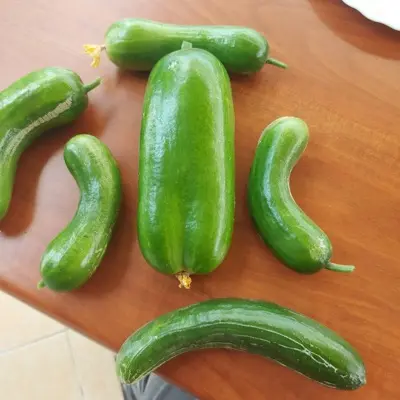
The classic pickling cucumber that's synonymous with crisp deli pickles and New York-style gherkins. These compact, bumpy cucumbers have incredibly firm flesh that maintains its crunch even after processing, making them the gold standard for home pickle makers. Their small size and prolific production make them perfect for continuous harvesting throughout the season.
Harvest
55-60d
Days to harvest
Sun
Full sun
Zones
2–11
USDA hardiness
Height
8-18 inches
Planting Timeline
Showing dates for Kirby Cucumber in USDA Zone 7
All Zone 7 cucumber →Zone Map
Click a state to update dates
Kirby Cucumber · Zones 2–11
Growing Details
Succession Planting
Direct sow every 14–18 days once soil temps reach 60°F and keep going through late June. Kirby comes in at 55–60 days, so a May 15 sowing hits harvest in mid-July; a June 15 sowing carries into late August before heat and disease pressure cut production. Each flush is good for 3–4 weeks of picking before the vines start to decline.
Stop sowing when daytime highs are consistently above 90°F — germination drops off sharply and seedlings that do emerge tend to stall rather than push. In zones 9–10, a second succession sown in late August can yield a fall harvest, but get seeds in the ground no later than early September or the plants won't reach full production before days shorten.
Complete Growing Guide
Growing Kirby cucumbers demands consistent warmth and moisture since these compact plants reach peak productivity in 55-60 days only when soil stays between 70-85°F; plant after all frost danger passes and the ground has warmed thoroughly. Unlike sprawling slicing varieties, Kirbys thrive in tight spacing and actually benefit from vertical trellising despite their modest 8-18 inch height, which improves air circulation and reduces powdery mildew susceptibility—a common issue in humid regions. These cultivars have a narrow window for harvest; pick fruits when 3-5 inches long to maintain their signature bumpy skin texture and firm flesh, as oversized specimens become seedy and soft, defeating their pickling purpose. Watch for spider mites during hot, dry spells, as the plant's compact foliage creates ideal conditions for infestation. A practical game-changer: mulch heavily around plants to maintain consistent soil moisture and moderate temperature fluctuations, which prevents the bitterness that develops under stress and maximizes your continuous harvest potential throughout the season.
Light: Full sun (6 or more hours of direct sunlight a day). Soil: High Organic Matter. Soil pH: Neutral (6.0-8.0). Drainage: Good Drainage, Moist. Height: 0 ft. 8 in. - 1 ft. 6 in.. Spread: 3 ft. 0 in. - 8 ft. 0 in.. Spacing: 12 inches-3 feet. Growth rate: Rapid. Maintenance: Medium. Propagation: Seed. Regions: Coastal, Mountains, Piedmont.
Harvesting
Harvest Kirby cucumbers when they reach 6 to 8 inches long with a deep green color and bumpy skin that feels firm to the touch; smaller fruit harvested before full maturity ensures the best crispness for pickling. These prolific plants thrive on continuous harvesting every two to three days rather than waiting for a single large crop, which encourages further flowering and production throughout the season. Check plants in early morning when temperatures are coolest, as cucumbers picked during heat stress tend to be softer and less suitable for maintaining the characteristic crunch that makes Kirbys ideal for deli-style pickles.
The "vegetable" is botanically a fruit– it is a pepo, a berry with a hard rind. Long and cylindrical, starting out prickly when young and smoothing out to a bumpy surface as it matures. Length and girth can vary based on cultivar and culinary purpose but grow at least 3 in long. Some varieties are bred to be seedless.
Color: Green. Type: Berry. Length: > 3 inches. Width: 1-3 inches.
Garden value: Edible, Showy
Harvest time: Summer
Edibility: Fruits are commonly eaten raw or pickled. Fresh cucumbers last in the fridge for about a week.
Storage & Preservation
Fresh Kirby cucumbers keep best in the refrigerator crisper drawer, stored in perforated plastic bags to maintain humidity while allowing air circulation. They'll stay crisp for 7-10 days when kept at 50-55°F – avoid storing below 45°F, which causes chilling injury and pitting.
For pickling, use cucumbers within 24 hours of harvest for maximum crispness. Kirby's firm flesh makes them ideal for quick refrigerator pickles, traditional canned dill pickles, or fermented pickles using salt brine. Their small size is perfect for whole pickles or spears.
While freezing isn't recommended for fresh eating due to texture loss, you can freeze sliced Kirbys in salt brine for later use in cooked dishes. Dehydrating creates excellent cucumber chips for snacking. For long-term preservation, water bath canning using tested pickle recipes provides shelf-stable storage for up to two years.
History & Origin
The Kirby cucumber emerged in the mid-20th century as a deliberate breeding selection focused on pickling performance, though documentation of its original breeder remains unclear. What is documented is that Kirby became widely commercialized through American seed companies during the 1950s-1960s, capitalizing on the growing popularity of home canning and pickling. The variety appears to derive from traditional pickling cucumber germplasm, likely selected for the compact plant habit, small fruit size, and distinctive warty skin that characterize modern Kirby types. Its adoption as the standard for New York deli pickles and commercial pickle production solidified its position in American gardening culture, though the specific breeding program or individual responsible for its development remains largely unrecorded in horticultural literature.
Origin: Himalaya to Northern Thailand
Advantages
- +Perfect for pickling with exceptional crunch that survives processing
- +Prolific producer allows continuous harvesting throughout the entire season
- +Compact size makes them ideal for small garden spaces
- +Matures quickly in just 55-60 days for rapid succession planting
- +Mild flavor pairs excellently with various pickle spice combinations
Considerations
- -Highly susceptible to powdery and downy mildew in humid conditions
- -Vulnerable to multiple pest species including cucumber beetles and spider mites
- -Requires consistent moisture to prevent bitterness and maintain crispness
- -Disease pressure may necessitate frequent fungicide applications in wet climates
Companion Plants
Radishes are the most practical companion here — direct-sow them at the base of your cucumber hills and they pull flea beetles and aphids off the cucumbers. French marigolds (Tagetes patula specifically, not the big African types) do double duty: their scent disrupts cucumber beetle (Acalymma vittatum) foraging, and a dense planting can suppress Meloidogyne nematode populations in the soil over a full season. Nasturtiums work as a beetle trap crop at the bed edges — they'll take the feeding pressure before it reaches your cucumbers. Dill draws predatory wasps that knock back aphid colonies; just pull it before it goes fully to seed next to the vines, or it shifts from ally to competitor.
Potatoes and melons both belong elsewhere. Potatoes share soil pathogens with cucurbits and their root systems compete at the same 6–12 inch depth where cucumber roots are most active. Melons concentrate cucumber beetle pressure — two related crops side by side give beetles a bigger, easier target, and you end up with worse pressure on both. Aromatic herbs aren't actively harmful, but their preference for dry, lean soil is genuinely incompatible with cucumbers' need for 1–2 inches of consistent moisture per week; one of them ends up compromised.
Plant Together
Radish
Deters cucumber beetles and squash bugs while breaking up soil for cucumber roots
Marigold
Repels cucumber beetles, aphids, and nematodes with strong scent
Nasturtium
Acts as trap crop for cucumber beetles and aphids while repelling squash bugs
Bean
Fixes nitrogen in soil for cucumber growth and provides natural trellis support
Corn
Provides natural support structure and windbreak for climbing cucumber vines
Sunflower
Attracts beneficial insects and provides shade during hot summer afternoons
Dill
Attracts beneficial insects like parasitic wasps that control cucumber pests
Lettuce
Acts as living mulch, conserving soil moisture that cucumbers require
Keep Apart
Aromatic Herbs
Strong scented herbs like sage can stunt cucumber growth and affect flavor
Potato
Competes for nutrients and increases risk of blight diseases spreading to cucumbers
Melon
Shares same pests and diseases, increasing concentration of cucumber beetles and powdery mildew
Nutrition Facts
Per 100g serving. % Daily Value based on 2,000 calorie diet. Source: USDA FoodData Central (FDC #169225)
Pests & Disease Resistance
Resistance
Good resistance to scab and moderate resistance to cucumber mosaic virus
Common Pests
Cucumber beetles, aphids, squash bugs, spider mites
Diseases
Powdery mildew, downy mildew, bacterial wilt, anthracnose
Troubleshooting Kirby Cucumber
What you'll see, why it happens, and what to do about it.
Plants wilting mid-day even after watering, lower leaves with brown blotches; roots look lumpy or knotted when pulled
Likely Causes
- Root-knot nematodes (Meloidogyne spp.) — microscopic soil-dwelling roundworms that invade roots and form galls, blocking water uptake
- Problem concentrates in sandier, looser soils where nematode populations build up fastest
What to Do
- 1.Pull and trash affected plants — don't compost them
- 2.Rotate out of cucurbits for at least 3 years; NC State Extension's IPM materials note that rotation is one of the most effective cultural controls
- 3.Plant a dense cover crop of French marigolds (Tagetes patula) the following season — they can suppress Meloidogyne populations measurably before you replant
Seedlings chewed back at the cotyledons shortly after germination; small yellow-green or black-spotted beetles feeding on leaves
Likely Causes
- Striped or spotted cucumber beetle (Acalymma vittatum / Diabrotica undecimpunctata) — adults feed on foliage and transmit bacterial wilt
- Eggs overwintered in old plant debris or unworked soil nearby
What to Do
- 1.Cover transplants with floating row cover (Agribon AG-19 or similar) immediately after planting; pull it off at first flower so pollinators can reach the blooms
- 2.Clear out all cucurbit debris at end of season and turn the bed — NC State Extension notes this disrupts the beetle's overwintering life cycle
- 3.If replanting the same spot next year, look at 'Gemini' or 'Chipper' cucumber — NC State lists both as having beetle-resistant foliage through the season
White powdery coating spreading across upper leaf surfaces, usually starting on older leaves around mid-summer
Likely Causes
- Powdery mildew (Podosphaera xanthii) — fungal spores spread by wind, thrives where warm days meet cool nights even without rain on the leaves
- Dense planting that chokes airflow between vines
What to Do
- 1.Space plants at least 18 inches apart and train vines upward on a trellis — vertical growth cuts surface humidity fast
- 2.Strip off heavily coated leaves and bin them; don't leave them on the soil
- 3.Apply potassium bicarbonate or neem oil at first sign; once the coating covers more than 30% of the canopy, yield loss is already underway
Irregular yellow patches on upper leaf surfaces with grayish-purple fuzzy growth on the undersides, spreading across the planting within days
Likely Causes
- Downy mildew (Pseudoperonospora cubensis) — a water mold that moves by spores in wet, humid conditions and can collapse a planting in under two weeks
- Overhead irrigation or prolonged leaf wetness after rain accelerates spread significantly
What to Do
- 1.Switch to drip irrigation — keeping foliage dry is the most effective cultural control available once the disease arrives in your area
- 2.Pull and bag any plants showing more than 40–50% leaf coverage; Pseudoperonospora cubensis moves fast enough that infected plants become a source for the rest of the bed
- 3.Scout every 2–3 days once nighttime temps drop below 65°F and humidity climbs — that combination is the primary trigger for outbreak conditions
Frequently Asked Questions
How long do Kirby cucumbers take to grow from seed?▼
Can you grow Kirby cucumbers in containers?▼
What's the difference between Kirby and regular slicing cucumbers?▼
When should I plant Kirby cucumber seeds?▼
Are Kirby cucumbers good for beginners?▼
How do you know when Kirby cucumbers are ready to pick?▼
Zone-by-Zone Planting Calendar
| Zone | Indoor Start | Transplant | Direct Sow | Harvest |
|---|---|---|---|---|
| Zone 3 | May – May | June – July | June – August | August – October |
| Zone 4 | April – May | June – June | June – July | August – October |
| Zone 5 | April – April | May – June | May – July | August – September |
| Zone 6 | April – April | May – June | May – July | July – September |
| Zone 7 | March – April | May – May | May – June | July – August |
| Zone 8 | March – March | April – May | April – June | June – August |
| Zone 9 | February – February | March – April | March – May | May – July |
| Zone 10 | January – February | March – March | March – April | May – June |
| Zone 1 | June – June | July – August | July – September | September – August |
| Zone 2 | May – June | July – July | July – August | September – September |
| Zone 11 | January – January | February – February | February – March | April – May |
| Zone 12 | January – January | February – February | February – March | April – May |
| Zone 13 | January – January | February – February | February – March | April – May |
Growing Guides from Wind River Greens
Sources & References
External authority sources used in compiling this guide.
See the Methodology page for how this data is sourced, what's AI-assisted, and known limitations.