Homemade Pickles
Cucumis sativus 'Homemade Pickles'
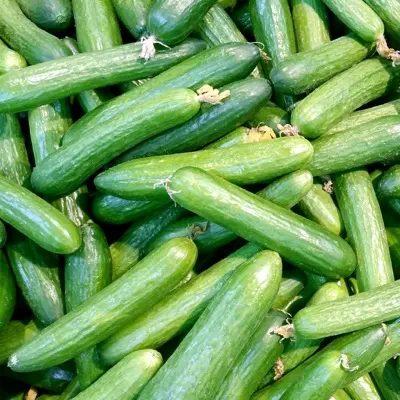
A prolific hybrid specifically bred for pickling that produces an abundance of perfectly sized, crisp cucumbers ideal for homemade pickles. The compact, disease-resistant plants are perfect for small gardens and containers while delivering consistently uniform fruits with excellent crunch retention. This variety maintains its firm texture even after processing, making it the gold standard for pickle enthusiasts.
Harvest
52-55d
Days to harvest
Sun
Full sun
Zones
2–11
USDA hardiness
Height
8-18 inches
Planting Timeline
Showing dates for Homemade Pickles in USDA Zone 7
All Zone 7 cucumber →Zone Map
Click a state to update dates
Homemade Pickles · Zones 2–11
Growing Details
Succession Planting
For pickling quantity, succession-sow every 21 days from the last frost through about July 15 in zone 7. A spring sowing in early May and a second around June 1 will keep you in pickling-size fruit (3-5 inches) from early July into September, since each planting peaks hard for about three weeks then production tails off as cucumber beetles and powdery mildew catch up.
Stop sowing once daytime highs sit consistently above 90°F — germination drops and the seedlings get hammered by flea beetles before they can establish. If you want fall pickles, time one last sowing for roughly 60 days before your first expected frost.
Complete Growing Guide
With a maturity window of just 52–55 days, this hybrid rewards early planting and frequent harvesting—pick fruits at 6–8 inches to maintain the plant's prolific output and prevent oversized specimens that lose their signature crunch. Plant in full sun with consistently moist soil, as the compact growth habit concentrates energy into fruit production rather than sprawling vines, making it less forgiving of drought stress than indeterminate types. While disease resistance is a key breeding trait, watch for powdery mildew in humid conditions by ensuring good air circulation around the dense foliage. This cultivar has minimal tendency to bolt or stretch when temperatures rise, but excessive heat above 85°F can reduce fruit set, so afternoon shade in hot climates helps maintain productivity. The practical key to success: stagger plantings every two weeks through midsummer to ensure a continuous pickle-sized harvest rather than dealing with a single glut of overripe fruits.
Light: Full sun (6 or more hours of direct sunlight a day). Soil: High Organic Matter. Soil pH: Neutral (6.0-8.0). Drainage: Good Drainage, Moist. Height: 0 ft. 8 in. - 1 ft. 6 in.. Spread: 3 ft. 0 in. - 8 ft. 0 in.. Spacing: 12 inches-3 feet. Growth rate: Rapid. Maintenance: Medium. Propagation: Seed. Regions: Coastal, Mountains, Piedmont.
Harvesting
Harvest Homemade Pickles when fruits reach 4-6 inches long with a deep green color and firm, slightly bumpy skin texture that yields gently to pressure. These compact plants produce prolifically, so plan for continuous harvesting every 2-3 days rather than a single picking to encourage ongoing fruit production throughout the season. Pick in the early morning when cucumbers are coolest and crispest, as this maximizes the firm texture and crunch retention that make this variety exceptional for pickling. Avoid allowing fruits to yellow or grow oversized, as they quickly become seedy and lose the ideal density for processing.
The "vegetable" is botanically a fruit– it is a pepo, a berry with a hard rind. Long and cylindrical, starting out prickly when young and smoothing out to a bumpy surface as it matures. Length and girth can vary based on cultivar and culinary purpose but grow at least 3 in long. Some varieties are bred to be seedless.
Color: Green. Type: Berry. Length: > 3 inches. Width: 1-3 inches.
Garden value: Edible, Showy
Harvest time: Summer
Edibility: Fruits are commonly eaten raw or pickled. Fresh cucumbers last in the fridge for about a week.
Storage & Preservation
Store freshly harvested Homemade Pickles cucumbers in the refrigerator for up to one week, wrapped in damp paper towels inside a perforated plastic bag to maintain humidity while preventing condensation buildup. For best pickling quality, process cucumbers within 24 hours of harvest when their cellular structure is still firm and dense.
This variety excels at traditional cucumber pickling methods—both quick refrigerator pickles and fermented dill pickles. The firm flesh maintains excellent crunch through the pickling process, whether using vinegar-based brines or traditional salt-brine fermentation. Slice into spears or rounds for bread-and-butter pickles, or pickle whole for gherkin-style preserves.
Freezing is not recommended for this variety unless pureed for cold soups, as the high water content creates mushy texture when thawed. However, these cucumbers make excellent relishes and chutneys when diced and processed in boiling water baths according to tested recipes.
History & Origin
Documentation regarding the specific origins of the 'Homemade Pickles' cucumber variety is limited, though its development reflects the broader breeding focus on compact, disease-resistant pickling cultivars that emerged throughout the late 20th century. As a hybrid specifically engineered for small-space gardening and pickling purposes, it likely descends from established pickling lines such as 'Boston Pickling' or similar heirloom germplasm, combined with modern breeding selections for determinate growth habit and uniform fruit characteristics. The variety's emphasis on crunch retention and disease resistance suggests incorporation of contemporary horticultural breeding practices, though the exact breeder, seed company introduction date, and geographic origin remain undocumented in widely available sources.
Origin: Himalaya to Northern Thailand
Advantages
- +Bred specifically for pickling with consistently uniform fruit size
- +Maintains crisp texture and excellent crunch even after processing
- +Compact plants thrive in small gardens and container growing
- +Prolific hybrid produces abundance of perfectly-sized cucumbers quickly
- +Disease-resistant varieties reduce common cucumber garden problems
Considerations
- -Susceptible to bacterial wilt transmitted by cucumber beetles
- -Vulnerable to angular leaf spot in humid growing conditions
- -Requires regular pest management to prevent cucumber beetle damage
Companion Plants
Radishes are the one I never skip with cucumbers. Sow them in the same hill a week before the cuke seeds — they break the soil crust, mature in 25-30 days, and a few left to bolt seem to confuse cucumber beetles (Acalymma vittatum) enough to take some pressure off. Nasturtiums and marigolds pull aphids and act as a trap crop on the edges of the bed. Dill, once it flowers, brings in the hoverflies and parasitic wasps that clean up aphid colonies. Corn and sunflowers do double duty by giving the vines something to climb — a 6-foot sunflower stalk is a free trellis, and the shade is light enough that the cukes don't sulk.
The aromatic herbs — oregano, thyme, sage — aren't really toxic to cucumbers, they just want drier feet and lean soil, while a Homemade Pickles vine wants 1 to 1.5 inches of water a week and steady fertility. You'll either drown the herbs or starve the cucumbers. Fennel is the real problem child; it's mildly allelopathic and inhibits a long list of garden vegetables. Plant it in its own corner or skip it.
Plant Together
Radishes
Repel cucumber beetles and improve soil structure with their taproot
Marigolds
Deter cucumber beetles, aphids, and nematodes with their strong scent
Nasturtiums
Act as trap crop for cucumber beetles and aphids, repel squash bugs
Beans
Fix nitrogen in soil to benefit heavy-feeding cucumbers
Corn
Provides natural trellis support and shade for cucumber vines
Sunflowers
Offer vertical support and attract beneficial predatory insects
Dill
Attracts beneficial wasps that prey on cucumber pests
Lettuce
Benefits from cucumber's shade while maximizing garden space
Keep Apart
Aromatic Herbs (Oregano, Thyme)
Strong oils can inhibit cucumber germination and growth
Sage
Allelopathic compounds suppress cucumber growth and development
Fennel
Inhibits growth of cucumbers through allelopathic root secretions
Nutrition Facts
Per 100g serving. % Daily Value based on 2,000 calorie diet. Source: USDA FoodData Central (FDC #169225)
Pests & Disease Resistance
Resistance
Resistant to cucumber mosaic virus, downy mildew, and powdery mildew
Common Pests
Cucumber beetles, aphids, squash vine borer
Diseases
Bacterial wilt, angular leaf spot
Troubleshooting Homemade Pickles
What you'll see, why it happens, and what to do about it.
Half the patch wilting in mid-June, lower leaves with tan spots between the veins and scorched-looking edges, roots lumpy when you pull a plant
Likely Causes
- Root-knot nematode (Meloidogyne spp.) — the lumpy roots are the giveaway, and NC State's IPM case study walks through exactly this pattern in cucumbers
- Wilt worsens because damaged roots can't keep up with water demand on hot days
What to Do
- 1.Pull and bag the affected plants — don't compost the roots
- 2.Rotate that patch out of cucurbits for at least 2-3 years; NC State notes there are no salad-cucumber varieties with nematode resistance and no chemical controls for the home garden
- 3.Try resistant tomatoes or sweet corn in that bed next year, and grow a few cukes in containers with fresh potting mix as a backup
- 4.Solarize the bed with clear plastic for 6-8 weeks in midsummer to knock back populations
Fruit tastes bitter, especially near the stem end and just under the skin
Likely Causes
- Cucurbitacin buildup from stress — uneven watering, heat above 90°F, or low soil fertility (per NC State's vegetable gardening FAQ)
- Poor pollination producing misshapen fruit, which also runs bitter
- Fruit left on the vine too long past the 3-5 inch pickling size
What to Do
- 1.Water deeply twice a week to deliver a steady 1-1.5 inches; mulch with straw to even out soil moisture
- 2.Side-dress with compost or a balanced fertilizer when vines start to run
- 3.Pick every 1-2 days once production starts — overripe cukes turn bitter and also shut down new fruit set
- 4.Peel and trim the stem end before eating or pickling; most of the cucurbitacin sits in the skin
Frequently Asked Questions
How long does Homemade Pickles cucumber take to grow?▼
Can you grow Homemade Pickles cucumbers in containers?▼
Is Homemade Pickles cucumber good for beginners?▼
What's the difference between Homemade Pickles and regular cucumbers for pickling?▼
When should I plant Homemade Pickles cucumber seeds?▼
How often should I harvest Homemade Pickles cucumbers?▼
Zone-by-Zone Planting Calendar
| Zone | Indoor Start | Transplant | Direct Sow | Harvest |
|---|---|---|---|---|
| Zone 1 | June – June | July – August | July – September | September – August |
| Zone 2 | May – June | July – July | July – August | September – September |
| Zone 11 | January – January | February – February | February – March | April – May |
| Zone 12 | January – January | February – February | February – March | April – May |
| Zone 13 | January – January | February – February | February – March | April – May |
| Zone 3 | May – May | June – July | June – August | August – October |
| Zone 4 | April – May | June – June | June – July | August – October |
| Zone 5 | April – April | May – June | May – July | August – September |
| Zone 6 | April – April | May – June | May – July | July – September |
| Zone 7 | March – April | May – May | May – June | July – August |
| Zone 8 | March – March | April – May | April – June | June – August |
| Zone 9 | February – February | March – April | March – May | May – July |
| Zone 10 | January – February | March – March | March – April | May – June |
Growing Guides from Wind River Greens
Sources & References
External authority sources used in compiling this guide.
See the Methodology page for how this data is sourced, what's AI-assisted, and known limitations.