Tendergreen Bush Bean
Phaseolus vulgaris 'Tendergreen'
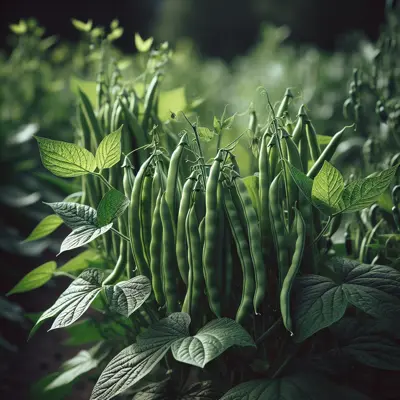
A time-tested heirloom that has been delighting gardeners since 1925 with its exceptional tenderness and flavor. These medium-green, stringless pods are incredibly productive and maintain their quality even when picked large. Known for its reliability and adaptability, Tendergreen is the perfect choice for beginning gardeners seeking a foolproof, delicious bean variety.
Harvest
53-56d
Days to harvest
Sun
Full sun
Zones
2–11
USDA hardiness
Difficulty
Easy
Planting Timeline
Showing dates for Tendergreen Bush Bean in USDA Zone 7
All Zone 7 bean →Zone Map
Click a state to update dates
Tendergreen Bush Bean · Zones 2–11
Growing Details
Succession Planting
Direct sow Tendergreen every 14–16 days from your last frost date through early July in zone 7. The UGA Vegetable Garden Calendar specifically flags snap beans as a crop to keep re-sowing through May, and a third sowing in early June will still clear 53–56 days to harvest before the worst heat arrives. Stop sowing once daytime highs are consistently above 90°F — bean flowers drop without setting pods in that range, and you'll have almost nothing to show for the bed space.
For a fall run, count back 56 days from your first expected frost (mid-October in zone 7) and sow around mid-August. Germination stalls below 60°F soil temperature, so don't push it past early September. Two or three timed successions will produce a steadier harvest window than one large planting all at once.
Complete Growing Guide
Tendergreen Bush Bean thrives when direct sown into warm soil after all danger of frost has passed. Unlike many varieties that tolerate cool conditions, this cultivar germinates most reliably when soil temperatures reach at least 60°F, with ideal germination occurring at 70°F or warmer. In most regions, this means waiting until one to two weeks after your last spring frost date. There's no advantage to starting these seeds indoors; direct sowing eliminates transplant shock and the beans will catch up quickly, reaching harvest in just 53-56 days.
Prepare your garden bed by working in compost or well-rotted manure to create loose, well-draining soil rich in organic matter. Tendergreen performs best in slightly acidic to neutral soil with a pH between 6.0 and 7.0. Sow seeds one inch deep, spacing them two to three inches apart in rows that are eighteen to twenty-four inches apart. Once seedlings emerge, thin them to four to six inches apart to ensure adequate air circulation and room for the compact bush plants to flourish. Crowding reduces yields and invites disease problems that this variety, while generally reliable, cannot easily overcome.
Water deeply and consistently throughout the season, aiming for one to one-and-a-half inches per week. Tendergreen is somewhat drought-tolerant compared to climbing varieties, but inconsistent watering causes pod quality to suffer and invites stress-related pest infestations. Water at soil level in the early morning to keep foliage dry. Feed lightly with a balanced, low-nitrogen fertilizer once plants begin flowering, as excess nitrogen promotes leafy growth at the expense of pod production. Most gardeners find that a single application mid-season is sufficient if your soil was properly prepared.
Watch vigilantly for Mexican bean beetles, which are particularly attracted to this variety. Hand-pick beetles and yellow egg clusters from leaf undersides daily in early morning. Aphids and leafhoppers can also cause significant damage; spray with neem oil if populations build. For disease prevention, avoid overhead watering, ensure good air circulation, and remove any plants showing signs of anthracnose (brown sunken spots on pods) or mosaic virus (mottled, distorted leaves). Bacterial blight and powdery mildew can develop in humid conditions, so spacing plants properly and choosing a well-ventilated garden location are your best defenses.
Tendergreen's most notable strength is maintaining tenderness and flavor even when pods mature larger than typical. However, many gardeners make the critical mistake of allowing pods to overmature on the plant, reducing overall productivity and signaling the plant to stop flowering. Pick pods regularly when they reach six to eight inches long, even if they appear larger. Consistent harvesting every two to three days encourages the plant to produce continuously throughout the season. Succession planting every two weeks until mid-summer extends your harvest well into fall.
Harvesting
Harvest Tendergreen pods when they reach 5-6 inches long and display a vibrant medium-green color with a slight glossy sheen, ensuring they snap cleanly when bent—a reliable indicator of peak tenderness for this variety. While these beans can tolerate larger size without becoming tough, picking at this stage delivers optimal flavor and texture. For maximum productivity, adopt a continuous harvest pattern by picking pods every 2-3 days rather than waiting for a single large harvest; this encourages the plant to produce more flowers and extend the season considerably. A crucial timing tip: pick in early morning when pods are fully hydrated and crisp, as afternoon harvesting yields slightly softer beans that don't snap as satisfyingly.
The boat-shaped seed pods are bilaterally symmetrical and can be green, yellow, white, or purple at maturity. There is a wide variety of color and shape choices among cultivars.
Color: Gold/Yellow, Green, Purple/Lavender, White. Type: Legume. Length: > 3 inches. Width: < 1 inch.
Garden value: Edible, Good Dried
Harvest time: Fall, Summer
Storage & Preservation
Fresh Tendergreen beans store best in the refrigerator crisper drawer in a perforated plastic bag, maintaining quality for 5-7 days. Avoid washing before storage—clean just before use to prevent moisture-related decay. For optimal freshness, harvest in the morning and refrigerate immediately.
For longer preservation, blanch whole pods in boiling water for 2-3 minutes, plunge into ice water, drain thoroughly, and freeze in airtight containers for up to 8 months. Tendergreen's excellent texture retention makes it ideal for freezing.
For canning, use a pressure canner following USDA guidelines—process pint jars for 20 minutes at 10 pounds pressure (adjust for altitude). These beans also pickle beautifully using a standard dilly bean recipe. Avoid dehydrating as bush beans don't dry well compared to shell bean varieties.
History & Origin
Tendergreen Bush Bean emerged as a commercial cultivar in the early twentieth century, introduced during an era when seed companies were actively selecting for superior eating quality and disease resistance in common beans. While comprehensive documentation of its original breeder remains sparse, the variety bears the hallmarks of systematic selection work typical of major American seed houses in the 1920s. Its introduction by 1925 places it within a lineage of improved Phaseolus vulgaris selections that prioritized stringless pods and tender texture—traits increasingly valued by home gardeners of that interwar period. The variety's lasting presence in seed catalogs suggests it successfully combined reliable production with culinary appeal, becoming an enduring heirloom through continued cultivation rather than detailed historical records.
Origin: Tropical America
Advantages
- +Exceptional tenderness and mild, sweet flavor make Tendergreen superior to many modern varieties.
- +Stringless pods remain tender even when allowed to grow larger than usual.
- +Fast maturity at 53-56 days provides quick harvests for impatient gardeners.
- +Extremely reliable and adaptable variety that thrives in diverse growing conditions.
- +Perfect beginner bean with foolproof growing requirements and minimal special care needs.
Considerations
- -Susceptible to multiple diseases including bacterial blight, anthracnose, and mosaic virus.
- -Mexican bean beetles and aphids frequently infest Tendergreen crops, requiring pest management.
- -Heirloom status means seeds require annual saving or purchasing from specialty suppliers.
Companion Plants
Summer savory is the companion most bean growers skip, and it's worth reconsidering — it's one of the older folk claims against Mexican bean beetle (Epilachna varivestis) that actually gets repeated by growers who've tried it, not just by seed catalogs. Marigolds (Tagetes spp.) pull in predatory wasps that work through aphid and leafhopper populations, and their scent does appear to confuse soft-bodied pests at close range. Radishes break soil compaction at a shallower depth than bean roots fix nitrogen, so they're doing genuinely different jobs without competing for the same resources. Carrots slot in for the same reason — root zones don't overlap, no nutrient rivalry.
Onions and garlic are the real problem. The sulfur compounds alliums produce interfere with the Rhizobium bacteria living in bean root nodules — the same bacteria responsible for the nitrogen fixation that makes growing legumes worthwhile in the first place. Planting them together undercuts the main agronomic reason you'd grow Phaseolus vulgaris in a rotation. Fennel is broadly suppressive to most vegetables through allelopathic root exudates, and it has no business in a mixed bed — grow it in a container if you want it at all.
Plant Together
Marigold
Repels Mexican bean beetles and aphids, reduces nematode populations
Nasturtium
Acts as trap crop for aphids and cucumber beetles, repels bean beetles
Carrots
Root vegetables don't compete for nutrients, carrots help loosen soil
Radishes
Quick-growing crop that breaks up soil and deters bean beetles
Corn
Provides natural support structure for climbing varieties, beans fix nitrogen for corn
Catnip
Strong scent repels aphids, flea beetles, and squash bugs
Summer Savory
Repels bean beetles and aphids, may improve bean flavor when planted nearby
Cucumber
Compatible growing requirements, beans provide nitrogen that cucumbers need
Keep Apart
Onions
Inhibits bean growth and nitrogen fixation through root compounds
Garlic
Stunts bean growth and interferes with beneficial rhizobia bacteria
Fennel
Produces allelopathic compounds that inhibit bean germination and growth
Sunflowers
Allelopathic effects suppress bean growth, competes heavily for nutrients
Nutrition Facts
Per 100g serving. % Daily Value based on 2,000 calorie diet. Source: USDA FoodData Central (FDC #2346400)
Pests & Disease Resistance
Resistance
Moderate resistance to common bean diseases
Common Pests
Mexican bean beetle, aphids, leafhoppers, thrips
Diseases
Bacterial blight, anthracnose, mosaic virus, powdery mildew
Troubleshooting Tendergreen Bush Bean
What you'll see, why it happens, and what to do about it.
Leaves with ragged chunks missing, small yellow-and-black spotted insects visible on undersides, plants look generally beat up around weeks 5–7
Likely Causes
- Mexican bean beetle (Epilachna varivestis) — larvae and adults both feed on leaf tissue, skeletonizing leaves from the underside
- Bean leaf beetle (Cerotoma trifurcata) — leaves round holes, active from first warm weeks onward
What to Do
- 1.Hand-pick egg clusters (yellow, football-shaped, on leaf undersides) and drop them in soapy water
- 2.Apply spinosad or pyrethrin if populations are heavy — both are labeled for bean beetles
- 3.Rotate beans out of that bed for at least 2 seasons; adult beetles overwinter in nearby soil and debris, per NC State Extension's IPM guidance
Water-soaked spots on leaves and pods that turn brown and papery; pods may show brick-red or sunken lesions
Likely Causes
- Bacterial blight (Pseudomonas syringae pv. phaseolicola or Xanthomonas axonopodis pv. phaseoli) — spreads fast in wet, humid conditions
- Anthracnose (Colletotrichum lindemuthianum) — favors overhead watering and rainy spells, spreads on infected seed
What to Do
- 1.Stop any overhead irrigation immediately — switch to drip or soaker hose and keep it to 1 inch per week
- 2.Pull and trash (don't compost) heavily infected plants to slow spread
- 3.Start next season with certified disease-free seed; don't save seed from an infected crop
White powdery coating on upper leaf surfaces, usually showing up mid-season after plants have been in the ground 40+ days
Likely Causes
- Powdery mildew (Erysiphe polygoni) — airborne spores, thrives when days are warm and nights cool, especially in crowded plantings with poor airflow
What to Do
- 1.Thin plants to the recommended 4–6 inch spacing if you skipped that step at planting — crowding makes this significantly worse
- 2.Spray affected foliage with diluted neem oil (2 tsp per quart of water) every 7 days until symptoms stop spreading
- 3.Water in the morning, not late afternoon — wet foliage sitting overnight gives Erysiphe exactly what it needs
Frequently Asked Questions
How long does Tendergreen bush bean take to grow?▼
Can you grow Tendergreen beans in containers?▼
Is Tendergreen bush bean good for beginners?▼
What does Tendergreen bush bean taste like?▼
When should I plant Tendergreen bush beans?▼
How often should I water Tendergreen bush beans?▼
Zone-by-Zone Planting Calendar
| Zone | Indoor Start | Transplant | Direct Sow | Harvest |
|---|---|---|---|---|
| Zone 1 | — | — | July – August | September – August |
| Zone 2 | — | — | June – August | September – September |
| Zone 11 | — | — | January – March | April – May |
| Zone 12 | — | — | January – March | April – May |
| Zone 13 | — | — | January – March | April – May |
| Zone 3 | — | — | June – July | August – October |
| Zone 4 | — | — | June – July | August – October |
| Zone 5 | — | — | May – June | August – September |
| Zone 6 | — | — | May – June | July – September |
| Zone 7 | — | — | April – June | July – August |
| Zone 8 | — | — | April – May | June – August |
| Zone 9 | — | — | March – April | May – July |
| Zone 10 | — | — | February – April | May – June |
Growing Guides from Wind River Greens
Sources & References
External authority sources used in compiling this guide.
See the Methodology page for how this data is sourced, what's AI-assisted, and known limitations.