Royal Burgundy Bush Bean
Phaseolus vulgaris 'Royal Burgundy'
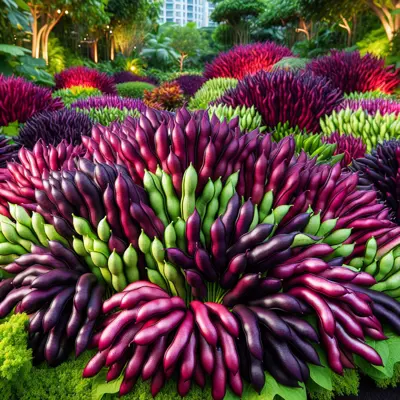
A stunning ornamental edible that produces deep purple pods on compact plants, making harvest incredibly easy since the colorful beans stand out against green foliage. These tender, stringless pods turn bright green when cooked, offering the perfect combination of garden beauty and excellent eating quality. An All-America Selections winner that brings both function and dramatic flair to any vegetable garden.
Harvest
51-55d
Days to harvest
Sun
Full sun
Zones
2–11
USDA hardiness
Difficulty
Easy
Planting Timeline
Showing dates for Royal Burgundy Bush Bean in USDA Zone 7
All Zone 7 bean →Zone Map
Click a state to update dates
Royal Burgundy Bush Bean · Zones 2–11
Growing Details
Succession Planting
Direct sow Royal Burgundy every 10–14 days from your last frost date through early July in zone 7 (roughly April 1 through July 4). Each planting reaches harvest around 51–55 days later, so staggering by two weeks keeps pods coming in steadily rather than dumping a single two-week glut on you. The UGA Vegetable Garden Calendar notes a third bean planting in May as standard practice, which lines up with this cadence.
Stop sowing once daytime highs are reliably above 90°F — bean flowers drop in that heat and pod set falls apart. For a fall run, count back 55 days from your first expected frost (around mid-October in zone 7) and put seed in the ground in mid-August. Germination in warm August soil is fast, but seedlings dry out quickly, so check moisture daily until they're up and growing.
Complete Growing Guide
Royal Burgundy Bush Bean is best started by direct sowing seeds into the garden rather than starting indoors, as beans prefer not to be transplanted and can suffer root damage. Wait until after your last spring frost date when soil temperatures have reached at least 60°F, ideally 70°F or warmer, for optimal germination. Seeds sown into cold soil may rot before sprouting. Plant seeds about one inch deep and two to three inches apart in rows spaced twelve inches apart. The compact bush habit of Royal Burgundy means you can plant them closer together than pole varieties, making them ideal for container gardens or small spaces.
Prepare your soil with compost or aged manure before planting, aiming for a loose, well-draining medium with a pH between 6.0 and 7.0. Beans are nitrogen-fixing plants, so they don't require heavy feeding, but initial soil enrichment helps establish strong plants. Press soil firmly around each seed to ensure good contact, then water gently but thoroughly.
Water consistently throughout the growing season, providing about one inch per week through rain or irrigation. Avoid overhead watering, which can promote fungal diseases—instead, water at soil level in early morning. Once plants are established and flowering, maintain even moisture; inconsistent watering can lead to pod drop and poor pod development. During the 51 to 55 days to harvest, monitoring soil moisture becomes especially critical in the final weeks as pods are forming.
Feed lightly with a balanced fertilizer once plants begin flowering if your soil isn't particularly rich. Avoid high-nitrogen fertilizers, which encourage excessive leaf growth at the expense of pod production. Royal Burgundy's ornamental purple pods can be harvested when they reach four to six inches long—at this stage they're most tender and the striking color is most dramatic against the foliage.
The deep purple pods of Royal Burgundy actually offer a hidden advantage against pests: bean beetles and other insects are less attracted to the darker pigmentation compared to green varieties. However, watch vigilantly for aphids and spider mites, which can hide on the undersides of leaves and quickly establish colonies. Inspect plants weekly, especially during warm spells. Flea beetles can damage seedlings, so protect young plants with row covers until they're established.
Fungal diseases pose the greatest threat to beans in humid climates. Bacterial blight, anthracnose, and rust thrive in wet conditions, so spacing plants twelve inches apart ensures adequate air circulation. Never work among wet plants, as this spreads bacterial diseases. Remove any spotted or discolored leaves immediately and dispose of them away from the garden.
One mistake gardeners make with Royal Burgundy is harvesting pods too late. These beans look dramatic on the plant, tempting gardeners to leave them longer for visual effect. However, allowing pods to mature fully toughens them considerably and slows production. Harvest regularly every two to three days at the tender stage to keep plants producing prolifically and maintain the best eating quality.
Harvesting
Harvest Royal Burgundy pods when they reach 4–6 inches long and maintain their deep purple color with a slight give when gently squeezed, but before they become overly mature and tough. The vibrant purple hue against green foliage makes these beans exceptionally easy to spot on the plant, eliminating guesswork about readiness. For maximum tenderness and yield, practice continuous harvesting every 2–3 days rather than waiting for a single heavy pick, as removing mature pods encourages the plant to produce more flowers. Begin checking plants around day 50 by feeling the pod texture—ripe pods should snap cleanly when bent, signaling peak eating quality at their sweetest.
The boat-shaped seed pods are bilaterally symmetrical and can be green, yellow, white, or purple at maturity. There is a wide variety of color and shape choices among cultivars.
Color: Gold/Yellow, Green, Purple/Lavender, White. Type: Legume. Length: > 3 inches. Width: < 1 inch.
Garden value: Edible, Good Dried
Harvest time: Fall, Summer
Storage & Preservation
Fresh Royal Burgundy beans maintain peak quality for 5-7 days when stored unwashed in perforated plastic bags in the refrigerator crisper drawer. Keep them at 40-45°F with high humidity to prevent wilting and maintain their crisp texture.
For freezing, blanch whole pods in boiling water for 3 minutes, then immediately plunge into ice water. Drain thoroughly and freeze in portions for easy use. The dramatic purple color will fade to green during blanching, just as it does when cooking fresh.
These tender beans also pickle beautifully—their firm texture holds up well to quick refrigerator pickles made with equal parts vinegar and water plus salt and spices. The purple pods create an attractive pickled product that maintains good crunch for several weeks. For longer storage, pressure can using standard green bean processing times and pressures, though the color will change from purple to traditional green during processing.
History & Origin
Royal Burgundy Bush Bean emerged from the broader cultivation of purple-podded bean varieties within Phaseolus vulgaris, a species domesticated in Mesoamerica thousands of years ago. While specific breeder attribution and introduction year remain undocumented in readily available sources, the variety reflects decades of ornamental vegetable breeding that gained momentum during the late 20th century. Its All-America Selections award indicates recognition by a prestigious North American evaluation program, suggesting it was developed by a commercial seed company or breeding program prioritizing both aesthetic appeal and culinary quality. The variety belongs to a lineage of purple bush beans selected for compact growth habit, pod color intensity, and the striking characteristic of turning green upon cooking—traits refined through successive generations of deliberate selection.
Origin: Tropical America
Advantages
- +Deep purple pods are visually striking and easy to spot during harvest
- +Compact bush plants require minimal space and no trellising or staking
- +Tender, stringless pods deliver excellent sweet flavor when cooked
- +All-America Selections winner proves superior ornamental and culinary performance
- +Fast maturity at 51-55 days provides quick gratification for gardeners
Considerations
- -Vulnerable to multiple pests including bean beetles and spider mites
- -Susceptible to bacterial blight and anthracnose fungal diseases
- -Purple color disappears when cooked, losing the ornamental appeal factor
Companion Plants
Marigolds (French marigolds, Tagetes patula, specifically) are worth planting along the edges of your bean bed — they deter aphids and bean beetles through scent and pull in predatory insects. Nasturtiums work as a trap crop: aphids pile onto them instead of your beans, so let them get colonized and then cut them back hard. Radishes and carrots make decent row-mates because their root depth doesn't compete with beans' shallow feeder roots, and radishes break up compacted surface soil as a side benefit. Corn is a legitimate pairing — beans fix nitrogen at the roots via Rhizobium bacteria, and that nitrogen feeds the corn over time.
Onions, garlic, and fennel are the ones to keep away. Alliums inhibit those same Rhizobium bacteria that make beans useful to your soil in the first place — put onions next door and you're actively undercutting the nitrogen-fixing benefit. Fennel suppresses most vegetables through allelopathy and has no business in a mixed bed; give it its own isolated corner.
Plant Together
Marigold
Repels Mexican bean beetles and aphids, reduces nematode populations
Nasturtium
Acts as trap crop for aphids and cucumber beetles, deters bean beetles
Carrot
Loosens soil for bean roots, beans provide nitrogen that carrots utilize
Corn
Provides natural support structure, beans fix nitrogen for corn's benefit
Summer Squash
Large leaves provide ground cover and moisture retention, part of Three Sisters planting
Cucumber
Compatible growth habits and similar water needs, beans provide nitrogen
Lettuce
Grows well in partial shade of bean plants, efficient use of garden space
Radish
Quick harvest before beans mature, helps break up soil for bean roots
Keep Apart
Onion
Inhibits bean growth and nitrogen fixation through root compounds
Garlic
Stunts bean growth and interferes with beneficial rhizobia bacteria
Fennel
Inhibits growth of most garden plants including beans through allelopathic compounds
Nutrition Facts
Per 100g serving. % Daily Value based on 2,000 calorie diet. Source: USDA FoodData Central (FDC #2346400)
Pests & Disease Resistance
Resistance
Good disease tolerance, particularly to bean mosaic virus
Common Pests
Bean beetles, aphids, spider mites, flea beetles
Diseases
Bacterial blight, anthracnose, white mold, rust
Troubleshooting Royal Burgundy Bush Bean
What you'll see, why it happens, and what to do about it.
Leaves with ragged chunks missing, sometimes with small round shot holes, noticed around weeks 3–5
Likely Causes
- Mexican bean beetle (Epilachna varivestis) — larvae skeletonize leaves from the underside, adults chew through
- Bean leaf beetle (Cerotoma trifurcata) — round shot-hole feeding, flagged by UGA Extension as one of the top 10 bean pests to watch for
What to Do
- 1.Flip leaves and hand-pick orange egg clusters and soft yellow larvae; drop them in soapy water
- 2.Spray neem oil or spinosad in the early morning — reapply every 7 days if pressure continues
- 3.Row cover at direct sow keeps adults off entirely; bush beans don't need pollinator access for pod set, so you can leave it on through harvest
Water-soaked or greasy-looking spots on leaves and pods that turn brown and papery, appearing after wet weather
Likely Causes
- Bacterial blight (Pseudomonas syringae pv. phaseolicola or Xanthomonas axonopodis pv. phaseoli) — spreads fast in rain splash and overhead irrigation
- Anthracnose (Colletotrichum lindemuthianum) — similar lesions but with dark, sunken craters on pods specifically
What to Do
- 1.Stop working in the bed when foliage is wet — you'll move the pathogen from plant to plant on your hands and tools
- 2.Pull and trash (don't compost) any heavily infected plants
- 3.NC State Extension's IPM guidance emphasizes rotation: don't plant beans in the same bed more than once every 2–3 years, especially if you've had blight before
Stippled, bronzed, or silvery leaves — often with fine webbing on the undersides — during hot, dry stretches
Likely Causes
- Two-spotted spider mite (Tetranychus urticae) — populations explode above 85°F with low humidity
- Drought stress weakening the plant's defenses, making mite damage worse and faster
What to Do
- 1.Blast the undersides of leaves with a strong jet of water from the hose — does more than you'd expect
- 2.Keep soil moisture consistent at 1 inch per week; plants stressed for water get hit harder and recover slower
- 3.If the infestation is heavy, apply insecticidal soap or a miticide labeled for vegetables; repeat at 5–7 day intervals since soap doesn't kill eggs
Frequently Asked Questions
How long does Royal Burgundy bush bean take to grow?▼
Can you grow Royal Burgundy beans in containers?▼
Do Royal Burgundy beans stay purple when cooked?▼
Are Royal Burgundy beans good for beginners?▼
When should I plant Royal Burgundy beans?▼
What do Royal Burgundy beans taste like?▼
Zone-by-Zone Planting Calendar
| Zone | Indoor Start | Transplant | Direct Sow | Harvest |
|---|---|---|---|---|
| Zone 1 | — | — | July – August | September – August |
| Zone 2 | — | — | June – August | September – September |
| Zone 11 | — | — | January – March | April – May |
| Zone 12 | — | — | January – March | April – May |
| Zone 13 | — | — | January – March | April – May |
| Zone 3 | — | — | June – July | August – October |
| Zone 4 | — | — | June – July | August – October |
| Zone 5 | — | — | May – June | August – September |
| Zone 6 | — | — | May – June | July – September |
| Zone 7 | — | — | April – June | July – August |
| Zone 8 | — | — | April – May | June – August |
| Zone 9 | — | — | March – April | May – July |
| Zone 10 | — | — | February – April | May – June |
Growing Guides from Wind River Greens
Sources & References
External authority sources used in compiling this guide.
See the Methodology page for how this data is sourced, what's AI-assisted, and known limitations.