Romano Italian Bush Bean
Phaseolus vulgaris 'Romano'
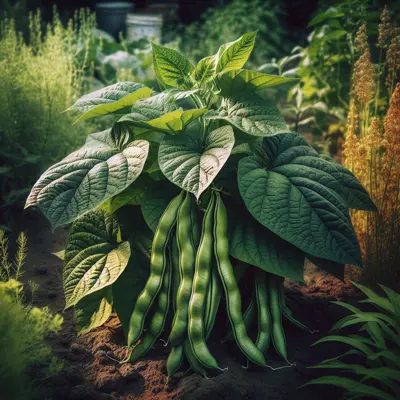
A classic Italian heirloom prized by chefs and home gardeners for its exceptionally wide, flat pods and rich, intense flavor. These meaty beans have a distinctly different taste and texture from regular green beans, with a more substantial bite and earthy flavor that holds up beautifully to cooking. Popular in Mediterranean cuisine, Romano beans are perfect for gardeners who want something special beyond ordinary green beans.
Harvest
50-60d
Days to harvest
Sun
Full sun
Zones
2–11
USDA hardiness
Difficulty
Easy
Planting Timeline
Showing dates for Romano Italian Bush Bean in USDA Zone 7
All Zone 7 bean →Zone Map
Click a state to update dates
Romano Italian Bush Bean · Zones 2–11
Growing Details
Succession Planting
Direct sow Romano every 14–18 days from April 1 through mid-June in zone 7. Each sowing gives you a concentrated 10–14 day harvest window at 50–60 days out, so staggering keeps beans on the table rather than everything hitting at once. The UGA Vegetable Garden Calendar recommends a third planting in May as worthwhile — a late-May sowing will come in around late July, just ahead of the worst summer heat.
Stop sowing once daytime highs are consistently above 90°F; bean flowers drop without setting pods in that range, and germination turns unreliable when soil temps climb past 95°F. A late-summer planting in mid-August is possible for a fall run, but check the math first — you need 50–60 frost-free days, so count back from your expected first frost date and add a few days of buffer.
Complete Growing Guide
Romano Italian Bush beans thrive when direct sown into the garden after all danger of frost has passed and soil temperatures reach at least 60°F, ideally 70°F or warmer. Unlike some bean varieties that tolerate cool soil, Romanos germinate best in genuinely warm conditions, so patience pays off—waiting an extra week or two for soil to warm prevents seed rot and ensures stronger germination. You can start seeds indoors 3–4 weeks before your last spring frost if you prefer, but direct sowing is simpler and the plants typically catch up quickly once transplanted into warm garden soil.
Space Romano Italian Bush Bean plants 4 to 6 inches apart in rows spaced 18 to 24 inches apart. Sow seeds about 1.5 inches deep in loose, well-draining soil enriched with compost or aged manure. These beans appreciate soil with good organic matter content, which supports the robust growth needed to produce those characteristically wide, meaty pods. Test your soil pH; Romanos prefer slightly acidic to neutral conditions between 6.0 and 7.0.
Water consistently and deeply, aiming for about 1 inch per week through drip irrigation or soaking at the base rather than overhead watering, which can invite disease. Once plants are established, feed with a balanced fertilizer every 3 to 4 weeks, or use a legume-specific formula to avoid over-nitrogen, which promotes excessive foliage at the expense of pod production. The wide pods this variety is famous for demand steady moisture and nutrients to develop their substantial size and flavor.
Watch vigilantly for Mexican bean beetles and bean leaf beetles, which find Romano beans particularly appealing. Hand-pick beetles and their yellow egg clusters early and often. Aphids cluster on new growth; spray with insecticidal soap if populations explode. Bacterial blight and anthracnose are serious concerns in wet conditions, so never water overhead and ensure good air circulation around plants. Remove infected leaves promptly and avoid working in wet foliage. White mold thrives in crowded, humid conditions, so resist the urge to space plants too close together, even though it might seem efficient.
Succession plant Romanos every 2 to 3 weeks through mid-summer for continuous harvests from 50 to 60 days after sowing. Bush varieties like this one don't require trellising, but they do benefit from consistent pinching of the main stem when plants are about 6 inches tall, which encourages bushier growth and heavier pod production.
The most common mistake gardeners make with Romano Italian Bush beans is harvesting too late. These beans are best picked when 5 to 7 inches long and the pods are still tender and bright green; waiting until they become thick and mature causes the flavor to dull and the texture to become tough and starchy. Daily picking during peak season keeps plants productive and ensures you experience the rich, earthy flavor that makes this heirloom special.
Harvesting
Harvest Romano beans when the pods reach four to six inches long with a bright, deep green color and tender texture that yields slightly to gentle pressure—avoid waiting until pods become thick and stringy, as this diminishes their prized meaty quality. Pick beans every two to three days once flowering begins to encourage continuous production throughout the season rather than a single bulk harvest. A key timing tip for this cultivar: harvest in the early morning after dew dries but before afternoon heat sets in, as beans picked during cooler hours retain optimal crispness and flavor. Consistent harvesting extends your productive window significantly, often yielding beans well beyond the standard fifty to sixty day maturity window.
The boat-shaped seed pods are bilaterally symmetrical and can be green, yellow, white, or purple at maturity. There is a wide variety of color and shape choices among cultivars.
Color: Gold/Yellow, Green, Purple/Lavender, White. Type: Legume. Length: > 3 inches. Width: < 1 inch.
Garden value: Edible, Good Dried
Harvest time: Fall, Summer
Storage & Preservation
Fresh Romano beans keep best in the refrigerator crisper drawer, stored unwashed in a perforated plastic bag. They'll maintain quality for 5-7 days—longer than most green beans due to their substantial pod walls. Don't wash until ready to use, as moisture promotes rapid deterioration.
For freezing, blanch whole pods in boiling water for 3 minutes, then immediately plunge into ice water. Drain thoroughly and freeze in portions. Romano beans freeze exceptionally well due to their meaty texture, maintaining their substantial bite after thawing.
These beans are excellent for pressure canning using tested recipes for green beans. Their robust flavor actually intensifies during the canning process. For longer storage, allow some pods to fully mature and dry on the plant—the large, flat beans inside make excellent shell beans for soups and stews, though this stops fresh pod production.
History & Origin
Romano beans represent a Mediterranean culinary heritage with roots in Italian agricultural tradition, though comprehensive breeding documentation remains sparse. The variety emerged from heirloom populations cultivated across Southern Europe, particularly Italy, where flat-podded bean types became culturally embedded in regional cooking practices. Unlike modern green bean breeding programs developed by major seed companies in the twentieth century, Romano varieties persisted as farmer-selected landraces maintained through traditional seed-saving practices. The "Romano" designation itself reflects Italian naming convention rather than a single documented breeder or introduction date. Modern seed companies have since stabilized and commercially distributed Romano lines, recognizing their culinary distinctiveness, though the variety's true origins trace to anonymous generations of Mediterranean gardeners refining these beans for flavor and texture.
Origin: Tropical America
Advantages
- +Exceptionally wide, flat pods offer superior texture and meaty bite
- +Rich, earthy flavor stands out distinctly from ordinary green beans
- +Ready to harvest in quick 50-60 day growing season
- +Easy to grow making it ideal for beginner and experienced gardeners
- +Holds up beautifully to cooking without becoming mushy or bland
Considerations
- -Susceptible to multiple pests including Mexican bean beetles and aphids
- -Vulnerable to bacterial blight, anthracnose, and white mold diseases
- -Requires careful disease management in humid or wet conditions
Companion Plants
Summer savory is the one bean growers have planted alongside this crop for generations — it's said to deter Mexican bean beetle, and unlike a lot of companion planting lore, there's enough consistent anecdotal evidence to make it worth the row space. Tuck it in at 12-inch intervals along the bean rows rather than bunching it at the ends where it won't do much. Marigolds (Tagetes spp.) earn a different kind of work: their root secretions suppress soil nematodes, and the flowers draw predatory wasps that prey on aphid colonies. Nasturtiums act as a trap crop — aphids pack onto them instead of your beans, which concentrates the problem somewhere you can cut it off before it spreads.
Carrots and radishes fit well here because they root at a different depth than beans and don't compete for the same moisture. Radishes clear the ground in 25–30 days, well before Romano needs the full bed, so they're a sensible quick inter-crop between sowings. Corn pairs with beans because beans fix nitrogen through Rhizobium bacteria in their roots, and corn is one of the hungriest nitrogen consumers in the garden — even with a bush type like Romano, you get that soil exchange without needing the stalks for climbing support.
Onions and garlic both produce sulfur compounds that interfere directly with those same Rhizobium bacteria, which undercuts the whole point of growing beans in rotation. Keep alliums at least a full bed-width away. Fennel is a broad antagonist — it stunts growth in most vegetables planted nearby — and belongs in a container well away from any productive bed.
Plant Together
Marigold
Repels bean beetles, aphids, and nematodes while attracting beneficial insects
Basil
Repels aphids, spider mites, and thrips while potentially improving bean flavor
Carrots
Different root depths prevent competition and carrots help loosen soil for bean roots
Lettuce
Provides living mulch, conserves soil moisture, and utilizes different soil nutrients
Radishes
Quick-growing ground cover that deters cucumber beetles and improves soil structure
Summer Savory
Repels bean beetles and aphids while potentially enhancing bean growth and flavor
Nasturtiums
Acts as trap crop for aphids and cucumber beetles while attracting beneficial predatory insects
Corn
Provides natural support structure for climbing varieties and different nutrient requirements
Keep Apart
Onions
Inhibits bean growth through allelopathic compounds and competes for similar soil nutrients
Garlic
Stunts bean growth through natural growth inhibitors released by roots
Fennel
Produces allelopathic chemicals that inhibit germination and growth of beans
Nutrition Facts
Per 100g serving. % Daily Value based on 2,000 calorie diet. Source: USDA FoodData Central (FDC #2346400)
Pests & Disease Resistance
Resistance
Good general disease resistance, some tolerance to common bean mosaic virus
Common Pests
Mexican bean beetle, bean leaf beetle, aphids
Diseases
Bacterial blight, anthracnose, white mold
Troubleshooting Romano Italian Bush Bean
What you'll see, why it happens, and what to do about it.
Leaves with ragged chunks missing, skeletonized patches, or small round holes — usually noticed around weeks 4–7
Likely Causes
- Mexican bean beetle (Epilachna varivestis) — larvae and adults both feed on leaf undersides
- Bean leaf beetle (Cerotoma trifasciata) — chews irregular holes through the leaf surface
What to Do
- 1.Flip leaves and hand-pick yellow egg clusters and the spiny orange larvae of Mexican bean beetle; drop them in soapy water
- 2.Apply spinosad or pyrethrin in the evening if populations are heavy — both beetles appear on the UGA Pest Management Handbook's watch list for bean crops
- 3.Plant a nasturtium border nearby; they draw aphids and some beetles away from the main planting
Water-soaked spots on leaves that turn brown with yellow halos, sometimes spreading to pods; worse after overhead watering or heavy rain
Likely Causes
- Bacterial blight (Pseudomonas syringae pv. phaseolicola or Xanthomonas axonopodis pv. phaseoli) — splashes up from soil or infected debris
- Overhead irrigation — NC State Extension specifically flags this; beans want 1 inch per week at the soil, not on the foliage
What to Do
- 1.Switch to drip or soaker hose immediately — keeping leaves dry cuts transmission significantly
- 2.Remove and trash (do not compost) any severely infected leaves or pods
- 3.Don't work the bean rows when foliage is wet; bacterial blight spreads on hands and tools
White cottony mold on stems near the soil line, stems collapsing; usually in dense plantings or after a stretch of cool, wet weather
Likely Causes
- White mold (Sclerotinia sclerotiorum) — thrives when airflow is poor and soil stays damp
- Planting at less than 4-inch spacing, which tightens the canopy and traps humidity
What to Do
- 1.Pull affected plants out completely — the hard black sclerotia inside the stem will overwinter and reinfect the bed next season
- 2.Space future plantings to at least 4–6 inches to open airflow
- 3.Rotate beans out of this bed for at least 2 seasons; NC State Extension notes that rotating legumes through plots breaks disease cycles while adding nitrogen via root bacteria
Dark sunken lesions on pods, sometimes with pink or salmon-colored spore masses; brown lesions with reddish borders on leaves
Likely Causes
- Anthracnose (Colletotrichum lindemuthianum) — seed-borne and splash-transmitted; worst in cool, wet springs
- Planting into a bed that grew beans the previous year without rotating
What to Do
- 1.Start with certified disease-free seed — Romano heirloom seed from reputable sources should be clean, but inspect the lot before you sow
- 2.Stay out of the bed when plants are wet; spores move easily on tools and clothing
- 3.Keep a 2-inch mulch layer to cut soil splash, and pull any bed that's had anthracnose out of bean production for at least 3 years
Frequently Asked Questions
How long do Romano Italian bush beans take to grow?▼
Can you grow Romano beans in containers?▼
What do Romano beans taste like compared to regular green beans?▼
When should I plant Romano Italian bush beans?▼
Are Romano beans good for beginner gardeners?▼
Romano vs regular green beans - what's the difference?▼
Zone-by-Zone Planting Calendar
| Zone | Indoor Start | Transplant | Direct Sow | Harvest |
|---|---|---|---|---|
| Zone 1 | — | — | July – August | September – August |
| Zone 2 | — | — | June – August | September – September |
| Zone 11 | — | — | January – March | April – May |
| Zone 12 | — | — | January – March | April – May |
| Zone 13 | — | — | January – March | April – May |
| Zone 3 | — | — | June – July | August – October |
| Zone 4 | — | — | June – July | August – October |
| Zone 5 | — | — | May – June | August – September |
| Zone 6 | — | — | May – June | July – September |
| Zone 7 | — | — | April – June | July – August |
| Zone 8 | — | — | April – May | June – August |
| Zone 9 | — | — | March – April | May – July |
| Zone 10 | — | — | February – April | May – June |
Growing Guides from Wind River Greens
Sources & References
External authority sources used in compiling this guide.
See the Methodology page for how this data is sourced, what's AI-assisted, and known limitations.