Rattlesnake Pole Bean
Phaseolus vulgaris 'Rattlesnake'
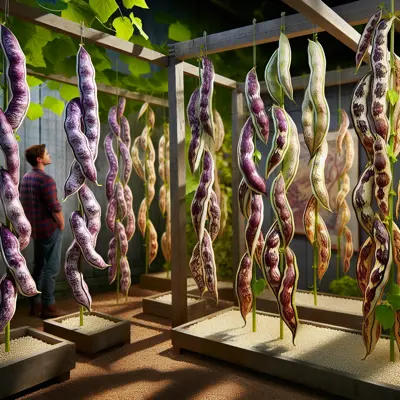
A striking heirloom pole bean featuring distinctive purple streaks and mottled patterns that resemble rattlesnake markings, making it as ornamental as it is productive. This heat-tolerant Southern favorite produces abundant harvests of tender, flavorful pods throughout the summer, even in challenging growing conditions. The vigorous vines not only provide delicious beans but also create an eye-catching display in the garden with their unique coloration.
Harvest
70-75d
Days to harvest
Sun
Full sun
Zones
2–11
USDA hardiness
Difficulty
Moderate
Planting Timeline
Showing dates for Rattlesnake Pole Bean in USDA Zone 7
All Zone 7 bean →Zone Map
Click a state to update dates
Rattlesnake Pole Bean · Zones 2–11
Growing Details
Succession Planting
Direct sow Rattlesnake pole beans every 3 weeks from late April through early June in zone 7. The UGA Vegetable Garden Calendar flags May as the time for a third planting of snap beans, so a late-April sow, a mid-May sow, and an early-June sow will stagger your harvest across July, August, and into September without everything coming in at once.
Stop sowing by mid-June. Beans pollinated when daytime temps are consistently above 90°F tend to drop their blossoms without setting pods, and Georgia summers cross that line fast. A late-June gamble occasionally pays off, but don't build your CSA schedule around it.
Complete Growing Guide
Rattlesnake pole beans are best started by direct sowing seeds into the garden after all danger of frost has passed and soil temperatures reach at least 60°F, ideally 70°F or warmer. This Southern heirloom thrives in heat, so waiting until late spring or early summer—about two weeks after your last frost date—ensures faster germination and stronger seedling vigor. Unlike some pole bean varieties, Rattlesnake seeds have excellent germination rates when sown directly, so indoor starting is unnecessary and may actually set back transplants due to their vigorous nature.
Prepare your soil by working in 2–3 inches of compost or aged manure to improve drainage and fertility, as these beans are heavy feeders. Sow seeds 1 inch deep and 4–6 inches apart along your trellis or support structure, spacing rows 18–24 inches apart. The vines grow tall and productive, so sturdy trellising—whether bamboo teepees, wooden stakes, or string systems—is essential for air circulation and ease of harvesting the striking pods with their characteristic purple streaking.
Water consistently at the base of plants, providing about 1 inch per week through drip irrigation or soaker hoses. Rattlesnake pole beans are drought-tolerant once established due to their deep root systems, but inconsistent watering can stress plants and reduce pod set. Feed with a balanced fertilizer or fish emulsion every three weeks once flowering begins; avoid nitrogen-heavy fertilizers, which promote excessive leaf growth at the expense of bean production. This variety's Southern heritage makes it resilient in heat, but mulching around plants helps retain soil moisture during peak summer temperatures.
Watch closely for bean beetles and stink bugs, which are particularly attracted to pole beans and can cause significant pod damage on Rattlesnake varieties. Hand-pick beetles and clusters of eggs regularly, and consider lightweight row covers early in the season. Spider mites thrive in hot, dry conditions, so maintaining adequate moisture around foliage (without wetting leaves) and spraying undersides of leaves with water can help. Bacterial blight and anthracnose may appear during humid spells, especially if overhead watering wets foliage; always water at soil level and remove any diseased leaves promptly.
Succession plant every two to three weeks through mid-summer to ensure continuous harvests until frost. Pinch out the growing tip once vines reach the top of their support to encourage branching and lateral pod production rather than endless vertical growth.
The most common mistake gardeners make with Rattlesnake pole beans is harvesting too late. These beans are most tender and flavorful when pods are 6–8 inches long, before they become stringy and tough. Check vines every 2–3 days during peak season, as mature beans ready for drying are beautiful but have already passed the culinary sweet spot.
Harvesting
Harvest Rattlesnake Pole Beans when the pods reach 6-8 inches long and the distinctive purple streaks remain vibrant rather than fading to dark brown, signaling peak tenderness before the beans inside mature too far. The pods should snap cleanly when bent and feel firm yet slightly yielding to gentle pressure. This variety produces continuously throughout the season, rewarding frequent picking every 2-3 days rather than waiting for a single harvest window. To maximize productivity and encourage prolonged flowering, begin harvesting as soon as pods reach usable size, as leaving mature pods on the vine signals the plant to slow production. Morning harvests, when pods are crisp with dew, yield the best texture and flavor.
The boat-shaped seed pods are bilaterally symmetrical and can be green, yellow, white, or purple at maturity. There is a wide variety of color and shape choices among cultivars.
Color: Gold/Yellow, Green, Purple/Lavender, White. Type: Legume. Length: > 3 inches. Width: < 1 inch.
Garden value: Edible, Good Dried
Harvest time: Fall, Summer
Storage & Preservation
Fresh Rattlesnake pole beans store best unwashed in perforated plastic bags in the refrigerator crisper drawer, maintaining quality for 5-7 days at 32-40°F with high humidity. For longer storage, blanch whole pods in boiling water for 3 minutes, shock in ice water, then freeze in sealed bags for up to 8 months – the unique purple streaking fades but flavor remains excellent.
For traditional preservation, these beans excel when pressure-canned using USDA guidelines, maintaining their full-bodied flavor through processing. Many Southern cooks prefer 'leather britches' – simply string fresh pods on heavy thread and hang in a dry, well-ventilated area until completely dehydrated. Rehydrate dried beans in seasoned broths for authentic mountain cooking. The mature seeds can also be dried for winter soup beans, developing a rich, nutty flavor when fully cured.
History & Origin
The Rattlesnake Pole Bean emerges from Southern gardening tradition rather than formal breeding documentation, representing a folk variety that evolved through generations of seed-saving among home gardeners across the American South. Its distinctive purple-streaked pod pattern likely arose through natural selection and cross-pollination within heirloom bean populations, though the specific origin point remains undocumented in academic records. The variety appears in seed catalogs primarily through heritage seed companies that have preserved it as part of Appalachian and Southern agricultural heritage, suggesting it developed organically within these regional gardening communities rather than through deliberate institutional breeding programs.
Origin: Tropical America
Advantages
- +Striking purple-streaked pods add ornamental beauty to garden displays
- +Heat-tolerant variety thrives in hot Southern summers with vigor
- +Rich, full-bodied flavor and excellent texture surpass many modern bean varieties
- +Abundant harvests throughout summer justify moderate growing difficulty investment
- +Vigorous vines quickly cover trellises while producing prolific bean yields
Considerations
- -Susceptible to multiple diseases including bacterial blight, rust, and anthracnose
- -Multiple common pests like bean beetles and spider mites require management
- -70-75 day maturity requires long growing season unsuitable for short climates
- -Moderate difficulty level demands proper support structure and consistent care
Companion Plants
Rattlesnake pole bean is the bean leg of the classic Three Sisters, and corn is its most practical companion — the stalks act as a trellis while the beans fix atmospheric nitrogen through Rhizobium bacteria on their roots, which feeds the corn's heavy appetite over the season. Squash fills out the trio by shading the soil at ground level, cutting down on weeds and slowing moisture loss. Marigolds and nasturtiums pull their weight by drawing aphid predators like parasitic wasps into the area; nasturtiums also act as a trap crop, pulling aphids off the beans. Radishes are worth tucking in at the row edges — they're done in 25-30 days and clear out before the beans need the space.
Onions and garlic are the ones to keep at a distance. Alliums inhibit the Rhizobium bacteria on bean roots, which undercuts the nitrogen-fixing benefit you're growing a legume for in the first place. Fennel is broadly antagonistic to most vegetables and has no business in a mixed bed. In zone 7 Georgia, where the window between late spring warmth and brutal summer heat is short, you want every biological advantage the beans can get — planting alliums nearby quietly cancels one of them.
Plant Together
Corn
Provides natural pole support for climbing beans, classic Three Sisters companion
Squash
Large leaves suppress weeds and retain soil moisture, completes Three Sisters trio
Marigold
Repels Mexican bean beetles and other harmful insects
Nasturtium
Acts as trap crop for aphids and cucumber beetles
Carrots
Beans fix nitrogen that carrots utilize, carrots don't compete for space
Lettuce
Benefits from bean's nitrogen fixation and shade, efficient space usage
Radishes
Quick growing, loosens soil for bean roots, harvested before beans mature
Basil
Repels aphids and bean beetles, may enhance bean flavor
Keep Apart
Onions
May inhibit bean growth and nitrogen fixation through root compounds
Garlic
Can stunt bean growth and interfere with beneficial soil bacteria
Fennel
Allelopathic compounds inhibit bean germination and growth
Nutrition Facts
Per 100g serving. % Daily Value based on 2,000 calorie diet. Source: USDA FoodData Central (FDC #2346400)
Pests & Disease Resistance
Resistance
Good heat tolerance, moderate disease resistance
Common Pests
Bean beetles, stink bugs, spider mites, aphids
Diseases
Bacterial blight, rust, anthracnose, mosaic virus
Troubleshooting Rattlesnake Pole Bean
What you'll see, why it happens, and what to do about it.
Leaves with ragged chunks missing, some browning, affecting roughly half the plants around week 7
Likely Causes
- Mexican bean beetle (Epilachna varivestis) — the larvae are spiny yellow grubs that skeletonize leaves from the underside
- Bean leaf beetle (Cerotoma trifurcata) — chews clean circular holes through leaf tissue
What to Do
- 1.Flip leaves and check undersides for Mexican bean beetle egg clusters (bright yellow, football-shaped); crush them by hand before they hatch
- 2.For heavier infestations, apply spinosad or kaolin clay — the UGA Pest Management Handbook lists labeled options for bean beetles
- 3.Pull and dispose of any heavily skeletonized leaves to reduce beetle habitat; don't compost them
Reddish-orange powdery pustules on leaf undersides, sometimes with yellowing on the upper surface
Likely Causes
- Bean rust (Uromyces appendiculatus) — a fungal disease that spreads fast in warm, humid conditions, especially where beans have grown in the same bed for multiple years
- Poor airflow from overcrowded planting at less than 6-inch spacing
What to Do
- 1.Strip and trash (not compost) affected leaves as soon as you spot them
- 2.NC State Extension recommends rotating beans out of any plot where rust has appeared for at least 2 seasons — if you've grown beans in the same spot 5 years running, move them
- 3.Next planting, keep spacing at 6-8 inches and get the vines onto their trellis early so foliage dries faster after rain
Frequently Asked Questions
How long do Rattlesnake pole beans take to grow?▼
Can you grow Rattlesnake pole beans in containers?▼
What do Rattlesnake pole beans taste like?▼
When should I plant Rattlesnake pole beans?▼
Are Rattlesnake pole beans good for beginners?▼
Do Rattlesnake pole beans need a lot of water?▼
Zone-by-Zone Planting Calendar
| Zone | Indoor Start | Transplant | Direct Sow | Harvest |
|---|---|---|---|---|
| Zone 1 | — | — | July – August | October – August |
| Zone 2 | — | — | June – August | September – September |
| Zone 11 | — | — | January – March | April – June |
| Zone 12 | — | — | January – March | April – June |
| Zone 13 | — | — | January – March | April – June |
| Zone 3 | — | — | June – July | September – October |
| Zone 4 | — | — | June – July | September – October |
| Zone 5 | — | — | May – June | August – October |
| Zone 6 | — | — | May – June | August – September |
| Zone 7 | — | — | April – June | July – September |
| Zone 8 | — | — | April – May | July – August |
| Zone 9 | — | — | March – April | June – July |
| Zone 10 | — | — | February – April | May – July |
Growing Guides from Wind River Greens
Sources & References
External authority sources used in compiling this guide.
See the Methodology page for how this data is sourced, what's AI-assisted, and known limitations.