Purple Top Turnip Bean
Phaseolus vulgaris 'Purple Top'
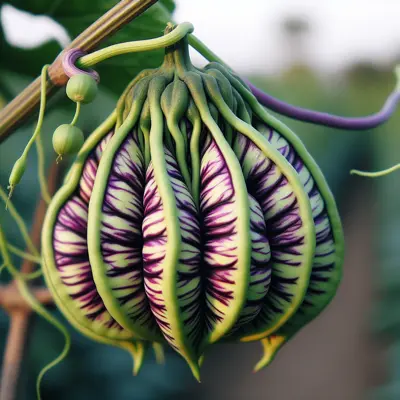
A stunning heirloom pole bean that produces beautiful purple-streaked pods that transform to green when cooked. This vigorous climber not only provides an abundant harvest but also adds ornamental value to the garden with its attractive purple-tinged foliage and colorful pods. The tender, flavorful beans have been cherished by gardeners for generations and offer both visual appeal and exceptional taste.
Harvest
65-75d
Days to harvest
Sun
Full sun
Zones
2–11
USDA hardiness
Difficulty
Moderate
Planting Timeline
Showing dates for Purple Top Turnip Bean in USDA Zone 7
All Zone 7 bean →Zone Map
Click a state to update dates
Purple Top Turnip Bean · Zones 2–11
Growing Details
Succession Planting
Direct sow every 14-21 days from your last frost date through early July in zone 7. The UGA Vegetable Garden Calendar recommends a third planting in May of crops first sown in April, which fits this window well. Each planting runs 65-75 days to harvest, so a mid-June sowing finishes in late August or early September, well ahead of hard frost.
Stop sowing once daytime highs are consistently above 90°F. Bean flowers drop without setting pods in that heat — you'll just be wasting seed. A late July sowing can work in zone 7 if a cool stretch opens up, but watch the 10-day forecast before committing; it's a gamble more often than not.
Complete Growing Guide
Purple Top Turnip Bean is best started by direct sowing seeds into the garden after all danger of frost has passed and soil temperatures reach at least 60°F, ideally 70°F or warmer. Unlike some pole beans, this variety germinates reliably from direct sowing and actually prefers this method over indoor transplanting, which can stress the vigorous vines. Time your planting for about one week after your last spring frost date, or wait until soil has warmed thoroughly to ensure quick germination and strong establishment.
Prepare your soil by working in compost or well-rotted manure several weeks before planting, as Purple Top Turnip Bean thrives in fertile, well-draining soil rich in organic matter. Sow seeds directly one inch deep and space them four to six inches apart along your trellis or support structure. This variety grows into a vigorous climber reaching six to eight feet or more, so sturdy support is essential—use poles, a tall trellis, or twine strung between overhead support. Thin seedlings to eight inches apart once they're established, allowing proper air circulation around the purple-tinged foliage.
Water consistently throughout the growing season, providing about one inch per week through rainfall or irrigation. Water at the soil level rather than overhead to minimize disease pressure, especially important for this variety since it's susceptible to bacterial blight and rust. Feed with a balanced fertilizer or compost tea every three weeks once flowering begins, but avoid excessive nitrogen, which encourages leafy growth at the expense of pod production.
Monitor closely for bean beetles and aphids, which are particularly attracted to pole beans. Scout the undersides of those distinctive purple-tinged leaves regularly and handpick beetles or use neem oil at first sign of infestation. Watch for spider mites during dry spells and maintain consistent moisture to deter them. The purple-streaked pods are especially vulnerable to anthracnose in wet conditions, so never work in the garden when foliage is wet. At the first sign of rust or spots on leaves, remove affected foliage promptly and increase air circulation by pruning lower leaves slightly once plants are established.
Trellising is non-negotiable for Purple Top Turnip Bean—without proper support, pods tangle and become difficult to harvest, and air circulation suffers. Provide sturdy poles or a strong trellis system from the start. Consider succession planting every two weeks until mid-summer for continuous harvests through fall, as this variety produces steadily over its 65-to-75-day window.
The most common mistake gardeners make with Purple Top Turnip Bean is harvesting too late. Pick pods when they still show their stunning purple streaks and are tender, typically when about pencil-thick. Waiting until they mature fully results in tough, stringy beans that lack the exceptional flavor this heirloom is known for.
Harvesting
Harvest Purple Top Turnip Beans when the pods are still predominantly purple-streaked but beginning to show hints of green, typically at 4-6 inches long, and feel tender and slightly flexible when gently squeezed. Pods harvested at this young stage offer the best flavor and texture; waiting until they fully mature to green will result in tougher, less tender beans. For maximum productivity, practice continuous harvesting every 2-3 days rather than waiting for a single bulk harvest, as regularly removing pods encourages the plant to produce more flowers and extend the bearing season. A key timing tip: pick beans in the early morning when pods are fully hydrated and crisp, which enhances their tenderness and makes them less likely to snap during handling.
The boat-shaped seed pods are bilaterally symmetrical and can be green, yellow, white, or purple at maturity. There is a wide variety of color and shape choices among cultivars.
Color: Gold/Yellow, Green, Purple/Lavender, White. Type: Legume. Length: > 3 inches. Width: < 1 inch.
Garden value: Edible, Good Dried
Harvest time: Fall, Summer
Storage & Preservation
Fresh Purple Top Turnip Bean pods maintain peak quality for 5-7 days when stored unwashed in perforated plastic bags in the refrigerator crisper drawer at 32-40°F. Their purple coloration may fade slightly during storage, but flavor remains excellent.
For freezing, blanch whole pods in boiling water for 3 minutes, then immediately plunge into ice water. Drain thoroughly and freeze in airtight containers for up to 8 months. The purple coloration will largely disappear during blanching, resulting in green beans.
Drying works exceptionally well for Purple Top Turnip Beans—allow pods to mature fully on the vine until papery, then harvest and shell out the dried beans for winter storage. These dried beans can be stored in airtight containers for 2-3 years and make excellent soup beans with their rich, meaty flavor. Pressure canning fresh pods follows standard bean processing times of 20 minutes for pints, 25 minutes for quarts at 10 pounds pressure.
History & Origin
The precise origin of Purple Top Turnip Bean remains poorly documented in readily available horticultural records, though it belongs to the broader heirloom pole bean tradition maintained through seed-saving communities and family gardens across North America and Europe. Like many heirloom varieties without formal breeding documentation, this cultivar likely emerged through spontaneous selection and intentional saving by home gardeners who perpetuated plants displaying the distinctive purple-streaked pod coloration and superior flavor characteristics. The "Purple Top" nomenclature suggests regional selection emphasizing the purple-tinged foliage trait, a common naming convention among folk varieties. Its persistence in the heirloom seed trade indicates sustained gardener interest, though comprehensive genealogical documentation linking it to specific breeders, seed companies, or founding regions remains absent from standard botanical literature.
Origin: Tropical America
Advantages
- +Beautiful purple-streaked pods add ornamental garden appeal and visual interest
- +Rich, meaty flavor with tender texture makes these beans exceptionally delicious
- +Vigorous pole climber produces abundant harvests over extended 65-75 day season
- +Purple-tinged foliage and colorful pods create stunning landscape aesthetic value
Considerations
- -Susceptible to multiple diseases including bacterial blight, rust, and mosaic virus
- -Moderate growing difficulty requires more experience than simple bush bean varieties
- -Vulnerable to bean beetles, aphids, and spider mites requiring pest management
Companion Plants
The Three Sisters combination — corn, beans, and squash — holds up for practical reasons. Corn gives pole-type beans something to climb, skipping the need for a separate trellis. The beans return the favor by fixing atmospheric nitrogen through root bacteria, which feeds corn's heavy appetite. Squash sprawls at ground level, shading out weeds and slowing soil moisture loss between waterings. If you're growing a bush type, the trellis benefit disappears, but the nitrogen exchange and squash ground cover still deliver.
Marigolds (Tagetes erecta or T. patula) are worth planting at the bed edges. Their root exudates suppress certain soil nematodes, and the scent is thought to confuse aphids and leafhoppers — two pests NC State Extension flags specifically for beans. Nasturtiums pull double duty: they're a known aphid magnet, drawing infestations away from your bean foliage, and you can just yank a nasturtium if it gets badly colonized. Summer savory has a long-standing reputation for repelling bean beetles, and it stays low enough that light competition isn't an issue.
Onions, garlic, and fennel are worth keeping on the opposite end of the plot. Alliums release sulfur compounds that inhibit Rhizobium bacteria in bean roots — which is precisely the symbiosis that makes beans productive in rotation. Fennel is broadly allelopathic and tends to stunt neighboring plants regardless of family. Neither is a catastrophic mistake in a small garden, but there's no upside to the pairing either.
Plant Together
Marigold
Repels bean beetles, aphids, and nematodes while attracting beneficial insects
Carrots
Help loosen soil for bean roots and don't compete for nutrients
Corn
Provides natural support structure for climbing beans and benefits from nitrogen fixation
Squash
Ground cover reduces weeds and retains soil moisture, part of Three Sisters companion planting
Nasturtium
Acts as trap crop for aphids and cucumber beetles while repelling bean beetles
Radishes
Break up compacted soil and mature quickly without competing for space
Lettuce
Benefits from bean nitrogen fixation and provides ground cover to retain moisture
Summer Savory
Repels bean beetles and may improve bean flavor and growth
Keep Apart
Onions
Can inhibit bean growth and nitrogen fixation through root secretions
Garlic
Releases compounds that can stunt bean growth and interfere with beneficial bacteria
Fennel
Produces allelopathic compounds that inhibit growth of beans and most garden plants
Sunflowers
Compete heavily for nutrients and water, and may release growth-inhibiting chemicals
Nutrition Facts
Per 100g serving. % Daily Value based on 2,000 calorie diet. Source: USDA FoodData Central (FDC #170465)
Pests & Disease Resistance
Resistance
Moderate disease resistance typical of heirloom varieties
Common Pests
Bean beetles, aphids, leafhoppers, spider mites
Diseases
Bacterial blight, rust, anthracnose, mosaic virus
Troubleshooting Purple Top Turnip Bean
What you'll see, why it happens, and what to do about it.
Leaves with irregular chunks missing, plus small copper-colored beetles or their yellow, spiny larvae on the foliage around week 6-7
Likely Causes
- Mexican bean beetle (Epilachna varivestis) — adults and larvae both feed on leaf tissue from the underside, leaving a lacy, skeletonized look
- Bean leaf beetle — a separate species the UGA Vegetable Garden Calendar lists alongside Mexican bean beetle as one of the top culprits on beans
What to Do
- 1.Hand-pick adults and larvae into soapy water every morning for a week — populations drop fast if you're consistent
- 2.Row cover at germination keeps adults off entirely; remove it when flowers open so pollinators can get in
- 3.If pressure is heavy, spinosad (an OMRI-listed organic option) applied to the undersides of leaves is effective; follow the label interval, usually 4-7 days between sprays
Water-soaked or dark brown lesions on pods and leaves, sometimes with a yellow halo, appearing after a stretch of wet weather
Likely Causes
- Bacterial blight (Pseudomonas syringae pv. phaseolicola or Xanthomonas axonopodis pv. phaseoli) — spreads by rain splash and overhead irrigation
- Anthracnose (Colletotrichum lindemuthianum) — a fungal disease that produces similar dark, sunken pod lesions; both are favored by cool, wet conditions
What to Do
- 1.Switch to drip or soaker irrigation — keeping foliage dry cuts disease pressure significantly; NC State Extension's diagnostic case study notes that 1 inch per week via soaker hose is the right target
- 2.Pull and trash (don't compost) any badly infected plants; spores and bacteria overwinter in debris
- 3.Rotate this bed out of beans and other legumes for at least 2 seasons — NC State Extension's organic gardening guidance specifically recommends crop rotation to break disease cycles
Frequently Asked Questions
How long does Purple Top Turnip Bean take to grow?▼
Can you grow Purple Top Turnip Bean in containers?▼
What does Purple Top Turnip Bean taste like?▼
Do Purple Top Turnip Beans stay purple when cooked?▼
Is Purple Top Turnip Bean good for beginners?▼
When should I plant Purple Top Turnip Bean seeds?▼
Zone-by-Zone Planting Calendar
| Zone | Indoor Start | Transplant | Direct Sow | Harvest |
|---|---|---|---|---|
| Zone 1 | — | — | July – August | October – August |
| Zone 2 | — | — | June – August | September – September |
| Zone 11 | — | — | January – March | April – June |
| Zone 12 | — | — | January – March | April – June |
| Zone 13 | — | — | January – March | April – June |
| Zone 3 | — | — | June – July | September – October |
| Zone 4 | — | — | June – July | September – October |
| Zone 5 | — | — | May – June | August – October |
| Zone 6 | — | — | May – June | August – September |
| Zone 7 | — | — | April – June | July – September |
| Zone 8 | — | — | April – May | July – August |
| Zone 9 | — | — | March – April | June – July |
| Zone 10 | — | — | February – April | May – July |
Growing Guides from Wind River Greens
Sources & References
External authority sources used in compiling this guide.
See the Methodology page for how this data is sourced, what's AI-assisted, and known limitations.