Maxibel Haricot Vert
Phaseolus vulgaris 'Maxibel'
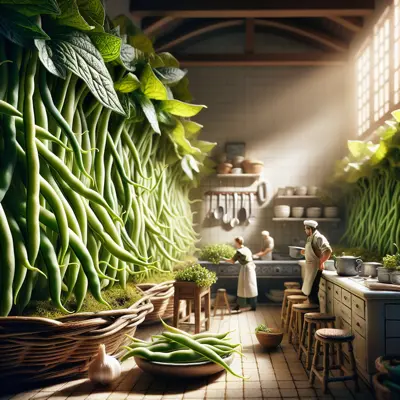
The ultimate French filet bean prized by gourmet cooks for its incredibly slender, pencil-thin pods and exceptional tenderness. This productive bush variety produces an abundance of extra-fine beans that maintain their delicate texture and vibrant color whether served fresh or lightly cooked. Maxibel represents the pinnacle of fine bean breeding, delivering restaurant-quality haricot verts for the home gardener's table.
Harvest
50-55d
Days to harvest
Sun
Full sun
Zones
2–11
USDA hardiness
Difficulty
Moderate
Planting Timeline
Showing dates for Maxibel Haricot Vert in USDA Zone 7
All Zone 7 bean →Zone Map
Click a state to update dates
Maxibel Haricot Vert · Zones 2–11
Growing Details
Succession Planting
Direct sow Maxibel every 14 days starting around April 1 in zone 7, continuing through the end of June — that lines up with the UGA Extension vegetable calendar's recommendation to make successive plantings of snap beans through May. Each sowing gives you a 50–55 day harvest window, so two or three rounds will cover your picking weeks without a gap.
Stop sowing once daytime highs are consistently above 90°F, typically early July. Bean flowers drop when nighttime temps stay above 75°F, so a late June sowing is about your last reliable shot at full pod set. One more sowing in late August can work for a fall crop once the heat breaks — soil temps above 60°F push germination in 7–10 days, and fall plantings tend to come in cleaner with noticeably less Mexican bean beetle pressure than the summer rounds.
Complete Growing Guide
Maxibel Haricot Vert thrives when direct sown into warm soil after all danger of frost has passed. Unlike some bean varieties that tolerate cool soil, Maxibel germinates best when soil temperature reaches at least 60°F, ideally 70°F or warmer. Wait until your last spring frost date has safely passed, then sow seeds directly into the garden bed about one inch deep. For those with short growing seasons, starting seeds indoors three to four weeks before the last frost and transplanting them out at the appropriate time works well, though direct sowing is often preferred to avoid transplant shock. Space seeds two to three inches apart in rows, thinning seedlings to four to six inches apart once they emerge. Maxibel is a bush variety, so it won't require extensive spacing like pole beans, making it ideal for containers and compact garden beds.
Prepare your soil with compost or well-rotted organic matter worked in several inches deep. Maxibel appreciates loose, well-draining soil with a neutral to slightly acidic pH between 6.0 and 7.0. Poor drainage can lead to the fungal diseases this variety is susceptible to, so amending clay soils is particularly important. Position plants where they receive at least six hours of full sun daily; insufficient light stresses these plants and invites pest and disease problems.
Water consistently and deeply, providing about one inch per week through rainfall or irrigation. Keep the soil evenly moist but never waterlogged, as wet conditions encourage bacterial blight and white mold, both problematic for Maxibel. Water at the soil level in early morning to minimize leaf wetness. Once plants are established, apply a balanced fertilizer every three weeks, or use a slow-release formulation at planting. Avoid high-nitrogen feeds, which promote leafy growth at the expense of bean production.
Monitor closely for bean beetles and aphids, which can quickly damage the tender foliage. Early detection and hand-picking of yellow egg clusters prevents infestations. Spider mites thrive in hot, dry conditions, so consistent watering helps. Watch for white, cottony growth (white mold) on stems and beans, particularly in humid seasons—improve air circulation and avoid overhead watering.
Maxibel's greatest vulnerability is fungal disease pressure, so never handle wet plants and ensure good spacing for air flow. Succession plant new seeds every two weeks until mid-summer for continuous harvests rather than a single flush. Many gardeners underestimate how much harvesting this variety produces; pick beans when pencil-thin at fifty to fifty-five days for peak tenderness and flavor. Regular harvesting encourages continued flowering and extends the season.
Harvesting
Harvest Maxibel beans when pods reach 4-5 inches long with a bright, uniform green color and feel tender when gently squeezed—they should snap crisply rather than bend. Unlike varieties bred for mature seeds, these filet beans must be picked young before the pods become stringy or the seeds inside begin to bulge noticeably. Practice continuous harvesting every two to three days once production begins; frequent picking stimulates more flowering and extends your harvest window considerably. Pick in the early morning when pods are crisp and cool, as this preserves their delicate texture and vibrant color for maximum eating quality.
The boat-shaped seed pods are bilaterally symmetrical and can be green, yellow, white, or purple at maturity. There is a wide variety of color and shape choices among cultivars.
Color: Gold/Yellow, Green, Purple/Lavender, White. Type: Legume. Length: > 3 inches. Width: < 1 inch.
Garden value: Edible, Good Dried
Harvest time: Fall, Summer
Storage & Preservation
Store freshly harvested Maxibel haricot verts unwashed in the refrigerator crisper drawer, loosely wrapped in a perforated plastic bag. These delicate beans maintain peak quality for 4-5 days when kept at 40-45°F with high humidity. Avoid storing at room temperature, as the fine pods quickly lose their prized tenderness.
For freezing, blanch whole pods in boiling water for 2-3 minutes, immediately plunge into ice water, drain thoroughly, and freeze in single layers before transferring to freezer bags. Properly frozen haricot verts retain excellent texture for 8-10 months.
Maxibel's tender pods also excel when pickled using a light vinegar brine with herbs like tarragon or thyme—a traditional French preservation method that maintains their delicate crunch. Due to their fine texture, these beans aren't suitable for pressure canning but work beautifully in refrigerator pickles that last 2-3 weeks.
History & Origin
Maxibel emerged from French haricot vert breeding traditions, though detailed documentation of its specific breeder and introduction date remains limited in widely available sources. The variety represents the refinement of French filet bean selection, a heritage approach prioritized by French seed companies and regional growers seeking ever-more delicate, pencil-thin pods. Maxibel's development aligns with mid-to-late twentieth century improvements in French bean cultivars, building upon decades of careful selection for pod fineness and tenderness. While commercial seed catalogs have widely distributed Maxibel since at least the 1980s, tracing its precise origins to a particular breeding program or institution requires specialist horticultural documentation.
Origin: Tropical America
Advantages
- +Produces exceptionally slender, pencil-thin pods perfect for gourmet cooking
- +Delivers restaurant-quality haricot verts in just 50-55 days
- +Maintains delicate texture and vibrant color when fresh or cooked
- +Bush variety yields abundant extra-fine beans from compact plants
- +Delicate, sweet flavor with crisp-tender texture impresses discerning palates
Considerations
- -Susceptible to multiple diseases including bacterial blight and white mold
- -Requires moderate growing difficulty with careful pest management needed
- -Vulnerable to bean beetles, aphids, thrips, and spider mites
- -Fine pods may be damaged by rough handling or poor conditions
Companion Plants
Marigolds — French marigolds (Tagetes patula) specifically — do real work at the row ends: their root exudates suppress root-knot nematodes in the top 6 inches of soil, which is a genuine concern in the sandy loam beds common to our zone 7 Georgia gardens. Nasturtiums earn a spot as a trap crop; aphids pile onto them and leave the beans alone, and you can pull the nasturtium plant mid-season and take the aphids with it. Carrots and radishes are safe at close range because their roots feed at a different depth and don't compete with the shallow nitrogen-fixing nodules on bean roots. Onions and garlic are the ones to keep 12 inches or more away — the sulfur compounds alliums release interfere with the Rhizobium bacteria that make legume nitrogen-fixation work, which undercuts the main soil benefit of growing beans here at all.
Plant Together
Marigold
Repels bean beetles, aphids, and nematodes while attracting beneficial insects
Nasturtium
Acts as trap crop for aphids and cucumber beetles, repels bean beetles
Carrots
Beans fix nitrogen that carrots use, carrots don't compete for space
Corn
Provides natural trellis support, beans fix nitrogen for corn's benefit
Radishes
Loosen soil for bean roots, mature quickly before beans need full space
Summer Squash
Large leaves provide ground cover and moisture retention, classic three sisters companion
Rosemary
Repels bean beetles and Mexican bean beetles with strong aromatic oils
Lettuce
Benefits from bean's nitrogen fixation, provides living mulch
Keep Apart
Onions
Can inhibit bean growth and nitrogen fixation through allelopathic compounds
Garlic
May stunt bean growth and interfere with beneficial rhizobia bacteria
Sunflowers
Compete heavily for nutrients and water, can shade out beans
Nutrition Facts
Per 100g serving. % Daily Value based on 2,000 calorie diet. Source: USDA FoodData Central (FDC #2346400)
Pests & Disease Resistance
Resistance
Good resistance to common bean mosaic virus
Common Pests
Bean beetles, aphids, thrips, spider mites
Diseases
Bacterial blight, white mold, rust, anthracnose
Troubleshooting Maxibel Haricot Vert
What you'll see, why it happens, and what to do about it.
Leaf edges and surfaces chewed away in irregular chunks, sometimes with skeletonized patches, starting around week 4–6 after direct sow
Likely Causes
- Mexican bean beetle (Epilachna varivestis) — adults and larvae rasp the leaf tissue from the underside
- Bean leaf beetle (Cerotoma trifurcata) — chews clean round holes through leaves
What to Do
- 1.Flip leaves and crush any yellow egg clusters or soft orange larvae you find — daily scouting for 5–7 days usually breaks the cycle on a small planting
- 2.Spray spinosad or neem oil on the undersides of leaves in the evening; repeat every 7 days while pressure is high
- 3.Rotate this bed out of beans for at least 2 seasons — UGA Extension lists Mexican bean beetle among the top pest threats in Georgia, and adults overwinter close to where they fed the previous year
Water-soaked lesions on pods and leaves that turn brown and papery, sometimes with a pale halo; plants at or near soil level may collapse with white cottony growth at the stem base
Likely Causes
- Bacterial blight (Pseudomonas syringae pv. phaseolicola or Xanthomonas axonopodis pv. phaseoli) — spreads fast in wet, humid weather
- White mold (Sclerotinia sclerotiorum) — thrives when the canopy is dense and airflow is poor, especially after a wet stretch
What to Do
- 1.Pull and bag (don't compost) any plant showing stem rot at the base — Sclerotinia produces hard black sclerotia that persist in soil for years
- 2.Harvest aggressively to open up the canopy; Maxibel planted at 3–4 inches gets dense enough that inner rows stay wet all day
- 3.Switch to drip or soaker irrigation and water in the morning — NC State Extension's IPM guidance ties bacterial blight spread directly to overhead watering and prolonged leaf wetness
Frequently Asked Questions
How long does Maxibel haricot vert take to grow from seed to harvest?▼
Can you grow Maxibel haricot vert in containers?▼
What's the difference between Maxibel and regular green beans?▼
Is Maxibel haricot vert good for beginner gardeners?▼
When should I plant Maxibel haricot vert seeds?▼
Why are my Maxibel beans tough and stringy?▼
Zone-by-Zone Planting Calendar
| Zone | Indoor Start | Transplant | Direct Sow | Harvest |
|---|---|---|---|---|
| Zone 1 | — | — | July – August | September – August |
| Zone 2 | — | — | June – August | September – September |
| Zone 11 | — | — | January – March | April – May |
| Zone 12 | — | — | January – March | April – May |
| Zone 13 | — | — | January – March | April – May |
| Zone 3 | — | — | June – July | August – October |
| Zone 4 | — | — | June – July | August – October |
| Zone 5 | — | — | May – June | August – September |
| Zone 6 | — | — | May – June | July – September |
| Zone 7 | — | — | April – June | July – August |
| Zone 8 | — | — | April – May | June – August |
| Zone 9 | — | — | March – April | May – July |
| Zone 10 | — | — | February – April | May – June |
Growing Guides from Wind River Greens
Sources & References
External authority sources used in compiling this guide.
See the Methodology page for how this data is sourced, what's AI-assisted, and known limitations.