Kentucky Wonder Pole
Phaseolus vulgaris 'Kentucky Wonder'
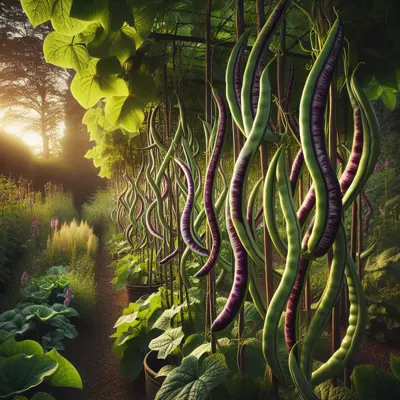
America's most beloved heirloom pole bean, cherished by gardeners since the 1850s for its incredible productivity and old-fashioned bean flavor. These vigorous climbing vines produce an abundance of long, curved pods that are best harvested young and tender, though they can also be left to mature for excellent shell beans. A true garden workhorse that keeps producing until frost.
Harvest
65-70d
Days to harvest
Sun
Full sun
Zones
2–11
USDA hardiness
Difficulty
Easy to Moderate
Planting Timeline
Showing dates for Kentucky Wonder Pole in USDA Zone 7
All Zone 7 bean →Zone Map
Click a state to update dates
Kentucky Wonder Pole · Zones 2–11
Growing Details
Succession Planting
Direct sow Kentucky Wonder every 14-21 days from your last frost date through early June (zone 7: roughly April 1 through June 10). Stop once daytime highs are sitting consistently at 90°F or above — pods set poorly in that heat and you'll burn through seed for little return. A late-July or early-August sowing can still work for a fall harvest; the 65-70 days to maturity puts you into October ahead of hard frost. Just make sure soil temps have dropped back below 95°F before you sow, and water the bed the day before to give germination a decent shot.
Complete Growing Guide
Kentucky Wonder Pole beans thrive when direct sown into warm soil after all danger of frost has passed. Unlike shorter-season varieties, these vigorous climbers need a full growing season, so wait until soil temperatures reach at least 60°F, ideally closer to 70°F, which typically falls one to two weeks after your region's last spring frost date. Starting seeds indoors is generally unnecessary and can actually set them back due to transplant stress; direct sowing produces healthier, more productive plants. Plant seeds one and a half inches deep, spacing them four to six inches apart along your support structure. You can thin seedlings to six inches apart once they've developed their first true leaves, or simply let them grow densely—Kentucky Wonder's vigor means even crowded plantings produce abundantly.
Prepare your soil before planting by incorporating aged compost or well-rotted manure to a depth of eight to ten inches. These beans aren't heavy feeders, but they do appreciate fertile, well-draining soil with a pH between 6.0 and 7.0. If your soil tends toward clay, amend generously with organic matter to improve drainage and prevent the root diseases this variety is susceptible to. Solid trellising is essential; plan for seven to eight-foot stakes, sturdy twine systems, or cattle panels positioned before planting.
Water deeply and consistently, providing one to one and a half inches per week through drip irrigation or soaker hoses rather than overhead watering, which encourages fungal problems. Keep soil evenly moist but never waterlogged. Once flowering begins, maintain steady moisture to prevent pod drop. Feed with a balanced fertilizer every three to four weeks, or work in slow-release granules at planting time. Avoid high-nitrogen fertilizers, which promote excessive vine growth at the expense of pod production.
Kentucky Wonder is particularly susceptible to rust and bean beetles, which can devastate this variety's foliage. Scout plants twice weekly, hand-picking beetles and their egg clusters from both leaf surfaces. At the first sign of rust—orange pustules on leaf undersides—remove affected foliage immediately and improve air circulation. Bacterial blight may appear as dark, water-soaked lesions; remove entire infected plants to prevent spread. Anthracnose thrives in humid conditions, making overhead watering especially problematic for this cultivar.
Succession plant seeds every two weeks until eight weeks before your first expected frost to ensure continuous harvests through fall. Begin picking pods at seven to eight inches when snap beans are tender and flavorful. The one critical mistake gardeners make with Kentucky Wonder is harvesting too late; mature pods become stringy and tough. Regular, frequent picking also stimulates continued flowering and extends production until the first frost kills vines.
Harvesting
Harvest Kentucky Wonder pods when they reach six to eight inches long, displaying a tender bright green color with pods that snap cleanly when bent—this signals peak flavor before the beans inside become too mature and starchy. The pods should feel firm yet slightly flexible, never limp or yellowed. This variety excels with continuous harvesting; pick every two to three days to encourage ongoing production throughout the season, as leaving mature pods on the vine signals the plant to stop flowering. For best results, harvest in the early morning when pods are crisp and cool, maximizing tenderness and extending shelf life. If allowing pods to mature for shell beans, leave them on the vine until they dry and rattle, typically late in the season after fresh picking has slowed.
The boat-shaped seed pods are bilaterally symmetrical and can be green, yellow, white, or purple at maturity. There is a wide variety of color and shape choices among cultivars.
Color: Gold/Yellow, Green, Purple/Lavender, White. Type: Legume. Length: > 3 inches. Width: < 1 inch.
Garden value: Edible, Good Dried
Harvest time: Fall, Summer
Storage & Preservation
Fresh Kentucky Wonder beans maintain peak quality for 3-4 days when stored unwashed in perforated plastic bags in your refrigerator's crisper drawer. They prefer temperatures around 40°F with high humidity – wrapping them in slightly damp paper towels helps prevent moisture loss.
For longer storage, blanch whole pods in boiling water for 3 minutes, plunge into ice water, drain thoroughly, and freeze in airtight containers for up to 8 months. These beans also excel when pressure-canned using tested recipes, maintaining their meaty texture better than many modern varieties.
To preserve as shell beans, harvest mature pods and shell immediately, then freeze the beans on trays before packaging. For traditional dried beans, allow pods to cure completely on the vine, shell the beans, and store in airtight containers after ensuring they're thoroughly dry. Properly dried Kentucky Wonder beans can last 2-3 years and develop an even richer, nuttier flavor over time.
History & Origin
Kentucky Wonder Pole emerged as an American heirloom during the 19th century, becoming widely cultivated by the 1850s, though its precise breeder and origin location remain undocumented in agricultural records. The variety likely arose from spontaneous selection or deliberate crossing within the broader Phaseolus vulgaris pole bean tradition that European settlers established in North America. Its popularity across diverse American growing regions suggests it represented an improvement over earlier pole bean varieties, offering superior productivity and flavor characteristics valued by both home gardeners and market growers. The name itself reflects Kentucky's agricultural heritage, though the variety's cultivation extended far beyond that single state.
Origin: Tropical America
Advantages
- +Heirloom variety with rich, traditional bean flavor and meaty texture
- +Incredibly productive vines produce abundant long curved pods continuously
- +Versatile for both snap bean and shell bean harvesting
- +Vigorous climbers reach full height with minimal care required
- +Proven 170+ year track record of garden reliability
Considerations
- -Susceptible to rust, bacterial blight, and anthracnose diseases
- -Requires sturdy support structure due to vigorous vine growth
- -Vulnerable to bean beetles, spider mites, and aphid infestations
- -Longer 65-70 day maturity requires extended growing season
Companion Plants
Corn and squash pair well with Kentucky Wonder for practical reasons: corn gives the vines something to climb, and squash's broad leaves shade out weeds at soil level without competing for the same root zone. Marigolds and nasturtiums pull their weight by drawing aphids away and giving predatory insects a reason to hang around. Carrots and radishes at 4-6 inches out are genuinely non-competitive — their taproots work a different soil depth, so there's no real tug-of-war for water. Keep onions and garlic out of the bed entirely; alliums are thought to suppress the nitrogen-fixing Rhizobium bacteria that colonize bean roots, and since that nitrogen fixation is one of the main agronomic reasons to grow a pole bean, planting the two together just costs you.
Plant Together
Corn
Provides natural support structure for beans to climb, classic Three Sisters companion
Squash
Large leaves provide ground cover and moisture retention, completes Three Sisters planting
Marigolds
Repel bean beetles, nematodes, and other harmful insects
Nasturtiums
Act as trap crop for aphids and cucumber beetles, repel squash bugs
Carrots
Benefit from nitrogen fixed by beans, don't compete for space
Radishes
Break up soil for bean roots, mature quickly before beans need full space
Summer Savory
Repels bean beetles and aphids, may improve bean flavor
Lettuce
Grows well in partial shade of bean plants, benefits from nitrogen fixation
Keep Apart
Onions
Can inhibit bean growth and nitrogen fixation by beneficial bacteria
Garlic
Allelopathic compounds can stunt bean growth and reduce yields
Sunflowers
Compete for nutrients and space, can shade beans excessively
Nutrition Facts
Per 100g serving. % Daily Value based on 2,000 calorie diet. Source: USDA FoodData Central (FDC #2346400)
Pests & Disease Resistance
Resistance
Moderate disease resistance, good heat tolerance
Common Pests
Bean beetles, spider mites, aphids
Diseases
Rust, bacterial blight, anthracnose
Troubleshooting Kentucky Wonder Pole
What you'll see, why it happens, and what to do about it.
Leaves have ragged chunks missing, especially along edges, with small oval beetles visible on the undersides
Likely Causes
- Mexican bean beetle (Epilachna varivestis) — larvae and adults both feed on leaf tissue, skeletonizing leaves from the underside out
- Bean leaf beetle (Cerotoma trifurcata) — flagged by the UGA Vegetable Garden Calendar as one of the top 10 culprits on beans
What to Do
- 1.Check the undersides of leaves every 3-4 days starting at germination and crush or drown any yellow egg clusters you find in soapy water
- 2.Early discovery makes early control possible — don't wait until half the planting looks ragged before you act
- 3.If populations are heavy, apply an insecticide labeled for bean beetles and check the label for the pre-harvest interval before eating any pods
Olive-green, square-shaped insects clustered in large groups on stems and leaves, plants look generally sick, strong foul smell when you brush the foliage
Likely Causes
- Kudzu bug (Megacopta cribraria) — an invasive legume pest that congregates in numbers and saps plant energy quickly
- Growing beans in the same bed year after year, which lets kudzu bug populations establish in nearby debris and soil
What to Do
- 1.Check the NC State Agricultural Chemicals Manual for insecticides currently labeled for kudzu bug on beans, and spray only the affected plants
- 2.Rotate out of beans and other Phaseolus crops in that bed for at least one full season to break the cycle
- 3.Don't crush them by hand — use a soapy-water knock-down instead; crushing just spreads the smell and doesn't reduce the population
Reddish-brown powdery pustules on the undersides of leaves, yellow halos visible from the top, appearing mid-season after a stretch of humid weather
Likely Causes
- Bean rust (Uromyces appendiculatus) — windborne spores spread fast once conditions are right, and wet foliage held overnight accelerates it
- Overhead irrigation or evening watering that keeps leaves damp through the night
What to Do
- 1.Strip affected leaves, bag them, and put them in the trash — spores survive composting
- 2.Water at the base of the plant in the morning so foliage has time to dry before nightfall; drip tape is worth the setup cost if rust hits you two seasons running
- 3.Rotate this bed out of all Phaseolus crops for at least 2 years and consider a rust-tolerant variety next time if it keeps coming back
Frequently Asked Questions
How long do Kentucky Wonder pole beans take to grow?▼
Can you grow Kentucky Wonder beans in containers?▼
Are Kentucky Wonder beans good for beginners?▼
What's the difference between Kentucky Wonder and Blue Lake beans?▼
When should I plant Kentucky Wonder beans?▼
How much space do Kentucky Wonder beans need?▼
Zone-by-Zone Planting Calendar
| Zone | Indoor Start | Transplant | Direct Sow | Harvest |
|---|---|---|---|---|
| Zone 3 | — | — | June – July | September – October |
| Zone 4 | — | — | June – July | September – October |
| Zone 5 | — | — | May – June | August – October |
| Zone 6 | — | — | May – June | August – September |
| Zone 7 | — | — | April – June | July – September |
| Zone 8 | — | — | April – May | July – August |
| Zone 9 | — | — | March – April | June – July |
| Zone 10 | — | — | February – April | May – July |
| Zone 1 | — | — | July – August | October – August |
| Zone 2 | — | — | June – August | September – September |
| Zone 11 | — | — | January – March | April – June |
| Zone 12 | — | — | January – March | April – June |
| Zone 13 | — | — | January – March | April – June |
Growing Guides from Wind River Greens
Sources & References
External authority sources used in compiling this guide.
See the Methodology page for how this data is sourced, what's AI-assisted, and known limitations.