Jade Bush Bean
Phaseolus vulgaris 'Jade'
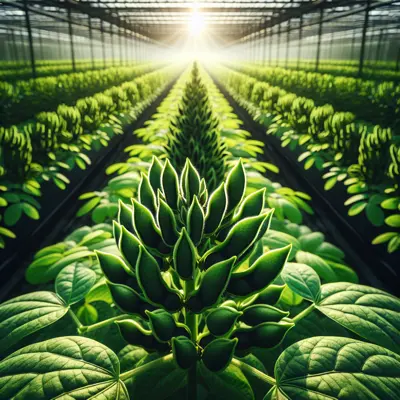
A premium hybrid bush bean renowned for producing perfectly straight, dark green pods with exceptional tenderness and flavor. This variety sets the standard for quality in fresh market beans, maintaining its crisp texture and bright color even after cooking. Jade's compact, upright growth habit and concentrated harvest make it ideal for both small gardens and larger plantings seeking restaurant-quality beans.
Harvest
55-60d
Days to harvest
Sun
Full sun
Zones
2–11
USDA hardiness
Difficulty
Easy
Planting Timeline
Showing dates for Jade Bush Bean in USDA Zone 7
All Zone 7 bean →Zone Map
Click a state to update dates
Jade Bush Bean · Zones 2–11
Growing Details
Succession Planting
Direct sow every 10–14 days from April 1 through late June in zone 7. Jade runs 55–60 days to harvest, so a sowing on June 25 should finish before August heat hammers pod quality. Stop once daytime highs are consistently above 90°F — beans drop blossoms in that range and you'll get a lot of leafy plant and very few pods worth picking. UGA's vegetable calendar flags a third planting in May, which slots neatly into an April–May–late June cadence for a steady run of summer harvests.
Complete Growing Guide
Jade Bush Bean thrives when direct sown into warm soil after your last frost date has passed and soil temperatures reach at least 60°F, ideally 70°F or warmer. Unlike some beans that benefit from indoor starting, this variety germinates so reliably from direct seed that indoor sowing is unnecessary and may actually shock the transplants. Count back 55 to 60 days from your first expected fall frost to determine your latest spring sowing date, then plan successive plantings two weeks apart if you want continuous harvests throughout the season. Early summer sowings often outperform spring plantings in many regions, producing pods just as the hottest weather arrives.
Prepare your soil by working in compost or well-rotted manure several weeks before planting, as Jade Bush Bean prefers loose, well-draining soil rich in organic matter. Sow seeds directly one and a half inches deep and two inches apart in rows spaced eighteen to twenty-four inches apart, or plant them in clusters if space is limited. Thin seedlings to four to six inches apart once they develop their first true leaves. This variety's compact, upright growth habit means it doesn't sprawl like pole beans, so closer spacing works well without encouraging disease.
Water consistently throughout the growing season, aiming for one inch per week through rainfall or irrigation. Deep, infrequent watering encourages strong root development better than frequent shallow watering. Jade Bush Bean requires minimal fertilization if your soil is reasonably fertile, but a balanced 5-10-10 fertilizer applied at flowering time can boost yields. Avoid excessive nitrogen, which promotes foliage at the expense of pod production.
Bean beetles are particularly attracted to Jade, so scout plants weekly starting when seedlings emerge. Hand-pick beetles and their orange egg clusters from leaf undersides, or use neem oil for heavier infestations. Aphids and spider mites also target this variety during hot, dry spells; increase watering frequency to improve humidity and reduce mite pressure. Thrips may cause silvering on pods, though this is primarily cosmetic. Watch carefully for white mold and anthracnose, especially if your region has humid summers. Improve air circulation by spacing plants properly and avoid overhead watering that wets foliage. Bacterial blight can devastate Jade quickly, so remove any plants showing dark, greasy lesions immediately and disinfect tools between plants.
Most gardeners underestimate how much this variety's exceptional tenderness and bright color depend on harvesting at precisely the right stage. Pick pods when they're four to five inches long and still tender, before they begin to yellow or develop visible seed bumps. Harvesting every two to three days keeps the plant producing prolifically and maintains that restaurant-quality texture Jade is famous for. Allowing pods to mature fully on the plant dramatically reduces subsequent flowering and cuts your total yield substantially.
Harvesting
Harvest Jade Bush Bean pods when they reach six to eight inches long and display a deep, dark green color with a slight glossy finish, ensuring they snap cleanly when bent. The pods should feel firm and crisp to the touch, indicating peak tenderness before the beans inside become too mature and starchy. For maximum yield, pick pods every two to three days once flowering begins, as continuous harvesting encourages the plant to produce more blooms rather than allowing pods to mature fully. A key timing tip: harvest in early morning after dew dries but before afternoon heat sets in, as this preserves the beans' crispness and flavor for several extra days in storage.
The boat-shaped seed pods are bilaterally symmetrical and can be green, yellow, white, or purple at maturity. There is a wide variety of color and shape choices among cultivars.
Color: Gold/Yellow, Green, Purple/Lavender, White. Type: Legume. Length: > 3 inches. Width: < 1 inch.
Garden value: Edible, Good Dried
Harvest time: Fall, Summer
Storage & Preservation
Fresh Jade beans maintain peak quality for 7-10 days when stored unwashed in perforated plastic bags in the refrigerator at 32-40°F. For best flavor and texture, use within 4-5 days of harvest.
For freezing, blanch whole pods in boiling water for 3 minutes, then immediately plunge into ice water. Drain thoroughly and package in freezer bags - frozen beans retain quality for 8-10 months. Jade's exceptional tenderness makes it ideal for pressure canning using tested recipes for green beans. The variety's firm texture also works well for fermented dilly beans, where the pods maintain their crunch through the fermentation process. Avoid dehydrating as the tender pods don't rehydrate well.
History & Origin
While detailed historical documentation on Jade Bush Bean's specific origins remains limited, this variety represents the lineage of modern hybrid bush bean breeding programs that emerged in the mid-to-late 20th century. Jade likely descended from crosses within commercial bean breeding lines developed by major seed companies seeking to improve pod straightness, color retention, and market appeal. The variety's characteristics—particularly its hybrid vigor and concentrated productivity—reflect breeding objectives prioritized by fresh market producers and seed companies throughout North America. Though the specific breeder and introduction year are not clearly documented in readily available sources, Jade exemplifies the refinement of bush bean genetics pursued by professional breeding programs focused on premium quality standards.
Origin: Tropical America
Advantages
- +Produces perfectly straight, dark green pods with exceptional tenderness and flavor
- +Ready to harvest in just 55-60 days for quick garden gratification
- +Compact, upright growth habit maximizes space efficiency in small gardens
- +Maintains crisp texture and bright color even after cooking
- +Concentrated harvest simplifies picking and processing for busy gardeners
Considerations
- -Susceptible to bacterial blight, white mold, and anthracnose in humid conditions
- -Attracts multiple pest species including bean beetles, aphids, thrips, and spider mites
- -Requires consistent moisture and well-draining soil for optimal pod quality
Companion Plants
Marigolds along the border do real work against aphids and thrips — the scent disrupts pest orientation enough to reduce landing rates, and the flowers attract parasitic wasps that hit aphid colonies hard. Nasturtiums earn their spot as a trap crop, pulling aphids off the beans onto themselves so you can deal with the problem in one concentrated place. Corn and summer squash pair well with Jade because corn provides vertical structure without shading out a compact bush variety, and squash's broad leaves suppress the weeds that compete for the consistent 1 inch of weekly water Jade needs for tight, straight pods.
Onions and garlic are the ones to keep on the other side of the garden entirely. Allium root exudates interfere with Rhizobium bacteria living on bean roots — those bacteria fix atmospheric nitrogen into a form the plant can use, which is exactly why NC State Extension recommends cycling legumes through beds to rebuild soil fertility. Garlic planted right alongside beans undercuts that nitrogen benefit before it ever gets started. Sunflowers add a physical crowding problem on top of potential allelopathic compounds that can slow germination in neighboring rows.
Plant Together
Marigold
Repels Mexican bean beetles and other harmful insects
Nasturtium
Acts as trap crop for aphids and cucumber beetles
Corn
Provides natural support structure for climbing beans
Summer Squash
Large leaves provide ground cover and retain soil moisture
Carrot
Helps loosen soil and beans fix nitrogen for carrot growth
Cucumber
Compatible growth habits and beans repel cucumber beetles
Catnip
Deters flea beetles and ants that can damage bean plants
Rosemary
Repels Mexican bean beetles and other bean pests
Keep Apart
Onion
Can inhibit bean growth and nitrogen fixation
Garlic
May stunt bean growth and interfere with beneficial soil bacteria
Sunflower
Allelopathic compounds can inhibit bean germination and growth
Nutrition Facts
Per 100g serving. % Daily Value based on 2,000 calorie diet. Source: USDA FoodData Central (FDC #2346400)
Pests & Disease Resistance
Resistance
Excellent resistance to bean common mosaic virus and rust
Common Pests
Bean beetles, aphids, thrips, spider mites
Diseases
Bacterial blight, white mold, anthracnose
Troubleshooting Jade Bush Bean
What you'll see, why it happens, and what to do about it.
Leaves with ragged chunks missing, some browning — noticed around week 6 or 7
Likely Causes
- Mexican bean beetle (Epilachna varivestis) — the larvae skeletonize leaf undersides before adults chew clean holes
- Bean leaf beetle (Cerotoma trifurcata) — small round feeding holes, often confused with Mexican bean beetle damage
What to Do
- 1.Flip leaves and check undersides for yellow egg clusters or spiny orange larvae; crush them by hand — early discovery makes early control possible, per UGA's pest calendar
- 2.Spray neem oil or spinosad on leaf undersides if populations are climbing; repeat every 7 days
- 3.Rotate beans out of that bed for at least 2 seasons — adult beetles overwinter in nearby soil and debris
Water-soaked or brown lesions on pods and leaves, sometimes with a white cottony growth at the soil line
Likely Causes
- Bacterial blight (Xanthomonas axonopodis) — spreads fast in wet, warm conditions; lesions are angular and may have a yellow halo
- White mold (Sclerotinia sclerotiorum) — the cottony growth and hard black sclerotia at the base are the tell
What to Do
- 1.Pull and bag (don't compost) any plants showing white mold — sclerotia can persist in soil for years
- 2.Switch to a soaker hose at the base if you're watering overhead; dry foliage slows both Xanthomonas and Sclerotinia spread considerably
- 3.Hold beans out of that bed for at least 3 years after a white mold outbreak — NC State Extension's IPM guidance on rotation applies directly here
Frequently Asked Questions
How long does Jade bush bean take to grow from seed to harvest?▼
Can you grow Jade bush beans in containers?▼
Is Jade bush bean good for beginners?▼
What does Jade bush bean taste like compared to other green beans?▼
When should I plant Jade bush beans for best results?▼
How often should I water Jade bush beans?▼
Zone-by-Zone Planting Calendar
| Zone | Indoor Start | Transplant | Direct Sow | Harvest |
|---|---|---|---|---|
| Zone 3 | — | — | June – July | August – October |
| Zone 4 | — | — | June – July | August – October |
| Zone 5 | — | — | May – June | August – September |
| Zone 6 | — | — | May – June | July – September |
| Zone 7 | — | — | April – June | July – August |
| Zone 8 | — | — | April – May | June – August |
| Zone 9 | — | — | March – April | May – July |
| Zone 10 | — | — | February – April | May – June |
| Zone 1 | — | — | July – August | September – August |
| Zone 2 | — | — | June – August | September – September |
| Zone 11 | — | — | January – March | April – May |
| Zone 12 | — | — | January – March | April – May |
| Zone 13 | — | — | January – March | April – May |
Growing Guides from Wind River Greens
Sources & References
External authority sources used in compiling this guide.
See the Methodology page for how this data is sourced, what's AI-assisted, and known limitations.