Fortex Pole Bean
Phaseolus vulgaris 'Fortex'
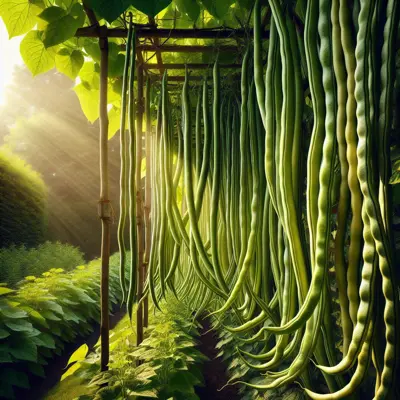
A French filet bean that produces extraordinarily long, slender pods up to 11 inches in length while maintaining tender texture and exceptional flavor. This vigorous climbing variety is beloved by gourmet gardeners for its elegant appearance and restaurant-quality taste that stays tender even at full size. Fortex offers an extended harvest window since the pods remain stringless and succulent much longer than typical varieties.
Harvest
60-70d
Days to harvest
Sun
Full sun
Zones
2–11
USDA hardiness
Difficulty
Easy to Moderate
Planting Timeline
Showing dates for Fortex Pole Bean in USDA Zone 7
All Zone 7 bean →Zone Map
Click a state to update dates
Fortex Pole Bean · Zones 2–11
Growing Details
Succession Planting
Direct sow Fortex every 14–21 days from your last frost date through early July in zone 7 (roughly April 1 through July 4). Each planting concentrates its harvest into a 10–14 day window, so staggering keeps pods coming steadily rather than all at once. Stop sowing once daytime highs are consistently above 90°F — blossoms drop in that heat and pod set falls apart. UGA's Vegetable Garden Calendar suggests a third planting in May, which fits this cadence well; a late-June sowing is usually the last practical one before summer shuts things down.
Once plants start vining, get them onto the trellis immediately — UGA Extension specifically notes that pole beans attach more readily when guided before they begin running hard. Miss that window by even a week and you're untangling stems and redistributing plants that have already decided where they want to go.
Complete Growing Guide
Fortex pole beans are best started by direct sowing seeds into the garden after all danger of frost has passed and soil temperatures reach at least 60°F, ideally 70°F or warmer. Unlike some varieties that benefit from an indoor head start, Fortex germinates reliably outdoors and establishes vigorous vines quickly when direct seeded. Plant seeds about one inch deep, spacing them four to six inches apart along your trellis or support structure. Thin seedlings to eight inches apart once they've developed their first true leaves, as this variety's vigorous growth habit demands adequate air circulation to minimize disease pressure later in the season.
Prepare your planting area with well-draining soil enriched with compost or aged manure. Fortex performs best in slightly acidic to neutral soil with a pH between 6.0 and 7.0. Since these beans will climb aggressively and produce heavy yields for two to three months, install sturdy trellising, poles, or netting before planting. This French filet variety grows four to six feet tall and produces long pods that hang gracefully from the vines, so vertical support makes harvesting those prized eleven-inch pods much easier.
Water consistently throughout the growing season, providing about one inch per week through rainfall or irrigation. Keep moisture levels even, especially during flowering and pod development, as inconsistent watering can cause blossom drop and reduce your harvest window. Once plants are established and flowering, feed every three weeks with a balanced fertilizer or one slightly lower in nitrogen to encourage continued blooming rather than excessive foliage. Over-feeding with nitrogen produces lush vines at the expense of pod production.
Fortex is particularly susceptible to Mexican bean beetles, which can decimate foliage rapidly. Scout plants twice weekly starting at bloom time, hand-picking beetles and their yellow egg clusters from leaf undersides. Aphids and thrips also favor pole beans; spray with insecticidal soap if populations explode. Watch vigilantly for bacterial blight and anthracnose, especially during wet springs or periods of high humidity. These fungal and bacterial diseases spread quickly on Fortex's dense vine growth. Improve air circulation through proper spacing, avoid overhead watering in late afternoon, and remove any spotted or yellowing leaves immediately. Powdery mildew can appear mid-season; spray with sulfur or a fungicide suitable for food crops if needed.
The defining characteristic many gardeners overlook is that Fortex requires consistent, patient harvesting to maintain quality and production. Pick pods when they reach six to eight inches long, before they become overly mature, even though their tender nature means they'll stay edible longer than standard varieties. Frequent harvesting signals the plant to continue flowering and producing rather than shifting energy toward seed maturation. Skip just two or three harvests, and productivity drops noticeably. Regular picking keeps this variety performing at its gourmet best throughout the entire season.
Harvesting
Harvest Fortex pole beans when pods reach 6 to 8 inches in length and display a bright green color with a slight glossy sheen, as they maintain their tender, stringless quality at this stage rather than waiting until full maturity at 11 inches. Gently feel the pods—they should snap crisply when bent and show no visible bulging seeds beneath the skin. Employ continuous harvesting by picking pods every 2 to 3 days rather than waiting for a single mature harvest, which encourages the plant to produce more flowers and extend your season considerably. A critical timing tip: harvest in the early morning after dew dries but before afternoon heat, as pods are most brittle and flavorful at this time, and the plant's vigor remains highest for continued production.
The boat-shaped seed pods are bilaterally symmetrical and can be green, yellow, white, or purple at maturity. There is a wide variety of color and shape choices among cultivars.
Color: Gold/Yellow, Green, Purple/Lavender, White. Type: Legume. Length: > 3 inches. Width: < 1 inch.
Garden value: Edible, Good Dried
Harvest time: Fall, Summer
Storage & Preservation
Store fresh Fortex beans unwashed in perforated plastic bags in the refrigerator crisper drawer, where they'll maintain quality for 7-10 days. These delicate filet beans lose texture quickly at room temperature, so refrigerate immediately after harvest.
For freezing, blanch whole pods in boiling water for 3 minutes, then plunge into ice water before patting dry and freezing in portions. Fortex's tender texture makes it ideal for freezing since it retains more of its original quality than tougher varieties.
These gourmet beans shine when pickled using a light vinegar brine with herbs like tarragon or dill – their length makes them perfect for packing in tall jars. Due to their delicate nature and low fiber content, Fortex beans aren't ideal for drying but excel in quick fermentation for adding to kimchi or other fermented vegetables.
History & Origin
Fortex is a French filet bean variety that emerged from the European tradition of breeding slender, tender pod beans prized for fine cuisine. While comprehensive breeder documentation and introduction year are not widely available in English-language seed literature, Fortex belongs to the lineage of classic French haricot vert and filet bean programs that developed during the twentieth century. The variety reflects decades of European selection for extended pod length combined with sustained tenderness and stringlessness—characteristics that distinguish French market garden beans from broader commercial pole bean breeding. Fortex likely represents either a French seed company introduction or a selection maintained within European heirloom bean traditions, though specific provenance details remain difficult to verify in standard horticultural records.
Origin: Tropical America
Advantages
- +Extraordinarily long pods up to 11 inches provide impressive yields per plant.
- +Remains stringless and tender even at full maturity, unlike many pole beans.
- +Extended harvest window reduces need for frequent picking and replanting.
- +Exceptional French filet flavor rivals restaurant-quality beans for gourmet gardeners.
- +Vigorous climbing habit maximizes vertical space in small garden areas.
Considerations
- -Susceptible to bacterial blight and anthracnose in humid or wet conditions.
- -Requires sturdy trellising support due to vigorous climbing and pod weight.
- -Vulnerable to Mexican bean beetles and aphids requiring regular pest monitoring.
- -Needs consistent moisture and warm temperatures; difficult in cool short seasons.
Companion Plants
Corn, summer squash, and beans form the Three Sisters combination for practical reasons: corn gives Fortex something to climb without a separate trellis structure, squash shades the soil and slows moisture loss (beans need a steady 1–1.5 inches per week), and the beans return the favor by fixing atmospheric nitrogen through Rhizobium bacteria on their roots. Carrots and radishes work well nearby because their roots run at a different depth and don't compete directly; radishes in particular draw aphids away from the bean foliage, acting as a sacrificial trap crop. Marigolds (Tagetes spp.) and nasturtiums at the bed edge add scent-based disruption that confuses Mexican bean beetles and aphids — two pests NC State Extension specifically flags for pole beans.
Alliums — onions, garlic, all of them — belong on the other side of the garden. The sulfur compounds they release inhibit Rhizobium bacteria in the soil, which shuts down the nitrogen-fixing partnership that makes growing beans worthwhile in the first place. Sunflowers are a separate problem: they're aggressive competitors for water at the root zone, and they host thrips, another pest on NC State's pole bean watch list. Not worth parking them anywhere near a Fortex planting.
Plant Together
Corn
Provides natural trellis support while beans fix nitrogen in soil for corn
Summer Squash
Large leaves provide ground cover and moisture retention, completes the Three Sisters planting
Carrots
Beans fix nitrogen that carrots need, while carrots don't compete for same soil space
Radishes
Help break up soil for bean root development and mature quickly before beans need full space
Marigolds
Repel Mexican bean beetles and other harmful insects that attack beans
Nasturtiums
Act as trap crop for aphids and cucumber beetles, protecting beans from pest damage
Catnip
Deters flea beetles and other pests that commonly damage bean plants
Rosemary
Repels bean beetles and carrot flies while attracting beneficial pollinators
Keep Apart
Onions
Can stunt bean growth and reduce yields through allelopathic compounds
Garlic
Inhibits bean growth and nitrogen fixation through root secretions
Sunflowers
Compete heavily for nutrients and can shade beans, reducing photosynthesis and pod production
Nutrition Facts
Per 100g serving. % Daily Value based on 2,000 calorie diet. Source: USDA FoodData Central (FDC #2346400)
Pests & Disease Resistance
Resistance
Good resistance to common bean mosaic virus and bean yellow mosaic virus
Common Pests
Mexican bean beetle, aphids, thrips
Diseases
Bacterial blight, anthracnose, powdery mildew
Troubleshooting Fortex Pole Bean
What you'll see, why it happens, and what to do about it.
Leaves with ragged chunks missing, skeletonized patches, or visible yellow-and-black spotted beetles on the foliage around week 7
Likely Causes
- Mexican bean beetle (Epilachna varivestis) — larvae and adults both feed on leaf tissue from the underside
- Bean leaf beetle (Cerotoma trifurcata) — chews clean holes through leaves
What to Do
- 1.Check the undersides of leaves for yellow egg clusters and crush them by hand before they hatch
- 2.Pick off adult beetles in the morning when they're sluggish and drop them into soapy water
- 3.If pressure is heavy, apply spinosad or neem oil on a 7-day cycle — coat leaf undersides thoroughly
Water-soaked spots on leaves or pods that turn brown and papery, sometimes with a yellow halo; plants about 4–6 weeks old
Likely Causes
- Bacterial blight (Pseudomonas syringae pv. phaseolicola or Xanthomonas axonopodis pv. phaseoli) — spreads fast in wet, humid conditions
- Overhead irrigation or rain splash carrying bacteria from soil or infected debris
What to Do
- 1.Switch to drip or soaker-hose irrigation — keeping water off the foliage cuts transmission significantly
- 2.Remove and bag (don't compost) any heavily infected leaves or plants
- 3.Don't work in the bed when foliage is wet; you'll move the bacteria plant to plant on your hands and tools
- 4.Rotate out of this bed for at least 2 seasons — NC State Extension's IPM case study on pole beans points directly to multi-year same-spot planting as a setup for this kind of buildup
Dark, sunken lesions with salmon-pink or rust-colored centers on pods; similar spots on leaves and stems
Likely Causes
- Anthracnose (Colletotrichum lindemuthianum) — fungal, seed-borne and soil-borne, spreads by rain splash
- Prolonged wet weather during pod set
What to Do
- 1.Pull and discard infected pods and plant material — don't let them sit on the soil surface
- 2.Start with certified disease-free seed next season; sourcing clean Fortex seed is the first practical line of defense against seed-borne strains
- 3.Apply a copper-based fungicide at first sign of lesions; repeat every 7–10 days during wet stretches
White powdery coating on upper leaf surfaces, usually appearing mid-to-late season when nights cool down
Likely Causes
- Powdery mildew (Erysiphe polygoni) — airborne spores thrive in warm days combined with cool, dry nights
- Poor airflow from crowded planting or an overgrown trellis
What to Do
- 1.Maintain at least 6-inch spacing between plants and clear dead growth off the trellis so air moves through
- 2.Apply potassium bicarbonate or diluted neem oil (1–2 tablespoons per gallon of water) at first signs, weekly until symptoms stop spreading
- 3.Fortex is a late-season producer, so catching this early — around day 50–55 — can protect several more weeks of harvest
Frequently Asked Questions
How long does Fortex pole bean take to grow from seed to harvest?▼
Can you grow Fortex pole beans in containers?▼
What does Fortex pole bean taste like compared to regular green beans?▼
Is Fortex pole bean good for beginner gardeners?▼
When should I plant Fortex pole bean seeds?▼
How tall do Fortex pole bean plants grow and what support do they need?▼
Zone-by-Zone Planting Calendar
| Zone | Indoor Start | Transplant | Direct Sow | Harvest |
|---|---|---|---|---|
| Zone 1 | — | — | July – August | October – August |
| Zone 2 | — | — | June – August | September – September |
| Zone 11 | — | — | January – March | April – June |
| Zone 12 | — | — | January – March | April – June |
| Zone 13 | — | — | January – March | April – June |
| Zone 3 | — | — | June – July | September – October |
| Zone 4 | — | — | June – July | August – October |
| Zone 5 | — | — | May – June | August – October |
| Zone 6 | — | — | May – June | August – September |
| Zone 7 | — | — | April – June | July – September |
| Zone 8 | — | — | April – May | July – August |
| Zone 9 | — | — | March – April | June – July |
| Zone 10 | — | — | February – April | May – July |
Growing Guides from Wind River Greens
Sources & References
External authority sources used in compiling this guide.
See the Methodology page for how this data is sourced, what's AI-assisted, and known limitations.