Flambo
Phaseolus vulgaris
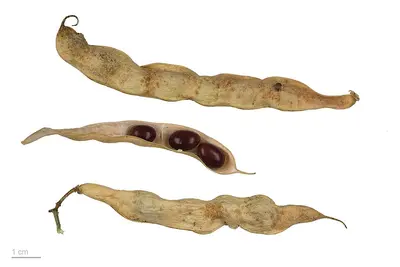
Pods avg. 5 1/2" and contain attractive, specked beans. For shell beans, harvest when pods turn dark red with a yellow background. Flambo is excellent fresh, frozen, or canned. Also makes a fine dry bean. Bush bean.
Harvest
75d
Days to harvest
Sun
Full sun
Zones
2–11
USDA hardiness
Height
12-18 inches
Planting Timeline
Showing dates for Flambo in USDA Zone 7
All Zone 7 bean →Zone Map
Click a state to update dates
Flambo · Zones 2–11
Growing Details
Succession Planting
Direct sow Flambo every 14 to 16 days starting around April 1 in zone 7, and keep going through early June — that gets you two or three plantings before summer heat peaks. Stop once daytime highs are consistently hitting 90°F; bean flowers abort without setting pods at that temperature, and you'll just burn through seed. A late-May sowing should finish up in mid-August, which is about as far as you want to push a summer planting in Georgia.
A fall run is worth attempting. Direct sow around August 1 to August 15, counting back 75 days from your first frost date — typically mid-November in zone 7. That window is tight but workable, and fall plantings tend to dodge the worst of the Mexican bean beetle pressure that hammers summer crops.
Complete Growing Guide
Flambo beans thrive when direct sown into warm soil after your last frost date has passed, as seeds will rot in cold, wet conditions. These bush beans have no advantage to indoor starting, so wait until soil temperatures reach at least 60°F (ideally 70°F or warmer) before planting. In most regions, this means sowing in late spring. Direct sow seeds one inch deep and about two inches apart in rows spaced 18 to 24 inches apart. Because Flambo reaches maturity in just 75 days, you can succession plant every two to three weeks until mid-summer to ensure continuous harvests through fall.
Prepare your garden bed with well-draining soil enriched with compost or aged manure worked into the top six inches. Flambo prefers slightly acidic to neutral soil with a pH between 6.0 and 7.0. Full sun exposure is essential—aim for at least six to eight hours of direct sunlight daily for robust plant growth and good pod production. Once seedlings emerge and develop their first true leaves, thin them to four to six inches apart to allow adequate air circulation, which helps prevent fungal issues.
Water consistently throughout the growing season, providing about one inch of water per week through rainfall or irrigation. Water at soil level rather than overhead to keep foliage dry. During flowering and pod development, maintain steady moisture without waterlogging. Feed Flambo lightly; beans fix their own nitrogen, so avoid high-nitrogen fertilizers that encourage excessive foliage at the expense of pods. A light application of balanced fertilizer when plants begin flowering is sufficient.
The Flambo variety shows particular susceptibility to bean beetles, which can devastate the attractive speckled beans if left unchecked. Scout plants frequently starting when they're young, removing beetle clusters and yellow egg masses by hand. Row covers during early growth stages provide excellent protection. Watch also for spider mites during hot, dry spells, as this variety can suffer from infestations when stressed by drought.
As a bush bean, Flambo requires no trellising or pruning—it naturally forms a compact, self-supporting plant. This makes it ideal for containers or small spaces. Simply let the plant grow naturally and focus on regular harvesting to encourage continued production. Pick pods when they reach the attractive dark red stage with yellow backgrounds if you're harvesting for shell beans; the speckled beans inside are at peak flavor and texture at this point.
One critical mistake gardeners make with Flambo is harvesting too late, waiting for pods to fully dry on the plant. While Flambo does make an excellent dry bean, this approach sacrifices the superior quality of fresh-harvested shell beans. For the best eating experience, harvest at the pod color change stage and shell the fresh beans—you'll discover why this variety is prized for its tender, flavorful beans in all forms.
Harvesting
Flambo reaches harvest at 75 shell; 95 dry from sowing per Johnny's Selected Seeds. Expect 5 1/2" at peak. As an annual, harvest continues until frost ends the season.
The boat-shaped seed pods are bilaterally symmetrical and can be green, yellow, white, or purple at maturity. There is a wide variety of color and shape choices among cultivars.
Color: Gold/Yellow, Green, Purple/Lavender, White. Type: Legume. Length: > 3 inches. Width: < 1 inch.
Garden value: Edible, Good Dried
Harvest time: Fall, Summer
Storage & Preservation
Flambo beans keep best in a cool, humid environment between 45–50°F with 85–90% relative humidity; store in breathable containers or perforated bags rather than sealed ones to prevent moisture buildup and mold. Fresh pods maintain quality for 7–10 days under these conditions, though they'll gradually lose tenderness and sweetness after day five. For longer preservation, freezing works exceptionally well: blanch whole pods for 3 minutes, chill in ice water, drain thoroughly, then pack in freezer bags for up to eight months. Canning is viable for mature, dried beans using standard pressure-canning methods at 10 PSI for pints. Drying is also practical—allow pods to fully mature on the plant, shell, and air-dry in a warm location until beans are completely hard, then store in airtight containers. Flambo's flat, tender pods are particularly suited to quick-freeze methods that preserve their characteristic mild flavor and firm texture better than slow-thaw methods.
History & Origin
Flambo is open-pollinated, meaning seed saved from healthy plants will produce true-to-type offspring. Listed in the Johnny's Selected Seeds catalog.
Origin: Tropical America
Advantages
- +Visually attractive speckled beans make Flambo appealing for fresh display
- +Versatile harvest options work fresh, frozen, canned, or dried
- +Quick 75-day maturity allows multiple plantings in one season
- +Easy bush variety requires minimal space and no trellising support
- +Shell bean stage clearly visible when pods turn dark red
Considerations
- -Specked bean pattern may deter buyers preferring uniform solid colors
- -Bush growth habit produces lower total yields than pole varieties
- -Red pod coloring can mask overmaturity if harvested infrequently
Companion Plants
The Three Sisters combination — corn, beans, squash — has Flambo doing real structural work: the corn acts as a trellis, Flambo's roots fix atmospheric nitrogen via Rhizobium bacteria (which feeds the corn), and squash leaves shade the soil enough to hold moisture and crowd out weeds. French marigolds (Tagetes patula) tucked at the row ends won't eliminate bean beetles, but they do reduce pressure measurably and cost almost nothing to maintain. Around here in zone 7 Georgia, summer savory is worth planting alongside beans — it pulls double duty as a harvest crop and has a documented history of deterring bean aphids. Keep alliums out entirely: onions and garlic produce sulfur compounds that suppress Phaseolus root development at germination, and that's not a theoretical concern — it shows up reliably enough that it's not worth testing.
Plant Together
Marigold
Repels bean beetles, aphids, and nematodes while attracting beneficial insects
Corn
Provides natural pole support for climbing beans in Three Sisters planting
Squash
Ground cover reduces weeds and retains soil moisture for bean roots
Carrots
Loosen soil for bean root development and don't compete for nutrients
Cucumber
Compatible growth habits and beans provide nitrogen that cucumbers utilize
Nasturtium
Trap crop for aphids and cucumber beetles, protects beans from pest damage
Radish
Quick-growing crop that breaks up soil and deters bean root fly
Summer Savory
Repels bean weevils and may improve bean flavor when planted nearby
Keep Apart
Onions
Can inhibit bean growth and nitrogen fixation through root secretions
Garlic
Allelopathic compounds can stunt bean development and reduce yields
Fennel
Releases growth-inhibiting chemicals that negatively affect bean germination and growth
Nutrition Facts
Per 100g serving. % Daily Value based on 2,000 calorie diet. Source: USDA FoodData Central (FDC #2346400)
Pests & Disease Resistance
Common Pests
Bean beetles, spider mites, aphids
Diseases
Bean rust, anthracnose, powdery mildew
Troubleshooting Flambo
What you'll see, why it happens, and what to do about it.
Leaves with ragged chunks missing, irregular holes chewed through the blade — noticed around week 5 to 7
Likely Causes
- Mexican bean beetle (Epilachna varivestis) — larvae and adults both feed on leaf tissue, skeletonizing from the underside
- Japanese beetle (Popillia japonica) — congregates and feeds in groups, especially in hot weather
What to Do
- 1.Hand-pick egg clusters (yellow, football-shaped, on leaf undersides) and drop them in soapy water
- 2.Spray neem oil or spinosad early morning before beneficials are active — repeat every 7 days
- 3.Row cover at planting prevents adults from reaching the crop; remove at flowering so pollinators can get in
Rusty orange or brown pustules on leaf undersides, with yellow halos showing on the upper surface
Likely Causes
- Bean rust (Uromyces appendiculatus) — airborne spores spread fast in humid conditions above 60°F
- Planting beans in the same bed for multiple consecutive seasons, letting spore loads build in the debris
What to Do
- 1.Strip and bag infected leaves immediately — don't compost them, rust spreads fast once it's moving
- 2.Apply a sulfur-based fungicide on a 7–10 day schedule if caught early
- 3.NC State Extension's IPM guidance is clear on crop rotation: Flambo shouldn't go back into the same bed for at least 2 seasons
Dark, sunken oval lesions on pods and stems; sometimes a salmon-pink spore mass sitting in the center of the lesion
Likely Causes
- Anthracnose (Colletotrichum lindemuthianum) — seed-borne and soil-borne fungus that spreads fast in wet, cool conditions between 55–65°F
- Overhead irrigation or heavy rain splashing spores from soil or old debris onto lower tissue
What to Do
- 1.Start with certified disease-free seed — anthracnose travels on the seed coat, and cheap bulk seed is a real liability
- 2.Switch to drip or soaker hose irrigation; NC State Extension case studies consistently flag wet foliage as the primary transmission route
- 3.Clear out all bean debris at season end — don't leave it in the bed over winter
White powdery coating on upper leaf surfaces, usually appearing late in the season as nights get humid and temperatures drop
Likely Causes
- Powdery mildew (Erysiphe polygoni) — unlike most fungal diseases, this one favors dry days paired with humid nights, which is a common pattern in Georgia's late summer and early fall
- Dense planting that cuts off airflow through the canopy
What to Do
- 1.Thin plants to the recommended 4–6 inch spacing from the start; crowded rows are where this gets out of hand first
- 2.Spray potassium bicarbonate solution (1 tablespoon per gallon of water) on affected foliage and repeat every 7 days
- 3.Flambo finishes at 75 days — if mildew hits late, you're better off pulling the remaining pods and yanking the plants than running a full spray program on a crop that's nearly done
Frequently Asked Questions
How long does it take for Flambo beans to mature?▼
Is Flambo a good bean variety for beginners?▼
Can you grow Flambo beans in containers?▼
What does Flambo bean taste like and how can you use it?▼
When should I plant Flambo beans?▼
Do Flambo beans need full sun to grow well?▼
Zone-by-Zone Planting Calendar
| Zone | Indoor Start | Transplant | Direct Sow | Harvest |
|---|---|---|---|---|
| Zone 3 | — | — | June – July | September – October |
| Zone 4 | — | — | June – July | September – October |
| Zone 5 | — | — | May – June | August – October |
| Zone 6 | — | — | May – June | August – October |
| Zone 7 | — | — | April – June | August – September |
| Zone 8 | — | — | April – May | July – September |
| Zone 9 | — | — | March – April | June – August |
| Zone 10 | — | — | February – April | June – July |
| Zone 1 | — | — | July – August | October – August |
| Zone 2 | — | — | June – August | October – September |
| Zone 11 | — | — | January – March | May – June |
| Zone 12 | — | — | January – March | May – June |
| Zone 13 | — | — | January – March | May – June |
Growing Guides from Wind River Greens
Sources & References
External authority sources used in compiling this guide.
- ExtensionNC State Extension
- BreederJohnny's Selected Seeds
- USDAUSDA FoodData Central
See the Methodology page for how this data is sourced, what's AI-assisted, and known limitations.