Dragon Tongue
Phaseolus vulgaris 'Dragon Tongue'
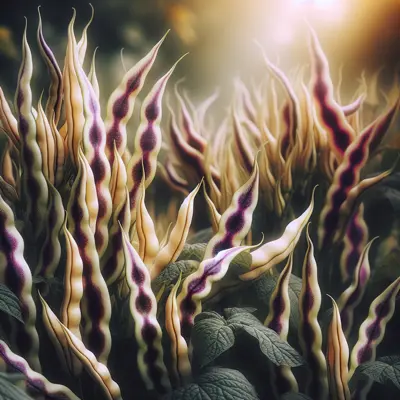
A stunning Dutch heirloom that transforms any garden into a conversation piece with its cream-colored pods dramatically streaked with purple flames. Beyond their striking appearance, these beans offer exceptional flavor when harvested young as snap beans, with a tender texture and sweet, nutty taste that's perfect fresh or lightly cooked. The purple markings fade when cooked, but the superior flavor remains.
Harvest
60-70d
Days to harvest
Sun
Full sun
Zones
2–11
USDA hardiness
Difficulty
Easy to Moderate
Planting Timeline
Showing dates for Dragon Tongue in USDA Zone 7
All Zone 7 bean →Zone Map
Click a state to update dates
Dragon Tongue · Zones 2–11
Growing Details
Succession Planting
Direct sow Dragon Tongue every 14–18 days from April 1 through June 15 in zone 7. The UGA Vegetable Garden Calendar flags May as the window for a third planting of snap beans, which lines up well — that third sowing hits harvest around late July before the worst heat arrives. Stop sowing once daytime highs are running consistently above 90°F; blossoms drop in that range and pod set falls apart.
Each planting only needs 60–70 days to finish, so a late-May sowing clears by early August with time to follow with a fall brassica or cover crop. Pull weeds between sowings — UGA Extension specifically calls out grass and weed competition for moisture and fertility during Georgia's dry summer stretches, and beans that go into water stress during the 10 days around flowering produce stringy, undersized pods.
Complete Growing Guide
Dragon Tongue beans are best direct sown into the garden rather than started indoors, as they dislike transplanting and establish quickly in warm soil. Wait until two to three weeks after your last spring frost, when soil temperatures have reached at least 60°F (ideally 70°F or warmer). Plant seeds one inch deep, spaced four to six inches apart in rows eighteen inches apart. These beans appreciate rich, well-draining soil with a pH between 6.0 and 7.0, so work in compost or aged manure before planting to support vigorous growth and abundant pod production. While Dragon Tongue can tolerate slightly less-than-ideal soil, generous organic matter will reward you with more prolific plants and better-quality beans.
Water deeply and consistently throughout the season, providing about one inch per week through rainfall or irrigation. Beans are sensitive to overwatering and soggy conditions, so allow the soil to dry slightly between waterings. Once plants flower, maintain even moisture to prevent pod drop. These vining bush beans don't require heavy feeding if your soil is reasonably fertile, but a balanced fertilizer applied at bloom time will support extended harvests. Avoid high-nitrogen formulas, which promote leafy growth at the expense of pods.
Dragon Tongue is particularly attractive to Mexican bean beetles, which will rapidly defoliate plants if left unchecked—scout weekly and handpick eggs and young beetles, or use spinosad spray on heavy infestations. The tender new foliage also draws slugs and snails in wet springs; copper barriers or beer traps placed around plants provide organic control. Aphids occasionally colonize shoot tips; spray with insecticidal soap if populations exceed tolerable levels.
This variety shows moderate susceptibility to bacterial blight and white mold, especially in humid conditions. Ensure good air circulation by avoiding overhead watering, which spreads spores. Water at soil level early in the day, and allow foliage to dry quickly. Remove any yellowed or spotted leaves promptly. Avoid working in the garden when plants are wet, as you can inadvertently spread disease.
Succession planting extends your harvest of these beautiful beans—sow new seeds every two to three weeks from late spring through mid-summer for continuous picking through fall. Harvest pods when they reach four to five inches long, before the purple flames fade, for the best snap-bean experience. Frequent harvesting encourages prolific flowering and keeps plants productive for weeks.
The most common mistake with Dragon Tongue is planting too early. Cool soil rots seeds before they germinate, derailing the entire crop. Wait for warm soil and you'll ensure fast, reliable germination and robust plants ready to reward you with dozens of spectacular, flavor-packed beans throughout summer.
Harvesting
Harvest Dragon Tongue beans when the pods reach four to six inches long and the cream background remains clearly visible beneath the purple streaking, as this indicates peak tenderness and flavor before the beans inside mature. Gently squeeze the pod—it should snap crisply when bent, signaling optimal snap bean stage. Practice continuous harvesting every two to three days rather than waiting for a single large picking, as regular removal encourages the plant to produce more flowers and extends your harvest window significantly. Pick in the early morning when pods are crisp and full of moisture, which preserves their exceptional sweet, nutty taste and tender texture better than afternoon harvesting.
The boat-shaped seed pods are bilaterally symmetrical and can be green, yellow, white, or purple at maturity. There is a wide variety of color and shape choices among cultivars.
Color: Gold/Yellow, Green, Purple/Lavender, White. Type: Legume. Length: > 3 inches. Width: < 1 inch.
Garden value: Edible, Good Dried
Harvest time: Fall, Summer
Storage & Preservation
Fresh Dragon Tongue beans maintain peak quality for 5-7 days when stored unwashed in perforated plastic bags in your refrigerator's crisper drawer. The purple markings fade faster at room temperature, so refrigerate promptly after harvest.
For freezing, blanch whole pods in boiling water for 2-3 minutes, then plunge into ice water. This preserves texture better than freezing raw. The purple streaks will fade during blanching, but flavor remains excellent. Properly blanched and frozen beans keep 8-10 months.
Dragon Tongue beans excel in pickled preparations—their unique appearance creates stunning refrigerator pickles that retain some purple coloring in acidic solutions. Use a basic vinegar brine with dill and garlic within 24 hours of harvest for best results. For long-term storage, these beans can pressure-safely following tested canning recipes for green beans, though the distinctive purple markings won't survive the high-heat processing.
History & Origin
This Dutch heirloom variety emerged from traditional European bean breeding practices, though precise documentation of its breeder and introduction year remains sparse. Dragon Tongue belongs to the lineage of European shell and snap beans that were selectively developed for ornamental pod markings and culinary quality throughout the twentieth century. The variety likely arose from intentional crosses within Dutch seed-growing regions known for heirloom preservation and vegetable innovation. Its appearance and characteristics align with other European variegated bean selections developed during the mid-1900s, though the specific breeding program or seed house responsible for stabilizing this particular cultivar has not been definitively recorded in readily accessible historical sources.
Origin: Tropical America
Advantages
- +Stunning purple-streaked pods create an eye-catching, conversation-starting garden display
- +Sweet and nutty flavor excels fresh or lightly cooked as snap beans
- +Relatively quick 60-70 day maturity fits well into most growing seasons
- +Easy to moderate difficulty makes this heirloom accessible to most gardeners
Considerations
- -Susceptible to bacterial blight, white mold, and anthracnose fungal diseases
- -Bean beetles and slugs are particularly attracted to tender Dragon Tongue foliage
- -Purple markings disappear during cooking, reducing visual appeal of cooked dishes
Companion Plants
Marigolds planted at 12-inch intervals along the row pull double duty: their root secretions suppress soil nematodes, and the blooms draw in predatory wasps that keep aphid numbers in check without any spray. Corn is useful as a structural neighbor — Dragon Tongue can lean loosely against the stalks, and since beans fix their own nitrogen through Rhizobium bacteria, the two crops don't fight each other for fertility the way heavy feeders would. Radishes tucked in at the row ends germinate in 5–7 days and seem to break up the scent trail that bean leaf beetles (Cerotoma trifurcata) use to zero in on tender foliage.
Skip the onions and garlic. Alliums release sulfur compounds that inhibit the Rhizobium bacteria on bean roots — the same bacteria doing the nitrogen-fixing work you planted legumes for. In our zone 7 Georgia clay, where root stress is already a factor through the dry months, adding an allelopathic neighbor next door is a bad trade. Fennel has the same problem on a broader scale; it suppresses nearly everything around it and belongs in its own isolated corner of the garden, not in a production bed.
Plant Together
Marigold
Repels bean beetles, aphids, and nematodes while attracting beneficial insects
Basil
Repels aphids, thrips, and spider mites that commonly attack beans
Corn
Provides natural support structure for climbing beans and benefits from nitrogen fixation
Summer Squash
Large leaves provide ground cover, retaining moisture and suppressing weeds
Nasturtium
Acts as trap crop for aphids and cucumber beetles while attracting predatory insects
Rosemary
Repels bean beetles, carrot flies, and other harmful insects with strong aromatic oils
Radish
Breaks up compacted soil and deters bean root fly larvae
Catnip
Repels aphids, ants, and flea beetles that damage bean plants
Keep Apart
Onion
Inhibits bean growth and nitrogen fixation through root secretions
Garlic
Stunts bean development and interferes with beneficial rhizobia bacteria
Fennel
Releases allelopathic compounds that inhibit bean germination and growth
Nutrition Facts
Per 100g serving. % Daily Value based on 2,000 calorie diet. Source: USDA FoodData Central (FDC #2346400)
Pests & Disease Resistance
Resistance
Moderate disease resistance, sensitive to wet conditions
Common Pests
Bean beetles, slugs (attracted to tender foliage), aphids
Diseases
Bacterial blight, white mold, anthracnose
Troubleshooting Dragon Tongue
What you'll see, why it happens, and what to do about it.
Leaves with irregular chunks missing, ragged edges on young foliage, sometimes with slime trails in the morning
Likely Causes
- Slug feeding — especially bad in wet stretches or under dense mulch
- Bean leaf beetle (Cerotoma trifurcata) chewing holes through leaf tissue
What to Do
- 1.Set out shallow traps (tuna cans filled with beer) near the base of plants overnight to catch slugs
- 2.Scatter food-grade diatomaceous earth around the soil line — reapply after rain
- 3.Hand-pick bean leaf beetles in the morning when they're sluggish; drop them in soapy water
Leaves browning and wilting on roughly half the planting, plants about 7 weeks old, no obvious insect present
Likely Causes
- Bacterial blight (Pseudomonas syringae pv. phaseolicola or Xanthomonas axonopodis) — spreads in wet, warm conditions and via tool contact
- Planting in the same bed for 5+ consecutive years without rotation, allowing pathogen load to build
What to Do
- 1.Pull and bag (don't compost) any severely affected plants to reduce spread
- 2.Rotate Dragon Tongue out of this bed for at least 2 seasons — NC State Extension notes that rotating legumes through a plot also replenishes nitrogen via root bacteria, so you gain either way
- 3.Switch to drip or soaker hose to keep foliage dry; overhead irrigation keeps leaf surfaces wet long enough for bacterial spread
Olive-green, square-shaped insects clustered on stems and pods, strong foul smell when disturbed
Likely Causes
- Green stink bug (Chinavia hilaris) or brown marmorated stink bug (Halyomorpha halys) — both aggregate in warm summer months and pierce pods to feed, leaving dimpled, discolored patches
What to Do
- 1.Knock adults into a bucket of soapy water early in the morning — they move slowly below 70°F
- 2.Check the undersides of leaves for bronze, barrel-shaped egg masses and crush them before they hatch
- 3.Row cover before pod set can exclude adults; pull it once you start harvesting
Tan to dark-brown sunken lesions on pods, sometimes with pink or salmon-colored spore masses in the center
Likely Causes
- Anthracnose (Colletotrichum lindemuthianum) — a fungal disease that overwinters in infected seed and soil debris, worse in cool, wet weather
What to Do
- 1.Start with certified disease-free seed next season; anthracnose travels readily on saved seed
- 2.Remove and trash (not compost) infected pods and leaves as soon as you spot them
- 3.Space plants to the full 6 inches and orient rows to catch prevailing airflow — dense plantings hold moisture and give this fungus exactly what it wants
Frequently Asked Questions
How long do Dragon Tongue beans take to grow?▼
Are Dragon Tongue beans good for beginners?▼
Can you grow Dragon Tongue beans in containers?▼
What do Dragon Tongue beans taste like?▼
When should I plant Dragon Tongue bean seeds?▼
Do Dragon Tongue beans lose their purple color when cooked?▼
Zone-by-Zone Planting Calendar
| Zone | Indoor Start | Transplant | Direct Sow | Harvest |
|---|---|---|---|---|
| Zone 1 | — | — | July – August | October – August |
| Zone 2 | — | — | June – August | September – September |
| Zone 11 | — | — | January – March | April – June |
| Zone 12 | — | — | January – March | April – June |
| Zone 13 | — | — | January – March | April – June |
| Zone 3 | — | — | June – July | September – October |
| Zone 4 | — | — | June – July | August – October |
| Zone 5 | — | — | May – June | August – October |
| Zone 6 | — | — | May – June | August – September |
| Zone 7 | — | — | April – June | July – September |
| Zone 8 | — | — | April – May | July – August |
| Zone 9 | — | — | March – April | June – July |
| Zone 10 | — | — | February – April | May – July |
Growing Guides from Wind River Greens
Sources & References
External authority sources used in compiling this guide.
See the Methodology page for how this data is sourced, what's AI-assisted, and known limitations.