Cherokee Purple Pod Bean
Phaseolus vulgaris 'Cherokee Purple Pod'
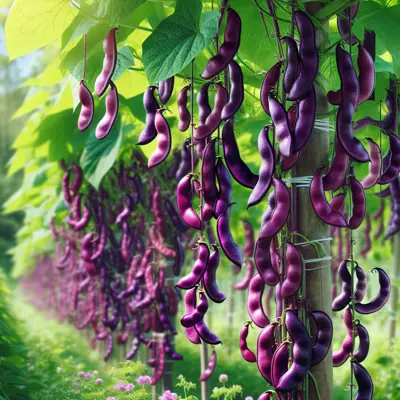
A stunning heirloom pole bean that produces gorgeous deep purple pods on vigorous vines, creating an eye-catching display in any garden. Beyond their ornamental value, these beans offer excellent flavor and turn green when cooked, making them both beautiful and delicious. This Cherokee Nation variety represents centuries of careful seed saving and cultural heritage.
Harvest
65-70d
Days to harvest
Sun
Full sun
Zones
2–11
USDA hardiness
Difficulty
Easy
Planting Timeline
Showing dates for Cherokee Purple Pod Bean in USDA Zone 7
All Zone 7 bean →Zone Map
Click a state to update dates
Cherokee Purple Pod Bean · Zones 2–11
Growing Details
Succession Planting
Direct sow Cherokee Purple Pod beans every 14-16 days starting around April 1 in zone 7, and keep going through mid-June. The UGA Vegetable Garden Calendar supports a third planting in May for snap beans, so don't stop at two rounds. At 65-70 days to harvest, a mid-June sowing should finish before hard frost — but don't push past that, because pod set drops off sharply once nights stay above 75°F.
If you want a fall run, count back 70 days from your first expected frost (around mid-October in north Georgia) and sow in late July to early August. Soil is still warm enough for 7-14 day germination, and the plants will finish as temperatures pull back into a range beans actually like. Skip any sowing when daytime highs are already running at 90°F — you'll get vines with almost nothing on them.
Complete Growing Guide
Cherokee Purple Pod beans thrive when direct sown into warm soil after your last spring frost date. Unlike many beans, these vigorous pole varieties prefer to be seeded directly into the garden rather than started indoors, as their strong root systems establish better without transplant disturbance. Wait until soil temperatures reach at least 60°F, ideally 70°F or warmer, before sowing. Plant seeds one inch deep and four to six inches apart along sturdy trellises, stakes, or poles. Space rows at least 18 inches apart to allow adequate air circulation around the vines, which is particularly important for preventing fungal diseases on this variety.
Prepare your soil before planting by working in compost or well-rotted manure to improve drainage and fertility. Cherokee Purple Pod beans prefer slightly acidic to neutral soil with good organic matter content. Avoid nitrogen-heavy fertilizers at planting time, as excessive nitrogen encourages leafy growth over pod production. Once plants are established and flowering, feed with a balanced fertilizer every two to three weeks, or use fish emulsion to provide steady nutrients without overstimulating foliage.
Water deeply and consistently, providing about one inch per week through rainfall or irrigation. These beans are particularly susceptible to fungal diseases when foliage remains wet, so water at soil level in early morning hours rather than overhead watering. Consistent moisture is essential during flowering and pod development to prevent pod drop and ensure tender, flavorful beans.
The deep purple pods of this Cherokee Nation heirloom attract Mexican bean beetles and bean leaf beetles with particular intensity. Scout your plants every two to three days, checking both leaf surfaces and pod undersides. Hand-pick beetles and egg clusters when populations are light, dropping them into soapy water. Neem oil or organic insecticidal soap can help control aphids, which also congregate on young growth. Watch for yellowing leaves mottled with lighter patterns, indicating common bean mosaic virus; remove affected plants immediately to prevent spread. Bacterial blight causes water-soaked lesions on pods and leaves; this disease thrives in humid conditions, making proper spacing and morning-only watering essential management strategies.
The single most critical mistake gardeners make with Cherokee Purple Pod beans is planting them too early in cool soil. These vigorous growers demand warm conditions and will simply rot if planted before soil adequately warms. Cold, wet soil temperatures below 60°F virtually guarantee seed failure, making patience worthwhile. Begin harvesting tender pods at 65 to 70 days when they're six to eight inches long and still bright purple; young pods offer superior flavor and texture compared to larger, more mature specimens.
Harvesting
Harvest Cherokee Purple Pod beans when the pods reach four to six inches long and still snap cleanly when bent, before they become tough and fibrous. At peak readiness, the purple pods should feel firm yet slightly yielding to gentle pressure, with a waxy sheen indicating optimal maturity. Unlike beans bred for single harvests, this variety produces continuously throughout the season, rewarding frequent picking every two to three days. For maximum tenderness and sustained production, harvest in the early morning when pods are cool and crisp, removing mature beans promptly to encourage the plant to set new flowers and pods rather than redirect energy toward seed development.
The boat-shaped seed pods are bilaterally symmetrical and can be green, yellow, white, or purple at maturity. There is a wide variety of color and shape choices among cultivars.
Color: Gold/Yellow, Green, Purple/Lavender, White. Type: Legume. Length: > 3 inches. Width: < 1 inch.
Garden value: Edible, Good Dried
Harvest time: Fall, Summer
Storage & Preservation
Fresh Cherokee Purple Pod beans maintain best quality when refrigerated immediately after harvest. Store unwashed pods in perforated plastic bags in the refrigerator crisper drawer, where they'll stay fresh for 5-7 days. Don't wash until ready to use, as excess moisture promotes decay.
For freezing, blanch whole pods in boiling water for 3 minutes, then plunge into ice water. Drain thoroughly and pack in freezer bags – frozen beans maintain quality for 8-10 months. The purple color will fade during blanching but flavor remains excellent. For drying, allow pods to mature on the vine until they rattle, then harvest and shell the beans. Dried Cherokee Purple Pod beans store for years in sealed containers and make excellent winter soup beans with their rich, hearty flavor.
History & Origin
This heirloom bean descends from domesticated Phaseolus vulgaris varieties developed in Mesoamerica thousands of years ago, with the Cherokee Nation cultivating and selecting purple pod varieties over centuries as part of their agricultural heritage. The specific origin story and original breeder of the 'Cherokee Purple Pod' strain remain largely undocumented in academic literature, though the variety represents the broader tradition of indigenous seed saving practices among southeastern Native American tribes. Like many heirloom beans attributed to Cherokee cultivation, this variety likely emerged through generations of farmers selecting for desirable traits including pod color, yield, and flavor, preserving cultural knowledge through seed stewardship rather than formal breeding programs.
Origin: Tropical America
Advantages
- +Stunning deep purple pods provide striking visual appeal in ornamental vegetable gardens
- +Traditional mild flavor and tender texture make them excellent for fresh eating
- +Heirloom variety carries significant Cherokee cultural heritage and historical importance
- +Vigorous vines produce abundant harvests over extended 65-70 day growing season
- +Color-changing pods turn green when cooked, adding novelty to meal preparation
Considerations
- -Susceptible to multiple pests including Mexican bean beetles and bean leaf beetles
- -Vulnerable to three serious diseases: bacterial blight, anthracnose, and bean mosaic virus
- -Requires sturdy trellising support due to vigorous pole bean growth habit
- -Purple pod color makes immature beans harder to spot during harvest time
Companion Plants
Around here in the southeast, Cherokee Purple Pod beans fit naturally into a Three Sisters setup — corn gives climbing vines something to grab by the time they start running at about 2-3 weeks, squash shades the soil and suppresses weeds, and the beans return the favor by fixing nitrogen through Rhizobium bacteria in their roots. Marigolds and nasturtiums pull their weight by drawing aphids and bean beetles before those populations get large enough to matter. Summer savory has a specific reputation as a bean companion — some growers credit it with deterring bean beetles, and unlike corn or squash, it doesn't compete hard for root space in a 6-inch-spaced bed. Leave onions and garlic out entirely; alliums are thought to inhibit the same nitrogen-fixing Rhizobium bacteria that make growing a legume worthwhile in the first place.
Plant Together
Corn
Provides natural trellis for climbing beans while beans fix nitrogen for corn
Squash
Completes the Three Sisters planting, ground cover reduces weeds and retains moisture
Carrots
Beans loosen soil for carrot growth while carrots don't compete for nutrients
Radishes
Break up soil for bean roots and mature quickly before beans need full space
Marigolds
Repel Mexican bean beetles and other harmful insects
Nasturtiums
Act as trap crop for aphids and cucumber beetles
Catnip
Deters flea beetles and ants that can damage bean plants
Summer Savory
Repels bean beetles and may improve bean flavor when grown nearby
Keep Apart
Onions
Inhibit bean growth and nitrogen fixation through root secretions
Garlic
Stunts bean growth and interferes with beneficial soil bacteria
Sunflowers
Allelopathic compounds inhibit bean germination and growth
Nutrition Facts
Per 100g serving. % Daily Value based on 2,000 calorie diet. Source: USDA FoodData Central (FDC #2346400)
Pests & Disease Resistance
Resistance
Standard heirloom disease resistance, generally hardy
Common Pests
Mexican bean beetle, bean leaf beetle, aphids
Diseases
Bacterial blight, anthracnose, common bean mosaic virus
Troubleshooting Cherokee Purple Pod Bean
What you'll see, why it happens, and what to do about it.
Leaves with ragged chunks missing, sometimes a lacy skeleton left behind, starting around week 3-4
Likely Causes
- Mexican bean beetle (Epilachna varivestis) — adults and larvae both feed on leaf undersides
- Bean leaf beetle (Cerotoma trifurcata) — chews round holes through the leaf surface
What to Do
- 1.Flip leaves and hand-pick the yellow, spiny Mexican bean beetle larvae — they cluster and are slow
- 2.Row cover from germination through early bloom keeps both beetles off; remove it when flowers open so pollinators can get in
- 3.The UGA Pest Management Handbook lists labeled insecticides if populations are heavy; pyrethrin is an option for organic growers, applied in the evening to protect bees
Water-soaked spots on leaves and pods that turn brown and die, often after a wet stretch
Likely Causes
- Bacterial blight (Pseudomonas syringae pv. phaseolicola or Xanthomonas axonopodis pv. phaseoli) — spreads fast in warm, wet weather
- Working in the garden when plants are wet, which moves bacteria from plant to plant
What to Do
- 1.Switch to a soaker hose immediately — keeping foliage dry is the single most effective thing you can do
- 2.Remove and bag (do not compost) heavily infected stems and leaves
- 3.NC State Extension's diagnostic guidance notes that planting beans in the same bed year after year accelerates disease buildup; skip beans in that spot for at least 2 seasons
Dark, sunken lesions with salmon-pink spore masses on pods, or brown angular spots on leaves
Likely Causes
- Anthracnose (Colletotrichum lindemuthianum) — seed-borne and soil-borne fungus, thrives in cool, wet conditions around 65-70°F
- Infected seed carried over from a previous season
What to Do
- 1.Start with certified disease-free seed — this pathogen is seed-borne, so that's your first real line of defense
- 2.Pull and discard infected plants; spores move easily by rain splash and hand contact
- 3.Rotate out of beans for 2-3 years and avoid cultivating the bed when wet
Leaves showing mosaic yellowing, puckering, or downward curling early in the season, not matching any nutrient deficiency pattern
Likely Causes
- Common bean mosaic virus (CBMV) — spread by aphids, which NC State Extension lists as a primary pest on beans
- Aphid colonies on new growth acting as a persistent virus vector
What to Do
- 1.Check the undersides of young leaves every few days; knock aphid colonies off with a firm water spray before they get established
- 2.Pull and bag any plant showing mosaic symptoms — there's no cure once infected, and it becomes a source for the rest of the planting
- 3.A border of nasturtiums can draw aphids away from beans; if nasturtiums get heavily colonized, cut and discard those plants rather than leaving them as a reservoir
Frequently Asked Questions
How long does Cherokee Purple Pod bean take to grow?▼
Can you grow Cherokee Purple Pod beans in containers?▼
Do Cherokee Purple Pod beans really turn green when cooked?▼
Are Cherokee Purple Pod beans good for beginners?▼
When should I plant Cherokee Purple Pod beans?▼
What does Cherokee Purple Pod bean taste like?▼
Zone-by-Zone Planting Calendar
| Zone | Indoor Start | Transplant | Direct Sow | Harvest |
|---|---|---|---|---|
| Zone 1 | — | — | July – August | October – August |
| Zone 2 | — | — | June – August | September – September |
| Zone 11 | — | — | January – March | April – June |
| Zone 12 | — | — | January – March | April – June |
| Zone 13 | — | — | January – March | April – June |
| Zone 3 | — | — | June – July | September – October |
| Zone 4 | — | — | June – July | September – October |
| Zone 5 | — | — | May – June | August – October |
| Zone 6 | — | — | May – June | August – September |
| Zone 7 | — | — | April – June | July – September |
| Zone 8 | — | — | April – May | July – August |
| Zone 9 | — | — | March – April | June – July |
| Zone 10 | — | — | February – April | May – July |
Growing Guides from Wind River Greens
Sources & References
External authority sources used in compiling this guide.
See the Methodology page for how this data is sourced, what's AI-assisted, and known limitations.